
Trees
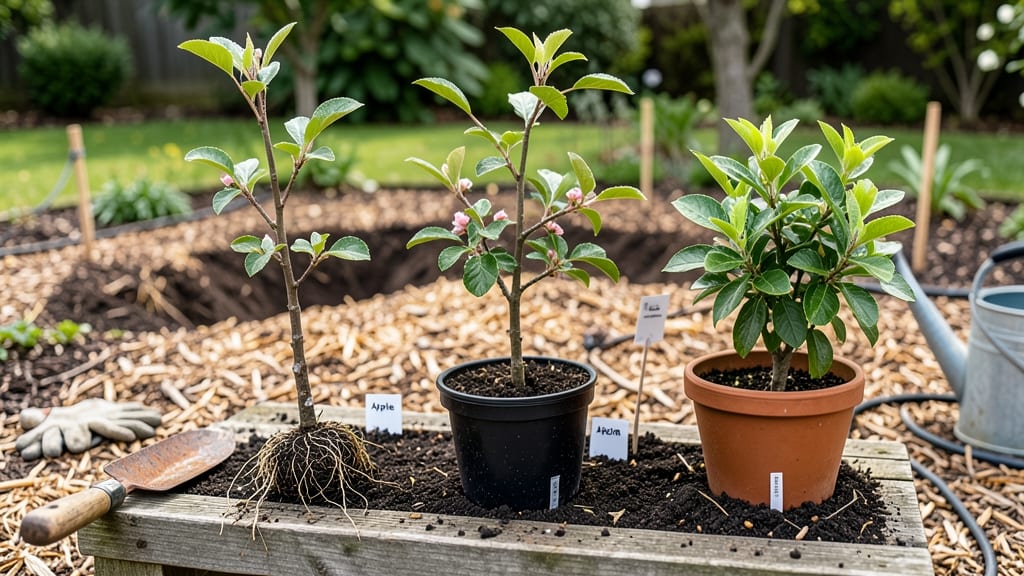
When should fruit trees be planted? The right timing ensures they establish strong roots before the heat of summer 🍎—and most gardeners miss this window entirely.
If you’ve ever watched a newly planted fruit tree struggle through summer drought or freeze in a late frost, you know how critical timing is. The difference between a thriving orchard and years of disappointment often comes down to when you put that shovel in the ground.
In Zone 6a, the best windows are early spring (before buds swell) or late fall (after leaves drop), when soil stays cool and roots can settle without stress. But regional climates—like Mediterranean vs. temperate zones—shift these deadlines dramatically.
Below, I’ll break down the exact months for your area, how to prep soil and roots for success, and the three mistakes that kill fruit trees before they even fruit.
Best planting times for fruit trees by climate Zone
Timing is everything when planting fruit trees—especially in the dormant season. Planting at the wrong time can lead to weak root establishment or even tree death.
The best window is typically 4-6 weeks before your last frost date, but this varies dramatically by USDA hardiness zone and regional climate. Whether you're in Zone 3's brutal winters or Zone 10's mild year-round growing, understanding these nuances will set your fruit trees up for success.
Most gardeners focus on early spring planting, but fall planting (especially in cooler zones) often yields stronger roots before winter dormancy. The key factors are soil temperature (ideally 40-60°F), bud dormancy, and avoiding frost-sensitive root growth.
Let’s break down the optimal planting windows by zone, including regional exceptions like Mediterranean climates where winter rains create unique opportunities.
| USDA Zone | Best Planting Window | Soil Temp (°F) | Key Considerations |
|---|---|---|---|
| Zones 3-5 (Cold Winters) | Late fall (Sept-Oct) or early spring (April-May) | 40-50°F | Plant bare-root trees in dormant season; avoid frozen ground. |
| Zones 6-8 (Temperate) | Fall (Oct-Nov) or early spring (March-April) | 50-60°F | Ideal for container-grown trees; avoid summer heat stress. |
| Zones 9-10 (Mild Winters) | Winter (Dec-Feb) or early spring (Feb-Mar) | 55-65°F | Plant ever-bearing varieties; avoid peak summer. |
| Mediterranean (Zone 9b+) | Winter rains (Jan-Feb) | 50-60°F | Leverage wet soil for root growth; avoid summer drought. |
In Zones 3-5, where winters are harsh, fall planting is often preferred because it allows roots to establish before frost sets in. For example, in Zone 4, planting in October gives roots time to harden off before winter.
Meanwhile, Zone 9-10 gardeners can plant year-round, but winter months (Dec-Feb) are ideal to avoid summer heat stress on young trees.
Regional variations matter too. In Pacific Northwest (Zone 7-8), fall planting aligns with cooler, wetter conditions, while in Southeast (Zone 8), early spring avoids humidity-related fungal risks.
Always check your last frost date—planting too early can expose roots to frost heave, while waiting too long may delay root growth.
For bare-root trees, the dormant season (when leaves are off) is critical. These trees should never be planted when active growth begins, as roots are vulnerable to transplant shock.
In contrast, container-grown trees offer more flexibility and can be planted almost year-round in mild climates, but spring or fall still yields the best results.
Soil temperature is a non-negotiable factor. Use a soil thermometer to confirm conditions—roots won’t grow well in cold, soggy soil or baking-hot ground. Aim for 40-60°F for optimal root development.
In sandy soils, which warm up faster, you might plant slightly earlier, while clay soils may require waiting until temperatures rise.
Don’t overlook microclimates—a south-facing slope in Zone 5 might warm up enough for early spring planting, while a frost pocket could delay your window. Observe your garden’s frost patterns for at least 2 years to refine your timing.
Pro tip: Plant windbreaks if your area is exposed to cold winds, which can stress young trees.
One common mistake is planting too late in spring, when bud break is imminent. This forces the tree to focus energy on leaf and fruit production instead of root establishment.
Similarly, fall planting too close to first frost can stunt root growth before winter. The 4-6 week buffer ensures roots have
Signs your fruit tree is ready for planting (and when to wait)
Timing is everything when planting fruit trees, and missing the window can leave your tree struggling to establish roots. The key is watching for natural dormancy signals—when your tree is in its resting state but not yet pushing new growth.
This usually happens in late fall or early spring, but exact timing depends on your climate zone and tree type.
For most fruit trees, like apple or peach varieties, the ideal planting time falls 4-6 weeks before your last frost date. This gives roots time to settle before spring warmth triggers new shoots.
However, bare-root trees can handle cooler temperatures better than container-grown ones, so they often get planted slightly earlier.
⚠️ callout-warning ⚠️
- Too Early: Warm soil wakes roots before buds break, causing transplant shock and weak growth.
- Too Late: New roots can't establish before winter, leaving trees vulnerable to freeze damage.
Pro Tip: Check soil temp—it should be 40-50°F (4-10°C) for optimal root growth.
One of the clearest signs your fruit tree is ready is bud dormancy. Look for tight, unopened buds that haven't swollen yet—this means the tree is still resting. If buds are plump or green, wait a few more weeks.
Another key indicator is soil moisture: the ground should be workable but not soggy, with no standing water.
For bare-root trees, check the roots—they should be moist but not mushy, with white or light tan tips. Dark, shriveled roots mean the tree has dried out and needs rehydration before planting.
If you're unsure, soak the roots in water for 1-2 hours before transplanting to revive them gently.
Don't overlook the weather forecast either. Aim to plant when frost is no longer predicted for at least 2 weeks, but before consistent daytime temps above 60°F (15°C).
In warmer climates like Zone 9-10, you might plant in late winter to avoid summer heat stress. Always verify your last frost date for accuracy.
Finally, consider the moon phase for traditional gardeners—planting during a waxing moon is said to encourage root growth. While science doesn't back this, it's a great excuse to double-check your planting window and prepare the site thoroughly.
A well-timed planting sets your fruit tree up for stronger roots and bigger harvests in years to come. 🌱