
Diseases
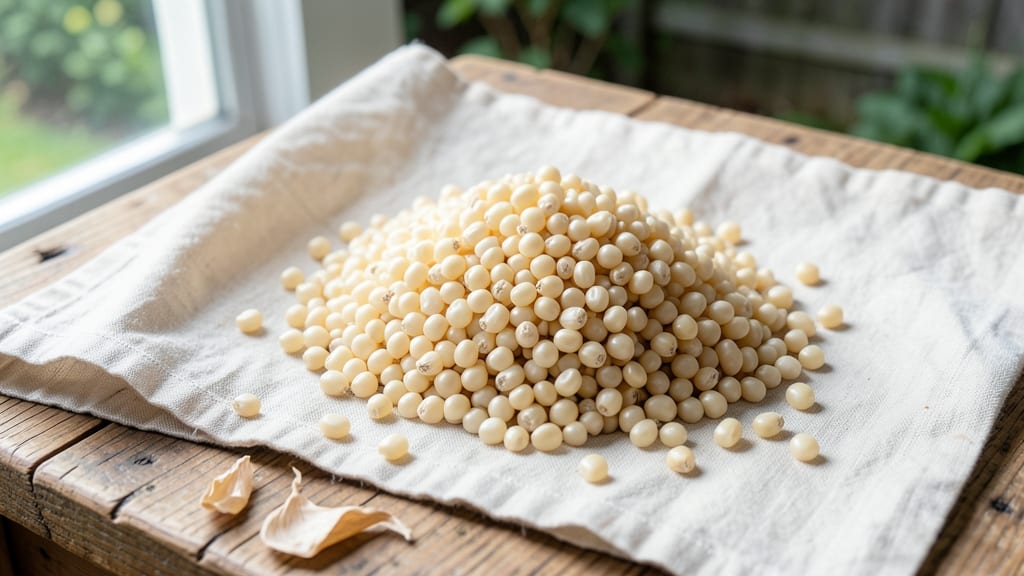
Discover nature’s hidden cancer-fighting allies—these 10 white veggies and fruits pack powerful antioxidants, anti-inflammatory compounds, and fiber to support your body’s defenses. Perfect for gardeners and health-conscious eaters alike.
Garlic’s Allicin Boosts Immune Defense
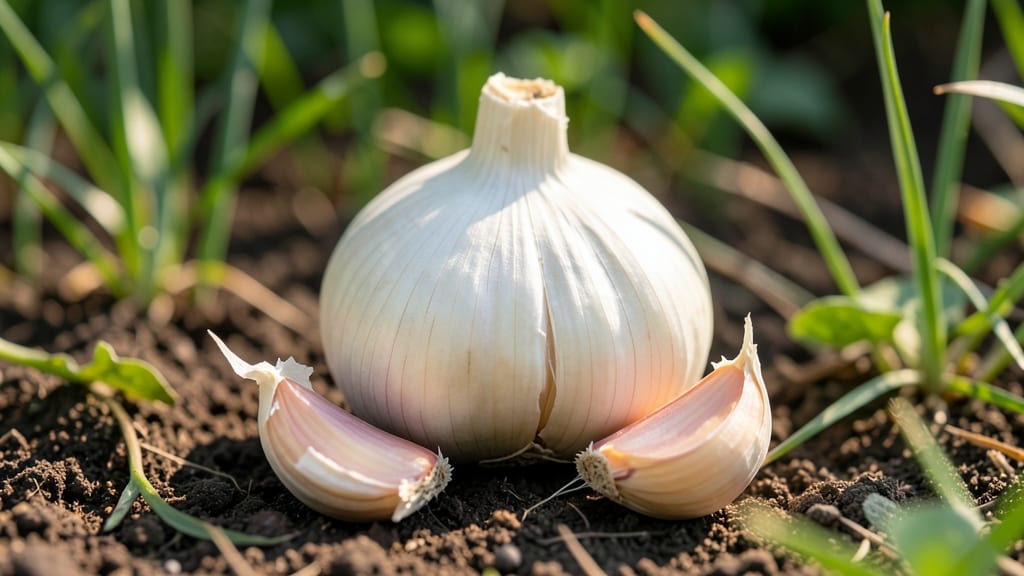
Looking for a white veggie that’s as easy to grow as it is powerful for your health? Garlic isn’t just a kitchen staple—it’s a cancer-preventive superfood packed with allicin, a compound that actively fights tumor growth while keeping your heart strong. The best part? You can harvest it fresh from your garden in just 8-10 months with minimal effort.
Plant individual cloves (not whole bulbs) 2 inches deep in well-draining soil with 6 hours of sun per day. Space them 4-6 inches apart to prevent crowding, and mulch to retain moisture. For maximum allicin, avoid overcooking—lightly sautéing or eating it raw (like in salads or dressings) preserves its benefits. Even a small harvest yields enough to boost your meals with immune-boosting flavor.
This versatile plant thrives in containers or raised beds, making it perfect for urban gardeners or beginners. Whether you’re growing it for health or flavor, garlic’s hardy nature ensures a reliable harvest year after year. 🌱
Cauliflower’s Sulforaphane Fights Cell Damage
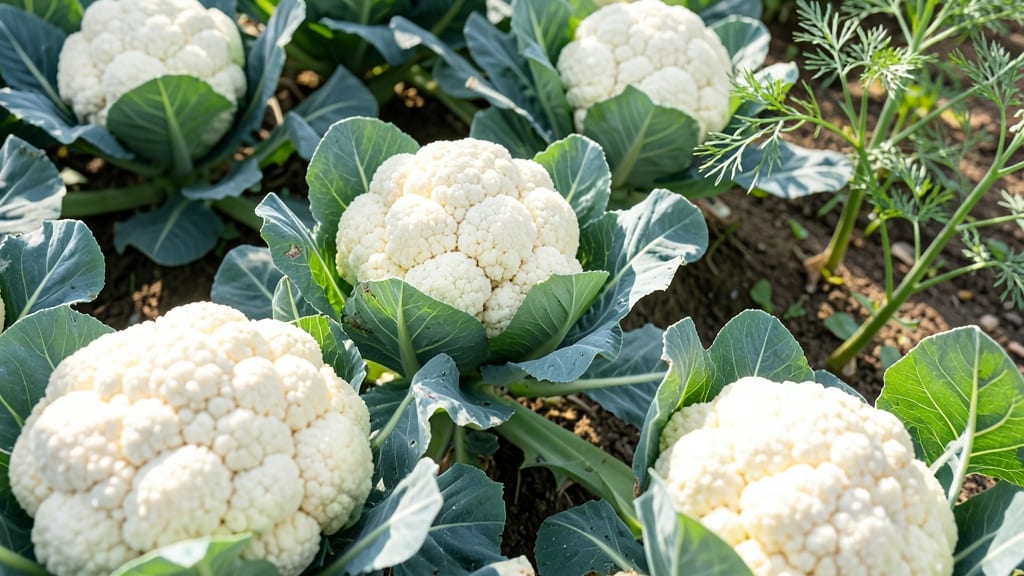
Looking for a white veggie that’s as good for your garden as it is for your body? Cauliflower isn’t just a blank canvas for cheese—its sulforaphane compound is a powerhouse for activating detoxifying enzymes, helping your body fight cell damage naturally.
This cool-weather crop thrives in 50–75°F soil and needs full sun (6+ hours daily). For maximum sulforaphane, lightly steam or roast florets—fermenting into sauerkraut also boosts gut health. Plant seeds ¼-inch deep, 18–24 inches apart, and keep soil consistently moist but well-drained. Varieties like Snowball Y Improved or Purple of Sicily (with edible purple stems) add color and nutrition to your harvest.
Perfect for gardeners who want dual-purpose plants—beautiful in the garden and packed with health benefits. 🌱
White Onions Reduce Inflammation Naturally
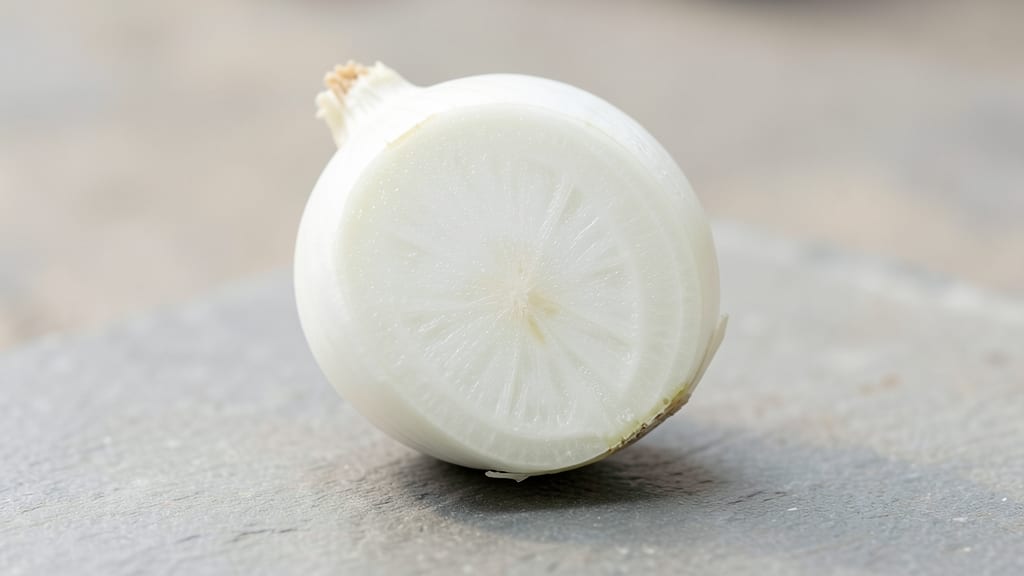
If you're looking for a white veggie that packs a powerful anti-inflammatory punch, white onions are your secret weapon. Their crisp, sharp flavor isn’t just delicious—it’s packed with quercetin, a compound that’s been shown to reduce chronic inflammation and support cellular repair.
Unlike their red or yellow cousins, white onions thrive in cool climates and prefer well-draining soil with full sun exposure. Plant them in early spring or late summer for the best results, spacing bulbs about 6 inches apart. For maximum quercetin content, enjoy them raw in salads or lightly caramelized to preserve their nutrients while deepening their flavor profile.
Urban gardeners and small-space growers will love that white onions are easy to cultivate in containers. Their fast-growing nature means you’ll have a harvest in just 90-120 days, making them a perfect addition to any home garden. 🌱
Mushrooms Contain Beta-Glucans for Immunity
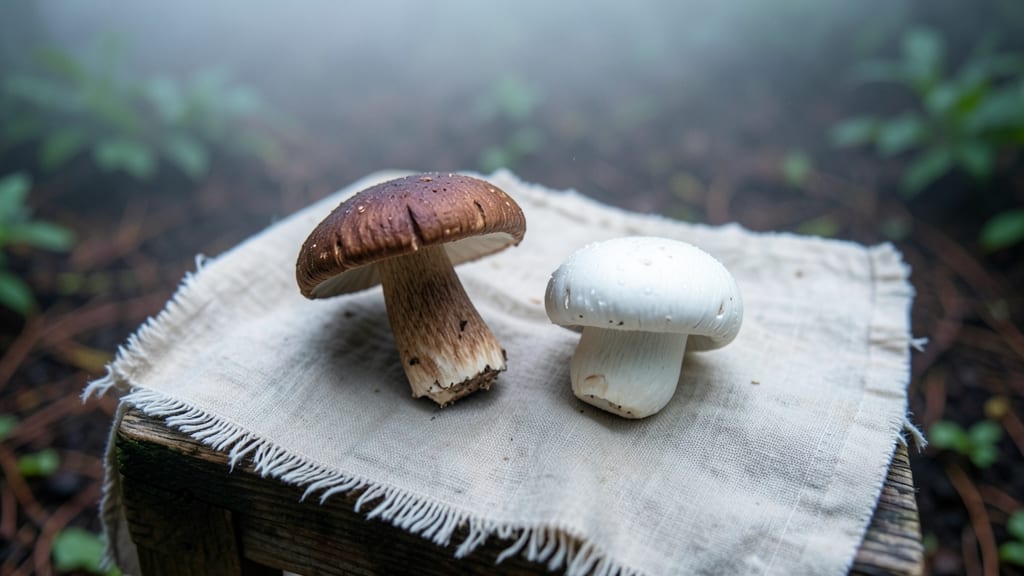
Want a garden crop that doesn’t just feed your body but also strengthens your immune system? Shiitake and white button mushrooms are your answer—packed with beta-glucans, compounds that may help inhibit cancer cell growth while boosting your body’s natural defenses.
These fungi thrive in cool, moist environments and can be grown indoors or outdoors with minimal space. For best results, maintain high humidity (70-80%) and keep temperatures between 55-65°F. You’ll find them growing on sterilized logs or in bags of pasteurized sawdust, making them perfect for small gardens or urban balconies.
Home gardeners will love how easy they are to cultivate—just avoid overwatering and ensure good airflow. Their versatile flavors pair well with herbs and bone broths, adding a nutrient-packed boost to meals. 🌱
Parsnips Provide Fiber-Rich Cancer Protection
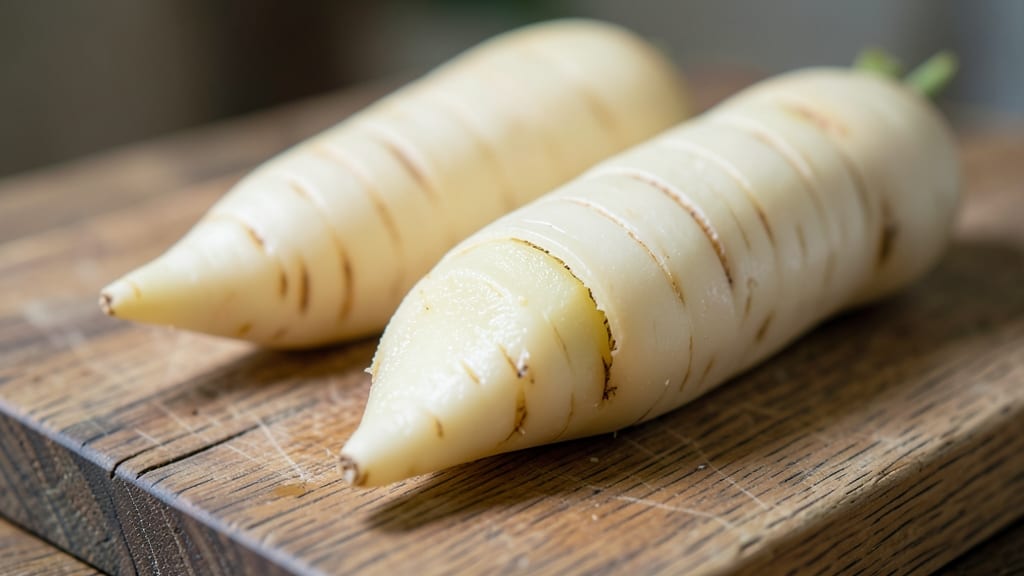
If you’re looking for a white veggie that’s as nutritious as it is versatile, parsnips are your secret weapon. Often overshadowed by carrots, these sweet, starchy roots pack falcarinol, a compound linked to cancer-fighting properties and immune support—making them a standout in your garden’s health arsenal.
Parsnips thrive in cool climates and prefer well-drained soil with 6–8 hours of sun daily. Plant seeds ½ inch deep in early spring or late summer, spacing them 3–4 inches apart. Their high fiber content also aids digestion, while their natural sweetness intensifies after frost—perfect for roasting, mashing, or blending into soups. Unlike carrots, they’re drought-tolerant once established, making them low-maintenance for busy gardeners.
This underappreciated root is ideal for small gardens or containers, offering a year-round harvest when stored properly in a cool, dark place. Whether you’re growing for flavor or health benefits, parsnips deliver big rewards with minimal effort. 🌱
Bananas Boost Potassium for Cell Repair
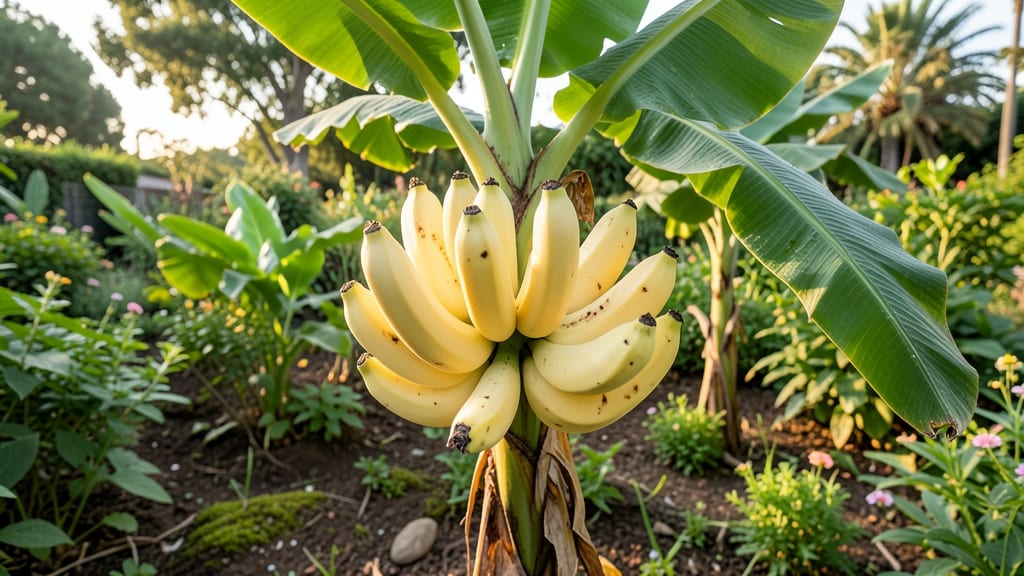
Did you know your garden can grow one of nature’s most powerful cell-repair foods? Bananas—yes, the classic white-fleshed fruit—are packed with potassium, a mineral that helps maintain healthy blood pressure and supports muscle function, while their natural pectin aids digestion and reduces inflammation.
For maximum benefits, choose ripe bananas with speckled yellow peels, as they contain higher levels of antioxidants. Pair them with a sprinkle of cinnamon to enhance blood sugar balance and boost immune support. Urban gardeners can even grow dwarf banana varieties in containers, or simply add them to smoothies, oatmeal, or yogurt for a nutrient-packed boost. Their versatility makes them a must-have for both health and convenience. 🌱
Daikon Radish Detoxifies Heavy Metals
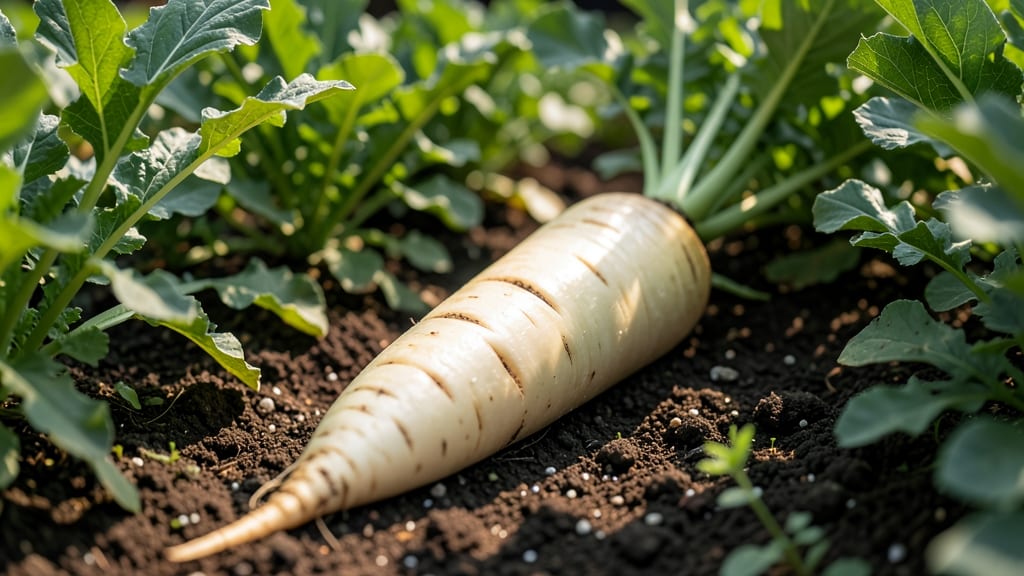
If you're growing a garden with a purpose, daikon radish might be your secret weapon. This Japanese root vegetable doesn’t just add crunch to meals—it actively binds to heavy metals like cadmium and arsenic in your body, helping flush them out naturally.
Packed with glucosinolates, daikon radish also contains compounds that may reduce cancer risk. For best results, plant it in cool-season beds (spring or fall) with well-draining soil and full sun. Harvest when roots reach 12-18 inches—the larger the radish, the more detoxifying power it packs. Try grating it raw into salads or fermenting it for a probiotic-rich snack.
Urban gardeners and small-space growers will love daikon’s adaptability—it thrives in containers and tolerates partial shade. Plus, its fast growth (60-70 days) means you’ll see results quickly. 🌱
White Grapes Contain Resveratrol Antioxidants
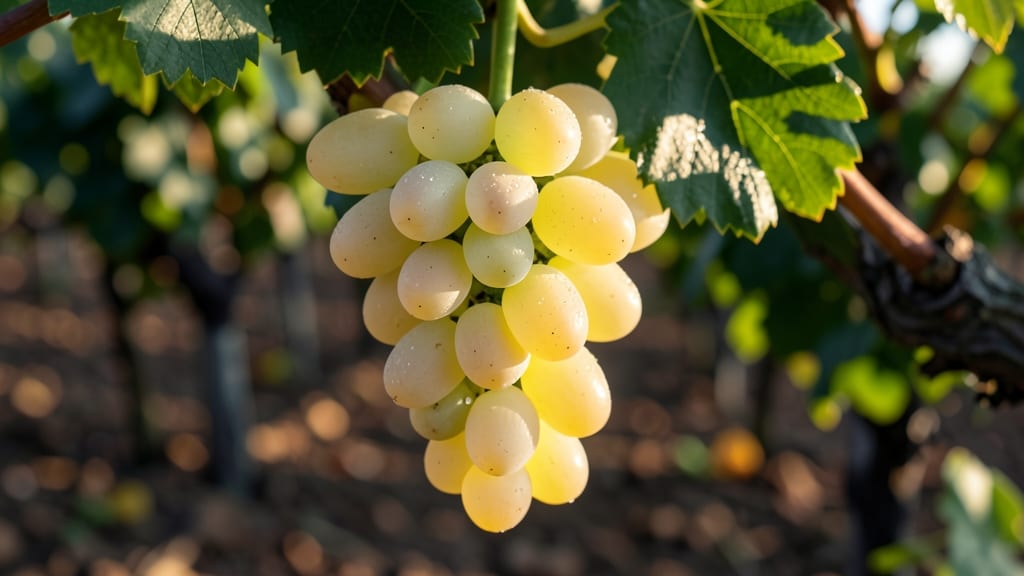
If you’re growing grapes for more than just fresh eating, Alba and Thompson seedless varieties are your secret weapon against oxidative stress. These crisp, white grapes are packed with resveratrol, a powerful antioxidant that helps combat cellular damage—making them a standout in your garden’s health benefits.
Plant them in full sun (6-8 hours daily) with well-draining soil, and prune vines aggressively in late winter to encourage fruit production. Harvest when grapes easily detach from the stem, then enjoy them fresh, freeze them for smoothies, or ferment into skin-friendly wines rich in antioxidants. Their disease-resistant nature also makes them low-maintenance for busy gardeners.
Perfect for home gardeners who want dual rewards—nutrient-rich harvests and stunning vines—these grapes thrive in containers or trellises, even in small spaces. 🌟
Jicama’s Crisp Texture Hides Powerful Benefits
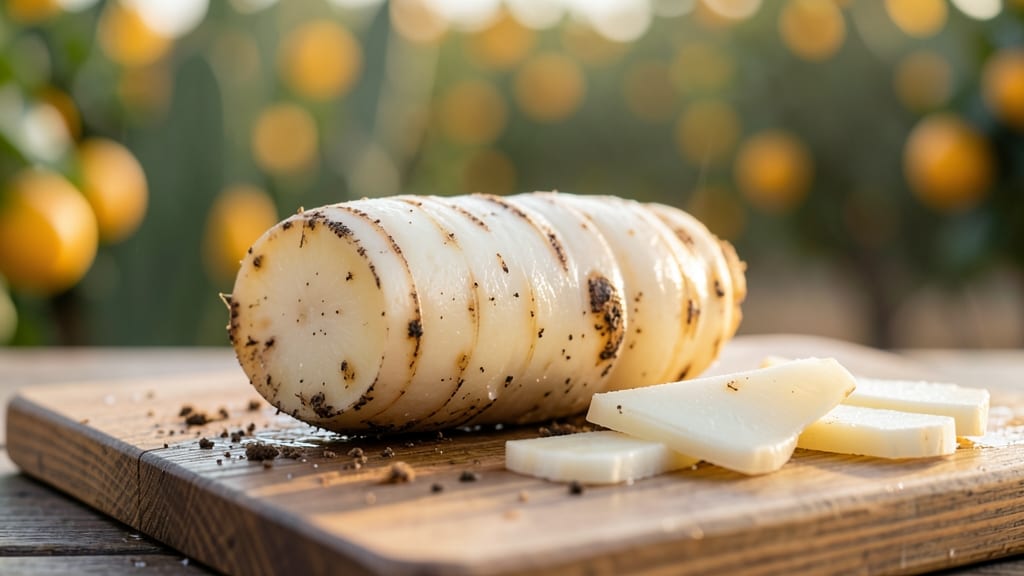
Looking for a white veggie that thrives in warm climates and delivers a satisfying crunch? Jicama is your answer—a versatile root with a sweet, crisp texture that’s as nutritious as it is delicious. This Mexican native grows best in USDA zones 9-11 but can be grown in containers and overwintered in cooler regions.
Jicama’s inulin fiber acts as a prebiotic, feeding beneficial gut bacteria while its vitamin C and antioxidants support immune function. To enjoy it fresh, peel the skin and slice into thin strips for snacks or julienne into salads with lime juice and chili powder for a zesty kick. Store unpeeled jicama in a cool, dark place for up to 2 months—it won’t spoil easily!
Perfect for urban gardeners with limited space or those seeking a low-calorie, high-fiber addition to meals, jicama’s mild flavor makes it a crowd-pleaser. 🌱
White Corn Supports DNA Repair Enzymes

If you’re looking for a white veggie that’s as nutritious as it is versatile, white corn deserves a spot in your garden and kitchen. Unlike its yellow counterpart, this variety lacks the carcinogenic compounds while packing a punch with lutein, a compound that supports eye health and may even help repair DNA damage.
Growing white corn is straightforward—plant seeds in well-drained soil after the last frost when temperatures consistently reach 60°F (15°C). The plants thrive in full sun (6-8 hours daily) and benefit from consistent moisture, especially during tasseling. Once harvested, you can enjoy it grilled, boiled, or even blended into soups for a mild, slightly sweet flavor.
This is a fantastic choice for gardeners who want to grow a nutrient-dense crop with minimal fuss. Plus, its lack of bright pigments means no staining—just pure, wholesome goodness for your table. 🌱