
Planting
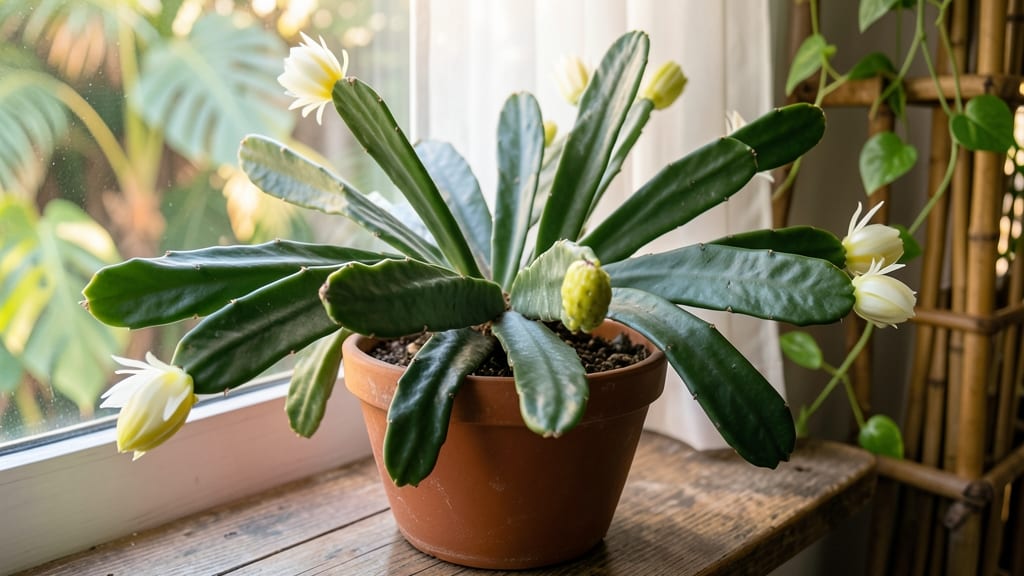
Growing a yellow dragon fruit plant is like cultivating a piece of the tropics in your own backyard—its vibrant blooms and sweet fruit make it worth every effort. 🌺 I’ve watched mine climb trellises and produce fruit twice a year, even in my zone 10 garden, with just a few key adjustments to sunlight and water.
The secret lies in mimicking its natural habitat: warm temperatures, well-draining soil, and a sturdy support system to guide its sprawling vines.
You’ll need a sunny spot (at least 6 hours of direct light daily), a 5-gallon pot or in-ground bed with sandy, slightly acidic soil, and a trellis or fence for those vines to cling to.
Dragon fruit thrives in heat but hates soggy roots—think of it as a cactus cousin. Start with cuttings (easier than seeds) from a healthy plant, and within 6-12 months, you’ll see those iconic white night-blooming flowers appear, followed by fruit in 6-8 months after flowering.
The payoff? Juicy, golden-fleshed dragon fruit packed with vitamin C, plus stunning blooms that attract hummingbirds at dusk. Even in containers, this plant stays manageable—just prune leggy growth and fertilize lightly every 2-3 months with a balanced mix.
Patience is key: it’s a slow starter but rewards you with year-round blooms in the right climate.
Whether you’re growing in pots on a balcony or letting it sprawl in the ground, this plant adapts beautifully. Just watch for overwatering (the #1 killer) and pests like spider mites—neem oil works wonders for both. Ready to turn your space into a tropical oasis with minimal fuss?
📚 In This Guide
- What you need
- Instructions
- Tips and common mistakes
- Wrapping up and next steps
What you need
- ● Dragon fruit plant (Hylocereus undatus) – Choose a healthy, disease-free cutting or seedling (preferably from a nursery).
- ● Well-draining potting mix – A blend of cactus/succulent soil (50%) and perlite or coarse sand (30-50%) for aeration.
- ● Large containers or garden bed – For pots: 5-gallon+ containers (at least 12–18 inches deep) with drainage holes.
- ● For ground planting: Full sun exposure (6+ hours/day) and well-drained soil (amend with compost if needed).
- ● Slow-release fertilizer – Look for a balanced 10-10-10 or 5-5-5 NPK formula (organic options like fish emulsion work too!).
- ● Support structure – A trellis, bamboo stake, or wire cage (4–6 feet tall) to guide the climbing vines.
- ● Pruning shears – For trimming dead or overgrown vines.
- ○ Gloves – Cactus gloves (optional but recommended—those spines can be sneaky!).
- ● Spray bottle – For misting seedlings or humidifying air in dry climates.
- ○ pH testing kit – Optional but handy to check soil pH (ideal range: 6.0–7.0).
- ● Warmth – USDA Zones 9–11 (or grow in containers to bring indoors in cooler months).
- ● Humidity – Thrives in 40–80% humidity; use a humidity tray if indoors.
- ● Watering can or hose – With a gentle spray nozzle to avoid damaging stems.
How to grow a thriving yellow dragon fruit plant indoors
Here's the simple approach I use to keep my dragon fruit vines blooming nonstop—no greenhouse needed.
🪴 Step 1: Choose the Right Container and Drainage
Start with a 5-gallon pot (or larger) that has multiple drainage holes—this plant hates soggy roots. I use a terracotta pot because it breathes and helps prevent root rot. If your pot lacks drainage, drill 3-4 extra holes near the bottom to ensure excess water escapes.
Fill the bottom 2 inches with gravel or small rocks to create a drainage layer. This prevents water from pooling at the roots while still allowing airflow. The reason for this layer is that dragon fruit vines are native to arid regions—they need to dry out between waterings.
🌱 Step 2: Plant in Well-Draining Soil Mix
Use a cactus or succulent mix combined with 20% perlite or pumice to improve drainage. I blend 2 parts potting soil with 1 part perlite—this keeps the roots aerated while holding just enough moisture. Fill the pot until it's 2 inches below the rim, leaving room for the plant.
Gently remove the dragon fruit pup (the small offshoot) from its packaging and place it in the center of the pot. The base of the pup should sit just ½ inch below the soil surface. Press lightly around the edges to secure it without compacting the soil too tightly.
☀️ Step 3: Position for Bright, Indirect Light
Dragon fruit vines need 6-8 hours of bright, indirect light daily—think of it like a sunny windowsill without direct afternoon sun. A south- or west-facing window works best, but if your light is dim, supplement with a grow light for 12-14 hours per day. You'll know the light is right when the leaves stay deep green and don't stretch toward the window.
Rotate the pot a quarter turn weekly so the plant grows evenly. If you notice yellowing leaves or leggy growth, the vine needs more light. Avoid placing it in direct midday sun, which can scorch the leaves—this plant prefers bright but diffused light.
💧 Step 4: Water Deeply but Infrequently
Wait until the top 2 inches of soil feel completely dry before watering—this usually means every 7-10 days, depending on your home's humidity. When you water, soak the soil thoroughly until water runs out the drainage holes. This encourages deep root growth, which is key for a healthy, blooming vine.
After watering, let the pot sit in a saucer for 10 minutes to catch excess water, then empty the saucer. Overwatering is the #1 killer of dragon fruit plants—yellow leaves or mushy stems are red flags to cut back on water immediately. In winter, reduce watering to every 2-3 weeks as growth slows.
✂️ Step 5: Prune and Support for Maximum Growth
Once your vine reaches 3-4 feet, install a trellis or sturdy stake to support its weight. Dragon fruit vines can grow 15-20 feet indoors if given space, but pruning keeps them manageable. Trim back overly long stems in early spring to encourage bushier growth and more flowers.
Remove any dead or yellowing leaves with clean scissors, cutting just above a leaf node. This redirects the plant's energy to new growth. If you see small, green fruit pods forming, congratulations—your plant is thriving! Just be patient, as indoor-grown dragon fruit can take 6-12 months to mature fully.
Tips & tricks for perfect yellow dragon fruit plant care
Here's what nobody tells you about keeping your tropical vine thriving—these little tweaks make all the difference.
Container Selection: While a 5-gallon pot works, upgrade to a 7-10 gallon container once your vine reaches 3-4 feet. Larger pots provide more stability for heavy vines and allow roots to spread without becoming pot-bound. I've seen plants in 5-gallon pots struggle to support their own weight after just 12 months—don't make my mistake!
Soil Mix Pro Tip: For even better drainage, add 10% coconut coir to your soil mix alongside the perlite. The coir helps retain just enough moisture while still preventing compaction. I mix my soil right in the pot before planting to ensure even distribution—this prevents dry pockets that can stress the roots.
Light Optimization: If your windowsill doesn't get enough natural light, invest in a full-spectrum LED grow light rather than a basic bulb. These lights mimic sunlight more closely and can actually help trigger flowering. Position it 6-12 inches above the plant for the 12-14 hours of supplemental light. I've seen dramatic improvements in leaf color and growth rate with this upgrade.
Watering Wisdom: The "top 2 inches dry" rule works, but here's the secret: use your finger to check moisture 2 inches deep—not just at the surface. Surface soil can dry out while deeper soil stays moist, leading to overwatering. I test by inserting my finger to the second knuckle every time. In winter, I reduce to every 3-4 weeks when the plant's growth slows completely.
Pro Tips for Yellow Dragon Fruit Plant
- Here's what nobody tells you about keeping your tropical vine thriving—these little tweaks make all the difference.
- Container Selection: While a 5-gallon pot works, upgrade to a 7-10 gallon container once your vine reaches 3-4 feet.
- Soil Mix Pro Tip: For even better drainage, add 10% coconut coir to your soil mix alongside the perlite.
Frequently asked questions
Got questions about growing your own yellow dragon fruit plant?
You’re not alone! Here are answers to the most common queries—from beginners to seasoned gardeners—to help you cultivate this vibrant tropical beauty with confidence.
How long does it take for a yellow dragon fruit plant to bear fruit?
A healthy yellow dragon fruit plant typically takes 2–3 years to produce its first fruit after planting, assuming it’s grown in ideal conditions (warmth, full sun, and proper support). Patience is key—these vines reward you with year-round blooms once established, but the initial wait is part of the fun!
Can yellow dragon fruit plants survive cold weather?
Unfortunately, yellow dragon fruit (Hylocereus megalanthus) is a tropical plant and cannot tolerate frost or temperatures below 40°F (4°C). If you live in a colder climate, grow it in containers and bring it indoors during winter. A greenhouse or sunroom works too—just keep it near a sunny window! →
Do I need a trellis or cage for my dragon fruit vine?
Absolutely!
Dragon fruit vines are heavy climbers and need support to grow upward (they can reach 20+ feet). Use a trellis, arbor, or sturdy cage to guide the stems. Without support, the plant sprawls, making fruit harvesting difficult. Pro tip: Train young vines early to avoid tangled messes later!
What pests should I watch for on dragon fruit plants?
Dragon fruit vines are relatively pest-resistant, but keep an eye out for:
- Spider mites (tiny webs on leaves)
- Mealybugs (white cottony clusters)
- Scale insects (brown bumps on stems)
Are there any edible alternatives if my dragon fruit isn’t fruiting yet?
While dragon fruit itself is the star, the flowers are edible and delicious! Harvest the large, fragrant blooms (best at night when fully open) and use them in salads, cocktails, or as a garnish. Bonus: The young pads (like pineapple) can be cooked like asparagus. Just avoid the thorns—wear gloves when handling!
Wrapping up and next steps
Growing a yellow dragon fruit plant is a rewarding journey that brings vibrant color and exotic fruit to your space with surprisingly little effort! 🌱 Whether you're drawn to its striking blooms or the promise of sweet, nutritious fruit, this tropical vine thrives with basic care—making it perfect for beginners and plant lovers alike.
Now that you’re armed with the right tools, tips, and troubleshooting advice, why not take the next step? Start with a cutting or seed today, and soon you’ll be enjoying your own year-round harvest of golden dragon fruit. Happy planting! 🌟