
Vegetables
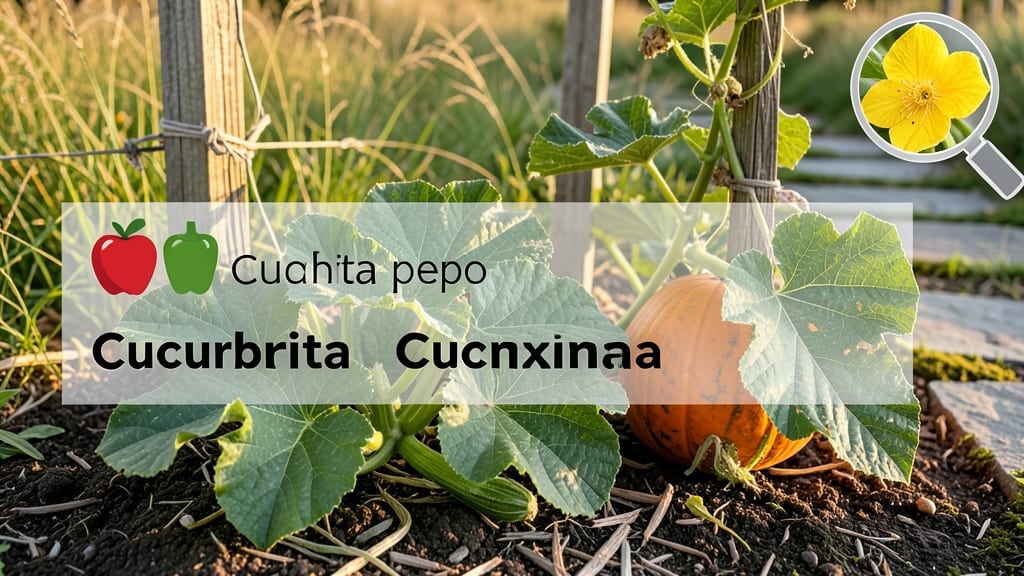
All squashes are botanically classified as fruits because they develop from flowers and contain seeds, but culinary terms often treat them as vegetables due to their savory use in dishes.
This classification might seem confusing at first, but it actually makes perfect sense when you understand how plants develop. 🌱 Squashes grow from fertilized flowers and contain seeds inside their tough skins—just like apples or tomatoes—which is the botanical definition of a fruit.
The real twist comes in the kitchen, where we use them more like vegetables because their starchy, savory flesh fits better into hearty meals than sweet desserts. I've always found it fascinating how something so clearly a fruit in nature becomes a vegetable in our cooking vocabulary.
What's even more interesting is how this distinction plays out with different squash varieties. Summer squashes like zucchini are tender and mild, often used in salads or sautés, while winter squashes like butternut develop thicker skins and sweeter flesh when cooked slowly.
This culinary versatility is why chefs and home cooks alike often refer to them as vegetables, even though science tells us otherwise.
💡 In This Article
- Botanical Classification: Why Squashes Are Fruits
- Culinary Uses: When Squashes Are Treated as Vegetables
Botanical classification: why squashes are fruits
The key to understanding why squashes are fruits lies in their reproductive biology. Botanically, a fruit develops from the ovary of a fertilized flower and contains seeds—this is exactly what happens with squashes.
When you see those familiar yellow blossoms on a zucchini plant, each flower contains both male and female reproductive parts.
After pollination, the ovary swells and matures into the squash we harvest, complete with seeds embedded in the flesh. 🌸 This process mirrors how apples or tomatoes develop, which we universally recognize as fruits.
What makes this classification even clearer is the anatomical structure. The outer rind of a squash is actually the mature ovary wall, while the inner flesh develops from the ovary's tissues.
For example, a butternut squash's tough skin protects the developing seeds inside, just like the skin of a peach or cucumber. Even the fibrous strings inside some squashes are remnants of the plant's vascular system that once nourished the developing fruit.
The scientific consensus is clear: any plant structure that develops from a flower's ovary and contains seeds is botanically classified as a fruit.
One fascinating detail is how squash seeds play a crucial role in this classification. Each seed represents a fertilized ovule from the flower's ovary, and these seeds are essential for the plant's reproduction cycle. When you save seeds from a pumpkin or acorn squash, you're participating in this natural process.
The seeds' presence is what distinguishes fruits from vegetables in botanical terms—unlike carrots or potatoes, which develop from roots or tubers and don't contain seeds.
What often confuses people is the distinction between "true fruits" and "accessory fruits." Some squashes like pumpkins develop from an inferior ovary where the floral parts fuse with the fruit, creating a more complex structure.
However, this doesn't change their fundamental classification as fruits. The botanical definition is strict: if it comes from a flower and contains seeds, it's a fruit—regardless of how we might use it in the kitchen.
Consider this comparison: a tomato is universally accepted as a fruit because it develops from a flower and contains seeds, yet many people use it in savory dishes. Squashes follow the exact same biological pattern, making their classification as fruits completely consistent with scientific definitions.
The confusion arises because our culinary traditions often prioritize taste and texture over botanical origins.