
How To
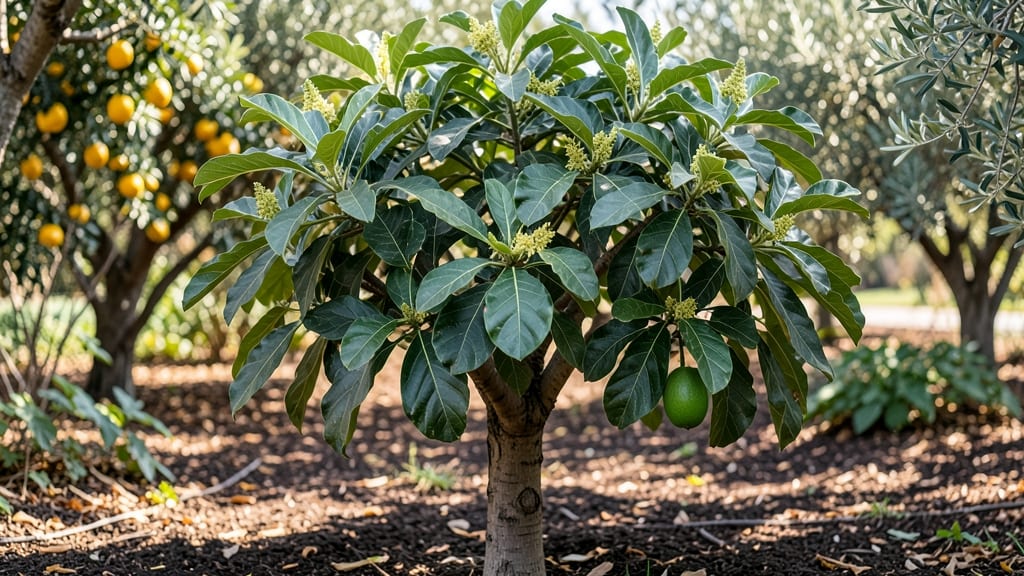
Avocado trees bloom to fruit when small, purple or red flowers appear in clusters, followed by fruit development after successful pollination. Female flowers bloom first in the morning, while male flowers open later in the day, requiring cross-pollination for fruit set. Harvest readiness typically takes 6-8 months after blooming.
Understanding when avocado trees transition from blooms to fruit hinges on recognizing these key stages. 🌸 The timing of flower opening—female blooms first thing in the morning, male blooms later—creates a natural window for pollinators like bees to facilitate fertilization.
Without this cross-pollination, fruit development simply won't occur, which is why many growers hand-pollinate when natural pollinators are scarce. The 6-8 month fruit maturation period explains why patience is essential; rushing harvests too early results in underdeveloped fruit that lacks the creamy texture avocado lovers expect.
What makes this process fascinating is how environmental factors influence the bloom-to-fruit transition. For example, cooler temperatures during flowering can delay fruit set, while consistent sunlight and proper watering after pollination maximize success rates.
I've found that monitoring these conditions—especially during the critical first 2-3 weeks after blooming—dramatically improves yield. Many gardeners also swear by pruning techniques that encourage stronger fruit development once the flowers have set.
💡 In This Article
- Avocado Flowering Stages: Male vs Female Blooms
- Optimizing Avocado Fruit Set: Pollination Tips and Care
Avocado flowering stages: male vs female blooms
Avocado trees exhibit a fascinating two-phase flowering system where male and female blooms emerge at different times. Female flowers appear first in the morning, typically between 5:00-7:00 AM, while male flowers open later in the day around 10:00 AM.
This timing creates a natural pollination window where bees and other pollinators can efficiently transfer pollen from male to female flowers. The female blooms have a distinctive purple or red hue with a single ovary at the base, while male flowers are usually yellow-green and produce pollen in clusters.
The biological mechanism behind this timing is tied to temperature and humidity patterns. Female flowers are more receptive to pollination when conditions are cooler and moist, which is why they open earlier. Male flowers, on the other hand, release pollen more effectively in warmer conditions later in the day.
This dual-system ensures that even if pollinators are less active in the morning, there's still an opportunity for successful fertilization. 🌸 What's particularly interesting is that some avocado varieties, like the Hass, are type A (female flowers in morning), while others like Fuerte are type B (male flowers in morning), which is why planting multiple varieties together improves fruit set.
From a practical standpoint, this timing difference explains why avocado trees often need assistance when natural pollinators are scarce. Hand-pollination becomes essential in regions with low bee activity or during adverse weather conditions.
The female flowers remain receptive for only about 6-12 hours after opening, which is why timing is critical. I've observed that even a 2-hour delay in pollination can significantly reduce fruit set rates, demonstrating how precise this biological process truly is.
Visually distinguishing between male and female blooms is crucial for understanding fruit development potential. Female flowers have a single, prominent ovary at the base that will develop into fruit if pollinated, while male flowers lack this structure and instead produce pollen in 10-15 stamens per flower.
The ovary of a fertilized female flower will begin swelling within 2-3 weeks, a clear sign that fruit development has begun. This early growth phase is when the tree's energy resources are most concentrated on developing the fruit, making proper care during this period absolutely critical.
Environmental factors can dramatically alter this natural process. For instance, temperatures below 50°F during flowering can prevent pollen from being released properly, while high humidity can cause female flowers to close prematurely.
I've seen cases where unpredictable weather patterns during the flowering season led to 50-70% reductions in fruit set, highlighting how sensitive this stage is to external conditions.
Understanding these biological nuances allows growers to make informed decisions about when to intervene with hand-pollination or adjust growing conditions to optimize fruit development.
What many people don't realize is that avocado trees often produce both male and female flowers on the same tree, but not necessarily in the same clusters. This mixed flowering pattern is why some branches may show fruit development while others remain barren.
The tree's energy allocation system prioritizes fruit development on the most vigorous branches, which is why pruning techniques that encourage balanced growth can improve overall yield. This biological complexity explains why avocado cultivation requires such careful attention to detail at every growth stage. 🌱