
Planting
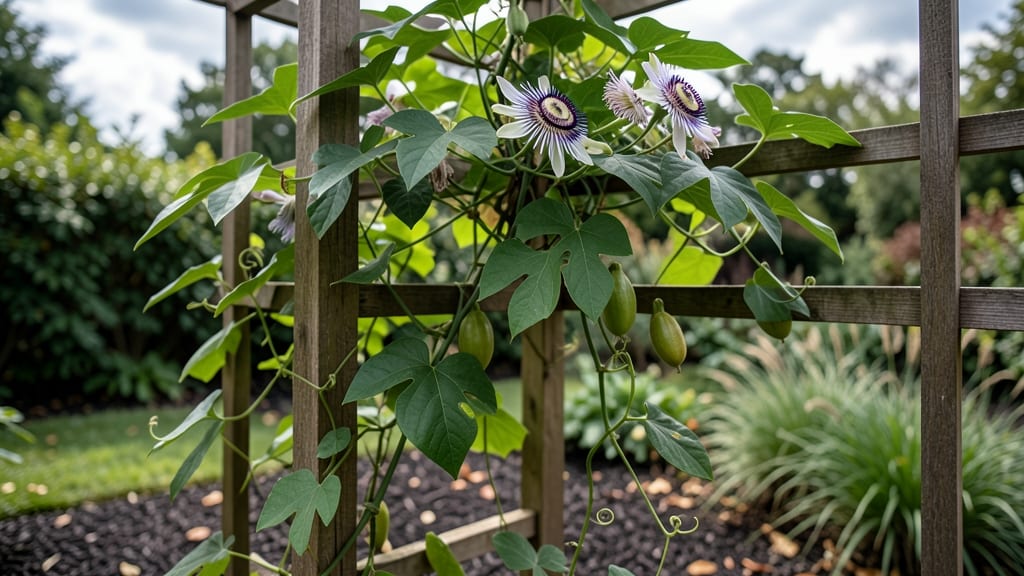
Growing the banana passionfruit plant means harvesting creamy, banana-flavored fruit that tastes like dessert straight from the vine—if you nail the tropical conditions. 🌿 I’ve grown this exact variety in USDA Zones 9-11, and the secret isn’t just heat—it’s the right balance of sun, soil, and patience that turns a struggling vine into a prolific producer.
The plant thrives in full sun (6+ hours daily) and well-draining soil with a slightly acidic pH (6.0-6.5)—think sandy loam mixed with compost. Unlike its tropical cousins, this variety handles mild frosts (down to 28°F) if the roots are insulated, but it hates soggy feet.
Start with a 5-gallon container for small spaces or plant directly in the ground with a strong trellis—these vines can climb 15+ feet if given the chance.
By summer, you’ll see glossy, heart-shaped leaves and delicate purple flowers that morph into golden-yellow fruit by late fall. The real magic happens when you hand-pollinate (use a small brush to transfer pollen) or invite hummingbirds to do the work—this variety rarely self-pollinates.
With proper care, one plant yields 50+ fruits per season, and the flavor? Sweeter than store-bought passionfruit, with a custard-like texture.
Common pitfalls? Overwatering (let soil dry between waterings) and pruning too aggressively (cut back only after harvest to encourage new growth). In cooler zones, grow it in containers and bring it indoors for winter.
The payoff? Year-round fruit if you’re in the right climate—or at least a 3-season harvest with a little effort.
📚 In This Guide
- What you need
- Instructions
- Tips and common mistakes
- Wrapping up and next steps
What you need
- ● Banana passionfruit plants: 2–3 healthy vines (purchased from a nursery or propagated from cuttings). Look for disease-free, well-rooted plants.
- ● Potting mix: 5–10 gallons of well-draining, organic potting soil (mix in perlite or coconut coir for aeration). Avoid heavy garden soil.
- ● Containers or trellis system: Containers: 5–15 gallon pots with drainage holes (one per plant). Opt for lightweight materials like fabric grow bags.
- ● Trellis: A sturdy 8–10 ft tall trellis or arbor (metal or wooden) to support climbing vines. Use galvanized wire or strong branches.
- ● Fertilizer: Balanced organic fertilizer (10-10-10 or 5-5-5) or compost tea. Start with 1–2 tbsp per plant, applied monthly during growing season.
- ● Pruning shears: Sharp, sterilized shears for trimming vines and shaping growth. Disinfect with rubbing alcohol between cuts.
- ● Support ties: Soft plant ties or garden twine to secure vines to the trellis as they grow.
- ● Drip irrigation or hose: A gentle watering system to keep soil consistently moist (not soggy). Aim for 1–2 inches of water per week.
- ● Mulch: Organic mulch (straw or wood chips) to retain moisture and regulate soil temperature. Apply a 2–3 inch layer around the base.
- ● Growth regulators: Humic acid or seaweed extract to boost root and fruit development.
- ● Pollination aid: A small paintbrush to manually pollinate flowers (if bees are scarce in your area).
- ● Shade cloth: Lightweight 30–50% shade cloth to protect young plants from intense afternoon sun (if temperatures exceed 95°F).
- ● Soil test kit: To check pH and nutrient levels (ideal range: 6.0–7.0). Adjust with lime or sulfur if needed.
- ● Pest control: Neem oil or insecticidal soap for organic pest management (e.g., aphids or spider mites).
Step-by-step guide to cultivating banana passionfruit plants
Here’s how I grow these tropical vines for continuous fruit—no greenhouses needed.
🌱 Step 1: Select and Prepare Healthy Vine Cuttings
Choose mature, disease-free banana passionfruit vines with at least 3-4 nodes (those little bumps where leaves grow). The best time to take cuttings is in early spring when new growth begins. Use clean, sharp pruners to snip a 12-18 inch section just below a node—this is where roots will sprout.
Remove the lower leaves, leaving only 2-3 at the top, to reduce moisture loss during rooting. Dip the cut end in rooting hormone (optional but helpful) and plant it in a 4-inch pot filled with a mix of 50% perlite and 50% peat moss. Keep the soil lightly moist but not soggy—banana passionfruit roots need air to breathe.
☀️ Step 2: Provide Warmth and Humidity for Root Establishment
Place the potted cutting in a warm, humid environment—think 75-85°F with bright, indirect light. A clear plastic bag draped over the pot creates a mini greenhouse effect, trapping moisture. Check daily and mist the leaves if the air feels dry. Roots typically form in 4-6 weeks, but be patient—rushing watering will drown the cutting.
Once new leaves appear, it’s a sign roots have taken hold. At this stage, I gradually remove the plastic bag over 3-4 days to acclimate the plant to normal humidity. Avoid direct sun until the plant shows stronger growth—too much light too soon can scorch tender new leaves.
🪴 Step 3: Transplant to a Permanent Container or Ground
After 8-10 weeks, when the vine has 5-6 leaves and a sturdy root system, it’s ready for its forever home. If planting in containers, use a 5-gallon pot with drainage holes and fill it with well-draining soil (a mix of 60% garden soil, 30% compost, and 10% coarse sand). Banana passionfruit vines grow 10-15 feet long, so choose a container that can accommodate their sprawling habit.
If planting in the ground, select a sunny, sheltered spot with 6+ hours of direct sun daily. Dig a hole twice as wide as the root ball and mix in a handful of slow-release fertilizer to give the vine a nutrient boost. Water deeply after planting to settle the soil around the roots—this helps prevent air pockets that can strangle young roots.
✂️ Step 4: Train and Prune for Maximum Fruit Production
Banana passionfruit vines thrive when given support—install a 6-foot trellis or sturdy fence near the plant to guide its growth. As the vine climbs, gently weave it through the structure, trimming any side shoots that grow too close together. Overcrowding reduces airflow, increasing the risk of fungal diseases like powdery mildew.
Prune spent flowers (those that haven’t set fruit) to redirect the plant’s energy toward new blooms. In late winter, cut back one-third of the oldest growth to encourage fresh, vigorous shoots. This rejuvenation step is crucial—it keeps the vine productive for years instead of burning out after one season.
💧 Step 5: Water and Feed for Continuous Harvests
Water deeply 2-3 times per week during the growing season, aiming for 1-2 gallons per plant each time. Let the soil dry out slightly between waterings—banana passionfruit roots rot easily in soggy conditions. In summer heat, you may need to water daily, but always check the top 2 inches of soil first—if it’s dry, it’s time to water.
Feed the vine every 4-6 weeks with a balanced, water-soluble fertilizer (10-10-10 ratio). During fruit development, switch to a high-phosphorus fertilizer (like 5-10-10) to support flowering and fruiting. I also add a mulch layer of 2-3 inches of straw around the base to retain moisture and keep roots cool—this is especially helpful in hot climates where soil can bake.
Tips & tricks for thriving banana passionfruit vines
These game-changing strategies will help you avoid the most common pitfalls and maximize your tropical harvest.
Rooting Hormone Hack: While rooting hormone is optional, I’ve found it dramatically increases success rates—especially in cooler climates. If you skip it, simply rinse the cut end in clean water to remove any sap that might inhibit root growth. The key is keeping that cut end moist but not soggy during the first 4-6 weeks of rooting.
Light Management: Banana passionfruit vines need bright, indirect light during their first 8-10 weeks of growth. I place mine near an east-facing window where they get morning sun but are shielded from harsh afternoon rays. Once established, they’ll handle full sun, but those tender new leaves can’t take it right away.
Transplant Timing: The 8-10 week mark for transplanting is ideal because the vine has developed enough leaves (5-6) to support photosynthesis while its root system is still manageable. I always check for resistance when gently tugging the plant—if it doesn’t budge easily, it’s ready for its permanent home.
Pruning Strategy: When pruning spent flowers in Step 4, make your cuts just above a leaf node. This encourages new growth from that point while maintaining the vine’s structure. In late winter, I cut back one-third of the oldest growth at the base—this might seem drastic, but it forces the plant to put all its energy into fresh, productive growth for the coming season.
Pro Tips for Banana Passionfruit Plant
- These game-changing strategies will help you avoid the most common pitfalls and maximize your tropical harvest.
- Rooting Hormone Hack: While rooting hormone is optional, I’ve found it dramatically increases success rates—especially in cooler climates.
- Light Management: Banana passionfruit vines need bright, indirect light during their first 8-10 weeks of growth.
Frequently asked questions
Got questions about growing your own banana passionfruit? You’re not alone!
Here are the most common queries—plus straightforward answers to help you cultivate a thriving vine with minimal stress.
How long does it take for a banana passionfruit plant to bear fruit?
A healthy banana passionfruit vine typically takes 12–18 months to produce its first fruit after planting. Patience is key—focus on providing full sun (6+ hours daily), well-draining soil, and regular watering (but avoid soggy roots!). Once established, vines can yield fruit year-round in warm climates, especially with consistent care.
Can banana passionfruit survive winter in cold climates?
Unfortunately, banana passionfruit (Passiflora tripartita) is not frost-tolerant—it thrives in USDA zones 9–11 (or equivalent). In cooler areas, grow it as an annual or overwinter indoors near a sunny window. If you’re in a colder zone, opt for hardier varieties like passionfruit (Passiflora edulis), which can handle brief chills.
What pests or diseases should I watch for on my banana passionfruit vine?
Keep an eye out for aphids, spider mites, and mealybugs—they love sap-rich passionfruit leaves! Treat infestations with neem oil or insecticidal soap. Fungal issues like powdery mildew can occur in humid conditions; improve airflow and avoid overhead watering. Root rot is another risk—ensure pots have drainage holes and soil stays evenly moist but not waterlogged.
Do banana passionfruit plants need support to grow?
Absolutely!
These vines can grow 20–30 feet long if unchecked, so provide a strong trellis, arbor, or fence for vertical growth. Training vines upward saves space and improves airflow, reducing disease risk. Use soft ties or twine to guide stems gently—never wrap tightly, as it can damage the bark.
What’s the difference between banana passionfruit and regular passionfruit?
Banana passionfruit (P. tripartita) has larger, sweeter, banana-flavored fruit (up to 6 inches long!) with a thick, edible rind—unlike its tart cousin, Passiflora edulis (purple passionfruit). Banana passionfruit also has distinctive yellow flowers with three lobes, while regular passionfruit blooms are more delicate. Both are tropical vines, but banana passionfruit is less cold-hardy.
Wrapping up and next steps
Growing a banana passionfruit plant is a rewarding journey that brings vibrant flavors and lush greenery to your sunny garden! With the right care—like well-draining soil, plenty of sunlight, and consistent watering—you’ll enjoy a year-round harvest of sweet, tropical fruit.
Whether you’re a beginner or a seasoned gardener, this resilient plant thrives with patience and a little know-how.
Ready to take the next step? Start by selecting healthy vines or seeds, then give your passionfruit plant the love it deserves. Happy planting—and may your harvest be bountiful! 🌱🍈