
Container Gardens
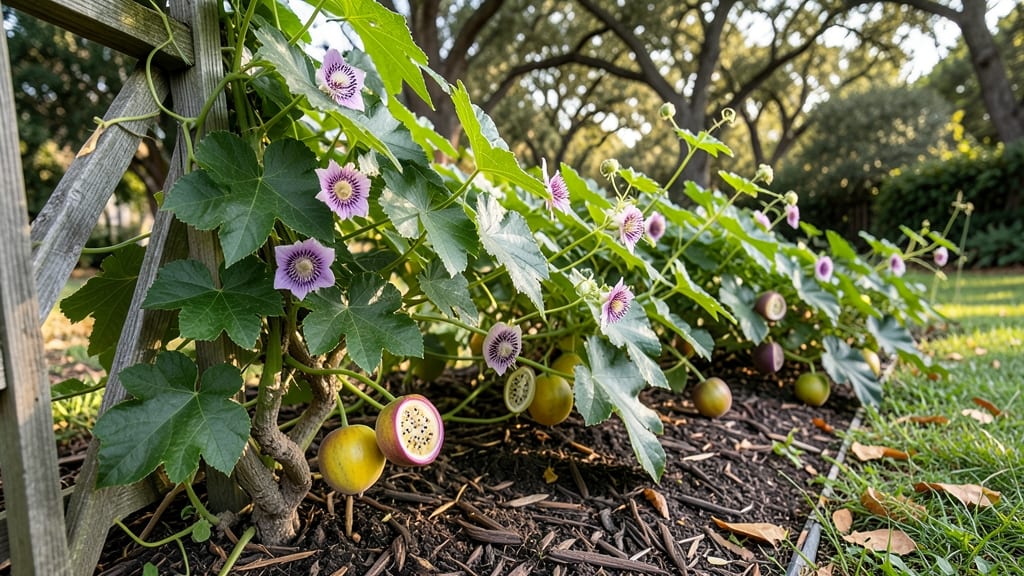
Passionfruit vines can turn your balcony into a tropical paradise—even if you’ve never grown anything beyond herbs. 🌿 I’ve wrestled with these vines for years, and the secret isn’t fancy equipment but matching their needs to your space.
The right variety, container, and a little patience turn them from finicky plants into reliable producers of those sweet, tangy fruits.
Start with purple passionfruit (hardier) or golden passionfruit (milder) varieties, both perfect for containers. They crave full sun (6+ hours daily) and well-draining soil mixed with compost. A 5-gallon pot is the minimum—bigger means more fruit.
Water when the top inch of soil dries, but avoid soggy roots. Fertilize lightly every 4-6 weeks with a balanced organic mix.
By summer, you’ll see fast-growing vines that need trellises or stakes to climb. Prune leggy growth in early spring to encourage bushier, fruit-heavy plants. Hand-pollinate flowers with a soft brush if bees are scarce—this is the key to those golf-ball-sized fruits by fall.
The first harvest? Worth every bit of effort.
Works for patios, porches, or even sunny windowsills in warm climates. Even if you’ve killed plants before, passionfruit vines forgive mistakes—just give them light, water, and time. Let’s get those vines thriving!
📚 In This Guide
- What you need
- Instructions
- Tips and common mistakes
- Wrapping up and next steps
What you need
- ● Passionfruit vines: Choose disease-resistant varieties like Passiflora edulis (Purple Passionfruit) or Passiflora ligularis (Sweet Granadilla). Buy 1-2 healthy plants or seeds from a reputable nursery.
- ● Large containers: 5-gallon pots or bigger (minimum 18" deep and wide) with drainage holes. Use 2-3 containers per vine for better airflow and growth.
- ● High-quality potting mix: A well-draining blend like 50% coconut coir, 30% perlite, and 20% compost (avoid garden soil—it compacts!).
- ● Fertilizer: A balanced, slow-release fertilizer (10-10-10) or organic options like worm castings or fish emulsion. Apply every 4-6 weeks during growing season.
- ● Support structure: A sturdy trellis, arbor, or cage (at least 6-8 feet tall) for vines to climb. Metal or wooden frames work best.
- ● Drip irrigation or hose: For consistent moisture—passionfruit vines hate soggy roots but love steady hydration.
- ● Pruning shears: Sharp, clean shears for trimming dead or overgrown vines.
- ○ Optional: Mulch (straw or wood chips) to retain moisture and regulate soil temperature.
- ● pH testing kit (ideal range: 6.0–7.0; adjust with lime or sulfur if needed).
- ● Insect netting to protect vines from pests like aphids or whiteflies.
- ● Grow lights (if indoors) to supplement sunlight, especially in cooler climates.
- ● Gloves and long sleeves—passionfruit vines can have tiny, itchy hairs!
Step-by-Step instructions for growing passionfruit vines in containers
Here’s how to grow lush, productive passionfruit vines in containers—no tropical climate required.
🌱 Step 1: Select the Right Container and Soil Mix
Passionfruit vines thrive in 5-gallon containers or larger, with multiple drainage holes to prevent root rot. I use fabric grow bags because they allow excess moisture to escape while still holding enough soil for deep roots. Fill the container with a well-draining potting mix—I blend 60% premium potting soil, 30% coconut coir, and 10% perlite for aeration.
Moisten the mix before planting, but avoid soggy soil. Passionfruit vines hate waterlogged roots, so the blend should feel like a damp sponge—not dripping wet. Tap the container gently after filling to settle the soil without compacting it. This ensures roots grow freely without air pockets.
☀️ Step 2: Plant and Position for Maximum Sunlight
Plant 1-2 vine cuttings per container, burying the nodes (bumps along the stem) 1-2 inches deep in the soil. I always use rooting hormone on the cuttings to encourage faster establishment. Space multiple vines at least 6 inches apart if planting more than one per container.
Passionfruit vines need full sun (6-8 hours daily) to produce fruit, so place your containers in the sunniest spot—even a south-facing patio or balcony works. If you’re in a hotter climate, provide afternoon shade to prevent leaf scorch. Watch for new leaf growth in 2-4 weeks—this confirms the vines are rooting successfully.
💧 Step 3: Water and Fertilize for Healthy Growth
Water deeply 2-3 times per week, ensuring the top 2 inches of soil feel dry before the next watering. Passionfruit vines are drought-tolerant once established, but young plants need consistent moisture. I use a drip irrigation system or watering can with a narrow spout to avoid disturbing the soil around the roots.
Fertilize every 4-6 weeks with a balanced, water-soluble fertilizer (10-10-10) during the growing season. Reduce feeding in winter months when growth slows. You’ll notice vibrant green leaves and rapid vine elongation—this means your plant is thriving and ready for training.
✂️ Step 4: Train and Prune for Fruit Production
Passionfruit vines grow aggressively, so I install a trellis or strong support structure early to guide their growth. Train the main stem vertically and prune side shoots to encourage stronger central growth. Once the vine reaches the top of the trellis, pinch back the tips to promote bushier growth and more fruiting branches.
Remove dead or yellowing leaves regularly to improve airflow and reduce disease risk. When flowers appear, hand-pollinate them by gently shaking the trellis to transfer pollen. Passionfruit vines are self-pollinating, but a little help ensures better fruit set. Harvest when the fruit changes from green to its mature color—usually 4-6 months after flowering.
⏰ Step 5: Overwinter and Prepare for Next Season
In colder climates, bring containers indoors before first frost or wrap them in burlap and insulating blankets to protect roots. Reduce watering in winter months but keep the soil slightly moist. Prune back one-third of the vine in late winter to encourage new, vigorous growth in spring.
This is also the time to replace old potting mix with fresh, nutrient-rich soil. Passionfruit vines are perennial in warm climates but benefit from a fresh start in cooler regions. With proper care, your vine will rebloom and fruit abundantly the following season.
Tips & tricks for thriving container-grown passionfruit vines
Here's what I've learned from years of growing passionfruit in containers—these little details make all the difference between a struggling vine and a fruit-bearing powerhouse.
Container Size and Soil Science: While 5-gallon containers work, I've found that 7-10 gallon containers give vines more room to establish before needing pruning. The soil blend is crucial—your 60% potting soil/30% coconut coir/10% perlite mix should stay fluffy, not compacted. After filling, run your finger through the soil: it should crumble easily between your fingers, not stick together. This prevents the dreaded "compacted soil syndrome" that stunts root growth.
Rooting Hormone Hack: In Step 2, when planting your cuttings, don't just dip in rooting hormone—roll the nodes in it first. This ensures every potential root point gets coated, not just the bottom. I also make a small slit in the soil where I'll place each cutting before inserting it, which creates better initial contact between roots and soil. This small tweak can cut your establishment time from 4 weeks to just 2 weeks.
Sunlight Strategy: The 6-8 hours of daily sun requirement is non-negotiable, but here's my pro move: position your containers so they get morning sun and afternoon shade in hot climates. I use a simple shade cloth (50% block) tied to a nearby post. This prevents leaf scorch while still giving enough light for photosynthesis. Watch for leaves that turn yellow around the edges—this is your first warning sign of too much sun.
Fertilizer Timing: When fertilizing every 4-6 weeks, I split the dose into two applications—half when planting and half after 3 weeks. This gradual introduction prevents fertilizer burn while still giving your vines the nutrients they crave. In summer, I switch to a 5-10-10 fertilizer (higher potassium) to boost flowering and fruiting. The key is consistency: never skip a feeding during the growing season.
Pro Tips for Growing Passionfruit Vines
- Here's what I've learned from years of growing passionfruit in containers—these little details make all the differenc...
- Container Size and Soil Science: While 5-gallon containers work, I've found that 7-10 gallon containers give vines mo...
- Rooting Hormone Hack: In Step 2, when planting your cuttings, don't just dip in rooting hormone—roll the nodes in it ...
Frequently asked questions
Got questions about growing passionfruit vines? You’re not alone—this tropical gem can be tricky for beginners! Here are answers to the most common queries to help you cultivate a thriving vine with ease.
How long does it take for passionfruit vines to bear fruit?
Passionfruit vines typically take 12–24 months to produce fruit from seed, while grafted plants may fruit in 6–12 months. Patience is key—focus on strong growth first by providing full sun, regular watering, and a sturdy trellis. Pro tip: Prune aggressively in early spring to encourage fruiting later in the season.
Can passionfruit vines survive cold winters?
No, passionfruit vines are tropical and die back in frost or temperatures below 25°F (-4°C). In colder climates, grow them in large containers and move them indoors or to a greenhouse during winter. If you’re in a mild zone, mulch heavily and protect vines with frost cloth.
What can I do if my passionfruit vine isn’t flowering?
Lack of flowers often stems from insufficient sunlight, overwatering, or poor nutrition. Ensure your vine gets 6+ hours of direct sun daily and fertilize with a balanced, citrus-friendly formula (like 6-6-6) every 4–6 weeks. Troubleshoot: Check for pests (like spider mites) and adjust watering—vines hate soggy roots!
Are there dwarf or compact passionfruit varieties for containers?
Most passionfruit varieties (like Passiflora edulis) are vigorous climbers, but you can prune aggressively to keep them manageable in 15–20 gallon containers. Look for Passiflora coccinea (maypop) or Passiflora caerulea (blue passionflower)—they’re hardier and slightly smaller, though they may not produce edible fruit.
How do I protect my passionfruit vine from pests?
Common pests include aphids, spider mites, and fruit flies. Preventative care: Spray vines with neem oil weekly, remove damaged leaves, and use row covers for young plants. For fruit flies, set up apple cider vinegar traps nearby. Keep your container garden clean to deter infestations!
Wrapping up and next steps
Growing passionfruit vines in containers is a rewarding journey that brings a taste of the tropics right to your doorstep—literally! 🌱 With the right setup, patience, and care, you’ll soon enjoy sweet, fragrant fruits and lush greenery that thrives even in small spaces.
Whether you’re a beginner or a seasoned gardener, this tropical treasure is well within reach.
Now that you’re armed with the know-how, take the next step—start your vine today! Pick a sunny spot, gather your supplies, and watch your container garden flourish into a bountiful passionfruit paradise. Happy growing! 🌿✨