
Pests
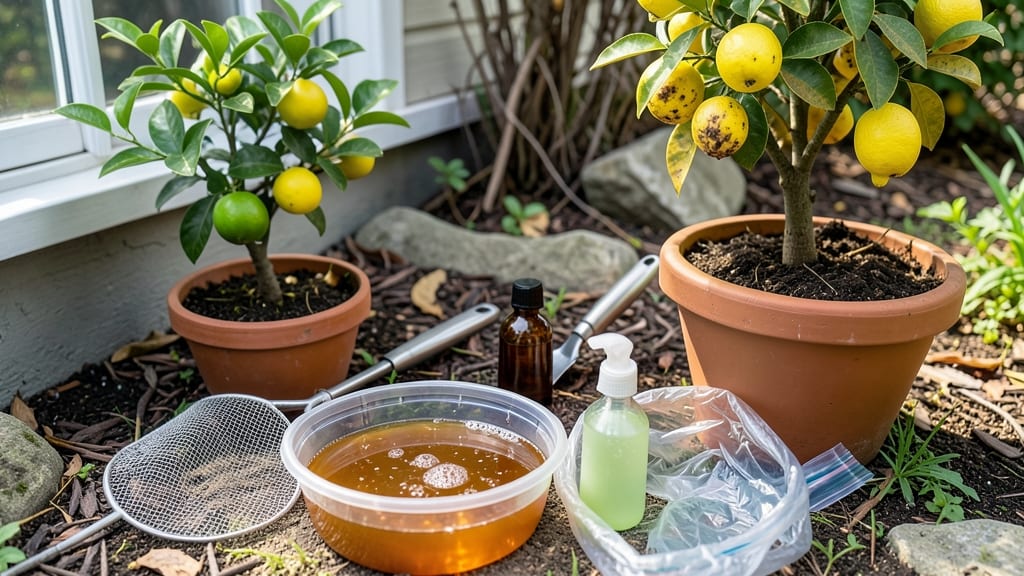
Fruit flies swarming your houseplants mean it's time for a fast, foolproof cleanup. I've battled these tiny pests in my own collection, and the secret isn't complicated—it's about cutting off their food source and luring them away with simple traps.
These flies thrive on overripe fruit and decaying plant matter, so the first step is always the same: clean up their buffet.
The good news is you don't need fancy sprays or expensive tools. A few 5-minute tasks—like wiping down leaves, removing fallen debris, and setting out apple cider vinegar traps—can eliminate 90% of the problem within 24 hours.
My go-to trap uses a shallow dish of vinegar and a drop of dish soap, which drowns them instantly. Place traps near your plants, and watch the numbers drop fast.
Once the flies are gone, you'll notice your plants looking vibrant and healthy again. The leaves stay crisp, new growth appears faster, and you won't hear that annoying buzzing when you walk by.
The key is consistency—check traps daily and repeat cleanups every few days until the infestation is completely gone.
For long-term peace, keep your plants healthy and your kitchen clean. Wipe spills immediately, store fruit in the fridge, and inspect new plants before bringing them inside.
This method works for any houseplant collection, from ferns to fiddle-leaf figs, and keeps those pesky flies from crashing your indoor garden party again.
Root Causes Of Fruit Fly Infestations
Fruit flies—those tiny, buzzing nuisances—don’t just appear out of thin air. 🪰 They’re drawn to your house plants (and kitchen) for specific reasons, often tied to biology, environment, and even your own habits. Understanding why they show up is the first step to stopping them in their tracks.
Below, we break down the science-backed reasons these pests invade your green spaces—and how to prevent them from becoming a recurring problem.
Fruit flies (scientifically known as Drosophila melanogaster) are attracted to fermenting sugars and organic decay. When plant material—like fallen leaves, rotting fruit, or even overwatered soil—begins to break down, it releases ethanol and acetic acid, which mimic the scent of ripe or spoiled fruit.
These compounds act as a chemical beacon to adult flies, luring them in for feeding and egg-laying.
Here’s how it happens in your plants:
- Overwatered soil: Excess moisture creates anaerobic conditions, causing roots and organic matter to rot. This releases volatile organic compounds (VOCs) that fruit flies detect from up to half a mile away.
- Dead leaves or stems: As plant debris decomposes, it emits ethyl acetate, a compound that triggers fruit flies’ feeding instincts.
- Sap or nectar buildup: Some house plants (like monstera or fiddle-leaf figs) produce sticky sap, which can ferment if left unattended, creating a perfect breeding ground.
Actionable insight: Fruit flies don’t just infest fruit—they target any decomposing organic material. Regularly inspect your plants for wilted leaves, soggy soil, or sticky residues. Remove and discard affected parts immediately to cut off their food source.
Fruit flies thrive in warm, humid environments—conditions that many house plants (especially tropical varieties) naturally create. These pests prefer temperatures between 70–80°F (21–27°C) and humidity levels above 60%. Your living room or greenhouse might unintentionally be a fruit fly paradise if:
- Plants are clustered together: Dense foliage traps heat and moisture, raising local humidity levels.
- Pots lack drainage: Waterlogged soil stays damp longer, increasing ambient moisture.
- You’re using a humidifier near plants: While great for your plants, this also signals fruit flies that the area is ideal for breeding.
Scientifically, humidity helps fruit flies retain moisture and speeds up the fermentation process in decaying matter, making it more attractive. Additionally, warm air accelerates their metabolism, allowing them to reproduce faster—females can lay up to 500 eggs in their lifetime under perfect conditions.
Actionable insight: Improve airflow around your plants (use a small fan on low) and avoid overcrowding. If humidity is high, consider a dehumidifier or spacer plants to break up moisture pockets.
Unlike adult flies, which you can see buzzing around, fruit fly larvae (maggots) are nearly invisible—until it’s too late. Females lay eggs in moist, organic-rich soil or decaying plant material, where larvae burrow in to feed. Here’s how infestations start silently:
- Potting soil contamination: Store-bought soil often contains latent eggs or pupae from previous infestations. Even "sterilized" soil isn’t always free of microscopic threats.
- Infested plants as starters: Buying a new house plant with hidden larvae is a common (but avoidable) way to introduce fruit flies.
- Compost or mulch near pots: Outdoor compost piles can harbor fruit flies, which then hitchhike indoors on wind or tools.
The larvae stage is critical: once eggs hatch, they take 3–7 days to mature into pupae, which then emerge as adult flies—ready to reinfest your plants. The cycle repeats unless you break the life cycle at the source.
Actionable insight: Quarantine new plants for 2 weeks before introducing them to your collection. Use sterilized or pasteurized soil (heat-treated at 180°F/82°C for 30 minutes) to kill eggs. For existing plants, replace the top 2 inches of soil to remove hidden larvae.
Sometimes, you’re the reason fruit flies keep coming back. Even with clean plants, everyday actions can inadvertently create a welcome mat for these pests:
- Bringing in infested produce: Overripe bananas, citrus peels, or even a forgotten apple in your bag can release pheromones that attract flies from miles away.
- Using sugary plant fertilizers: Liquid fertilizers with high sugar content (like some organic teas) can ferment in the soil, mimicking rotting fruit.
- Watering from the top: Splashing water onto leaves creates moisture pockets where eggs can cling and hatch.
- Ignoring spilled drinks or food: Even a sip of juice left near a plant can become a breeding site if flies discover it.
Fruit flies are opportunistic—they’ll exploit any unintended food or moisture source you provide. Their sense of smell is 100 times more sensitive than humans’, so even small residues can lure them in.
Actionable insight: Store fruits away from plants (or in the fridge). Switch to dry, granular fertilizers and water at the base of the plant to avoid wetting foliage. Keep surfaces clean—flies will always seek out hidden sugars.
Now that you know why fruit flies target your house plants, the next step is how to evict them. The good news? With the right traps and prevention tactics, you can break their cycle and keep your green space fly-free. 🚫🪰
Practical ways to banish fruit flies
Now that you understand why fruit flies are crashing your plant party, let’s roll up our sleeves and tackle them head-on! Below are targeted solutions based on the root cause—whether it’s rotting fruit, overwatered soil, or hidden breeding spots.
Each fix is designed to be fast, effective, and plant-safe, so you can reclaim your green space without harsh chemicals.
---
Fruit flies are drawn to decaying organic matter like a moth to a flame. If your kitchen counter or plant pots have overripe produce, fermenting scraps, or mushy fruit, this is their buffet.
#### 🔥 Step 1: The Dump-and-Inspect Routine - Remove all suspect items from your home—check under sinks, inside drawers, and around houseplants. Toss anything squishy, moldy, or past its prime. - Wipe down surfaces with a vinegar-water solution (1:1 ratio) to eliminate lingering odors that might attract stragglers.
#### 🍳 Step 2: DIY Fruit Fly Trap (No Sugar Needed!) Skip the expensive traps and make a vinegar trap in 2 minutes: 1. Fill a small bowl or jar with apple cider vinegar (or white vinegar).
2. Add a drop of dish soap to break the surface tension. 3. Cover loosely with plastic wrap and poke tiny holes. 4. Place near infested plants—flies will crawl in but won’t escape.
💡 Pro Tip: For extra potency, add a splash of red wine or rum to the vinegar. Flies love the smell but won’t survive the party.
---
Moist, soggy soil is a fruit fly’s dream nursery. If your plants are drowning in water, flies will lay eggs in the dampness, and their larvae will feast on decaying roots.
#### 👨🍳 Step 1: Let the Soil Dry Completely - Stop watering for 5–7 days to allow excess moisture to evaporate. - Repot if necessary: If the soil is chronically wet, transfer the plant to a well-draining pot with fresh, sterile potting mix. - Check drainage holes: Ensure pots aren’t sitting in saucers of water.
#### 🥘 Step 2: Sterilize the Soil Fungal spores and organic debris in old soil can keep attracting flies. Kill the cycle with: - Baking soda solution: Mix 1 tsp baking soda per gallon of water, spray lightly on soil (avoid over-saturating). - Hydrogen peroxide (3%): Dilute 1 part H₂O₂ to 4 parts water, spray on soil to kill larvae and bacteria.
✨ Bonus Hack: Sprinkle a thin layer of cinnamon or diatomaceous earth on top of the soil. Both are natural fungicides and deter flies from laying eggs.
---
Fruit flies thrive in tiny, damp cracks where you’d never think to look. Drains, window sills, and even the crevices of plant pots can harbor larvae.
#### 🔪 Step 1: Deep-Clean Problem Zones - Drain traps: Boil 1 cup of water + ½ cup vinegar down the drain weekly to kill larvae. - Plant pot crevices: Use a toothbrush dipped in rubbing alcohol to scrub inside pot rims and saucers. - Window sills and shelves: Wipe with soapy water to remove sticky residue (flies leave behind eggs!).
#### ⏰ Step 2: Set Up Barrier Traps - Sticky traps: Place yellow sticky cards near plants to catch adult flies before they reproduce. - Citrus peel traps: Rub a lemon or orange peel on a strip of tape and stick it near plants.
Flies are drawn to the scent but get stuck.
💡 Pro Tip: If you have multiple plants, rotate traps every 2–3 days to maximize coverage.
---
Once you’ve evicted the fruit flies, lock the door with these habits:
| Problem | Prevention Fix | |---------------------------|-----------------------------------------------------------------------------------| | Overripe fruit | Store produce in the fridge or sealed containers. Check weekly. | | Overwatering | Water only when the top inch of soil is dry.
Use pots with drainage holes. | | Dirty plant pots | Clean pots monthly with soapy water and dry thoroughly before reuse. | | Kitchen clutter | Wipe counters daily and store trash in sealed bins. | | Outdoor plants | Keep them outside or near open windows to deter indoor infestations. |
🌡️ Heat Treatment (For Stubborn Cases): If flies persist, increase indoor temps to 85°F+ for 24 hours (e.g., close windows on a sunny day). Fruit flies cannot survive extreme heat—it’s like a sauna for them!
--- Final Reminder: Consistency is key! Check traps daily, inspect plants weekly, and act fast at the first sign of new flies. With these methods, your houseplants—and your sanity—will be fly-free in no time. 🚫🪰
Frequently asked questions
Why do fruit flies keep coming back after I've trapped them?
Fruit flies often return because their eggs or larvae hide in soil, drains, or hidden plant crevices. Even after trapping adults, you must sterilize soil with hydrogen peroxide (3%) or baking soda, and clean pot rims with rubbing alcohol. Check drains weekly by pouring boiling water down them to kill hidden larvae.
Can I use essential oils to repel fruit flies from my plants?
Yes! Lemon eucalyptus, peppermint, or lavender oils are excellent natural repellents. Mix 10 drops of oil with 1 cup water in a spray bottle, then lightly mist around plants (avoid direct leaf contact). Reapply every 3-4 days for best results. Flies hate these scents but they're safe for most houseplants.
How long does it take to completely eliminate a fruit fly infestation?
With consistent trapping and cleaning, you'll see 90% reduction in 24-48 hours. Complete elimination typically takes 5-7 days because larvae in soil take 3-7 days to mature. Keep traps out for at least 2 weeks after seeing no new flies to ensure all larvae have emerged and been caught.
Will my houseplants get hurt from the vinegar traps?
No, vinegar traps are completely safe for plants! The apple cider vinegar solution only attracts flies and won't harm foliage. Just place traps away from direct leaf contact. For extra safety, use white vinegar which has an even milder scent that plants tolerate better.
What should I do if I see tiny white worms in my plant soil?
Those are fruit fly larvae (maggots)! Immediately replace the top 2 inches of soil with fresh, sterile potting mix. Treat remaining soil with hydrogen peroxide (3%) or a baking soda solution to kill any remaining larvae. This stops the breeding cycle before new flies emerge in 3-5 days.