
How To
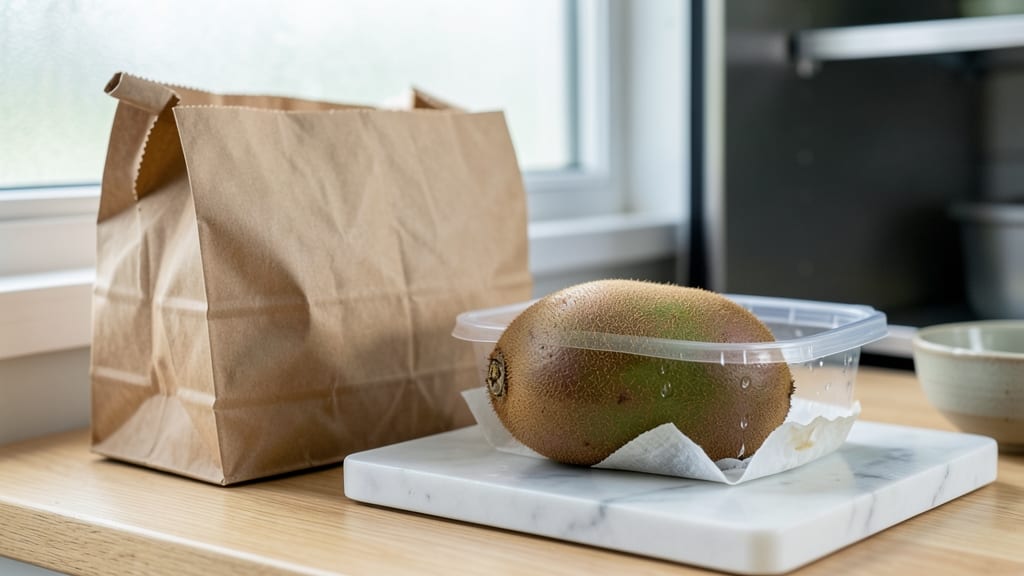
The best way to store kiwifruit is to keep them unwashed in a paper bag at room temperature to ripen naturally, then refrigerate after cutting. For long-term preservation, freeze peeled kiwi slices in airtight containers or store whole kiwis in the fridge for up to 2 weeks.
Kiwifruit ripen best when exposed to ethylene gas, a natural plant hormone that speeds up softening and sweetening. 🌱 Placing them in a paper bag traps this gas, creating a mini greenhouse effect that ripens them faster than leaving them out in the open.
Once ripe, kiwis last longer in the fridge—just remember to store them whole, as cutting exposes the flesh to oxidation. For maximum freshness, I always peel and freeze kiwi slices in sealed containers, which preserves their vibrant color and texture for months.
If you're dealing with unripe kiwis, leave them at room temperature until they yield slightly to gentle pressure. Overripe kiwis, on the other hand, should be eaten immediately or frozen to prevent mushiness.
The key is balance: too much cold slows ripening, while too much heat can spoil them prematurely.
💡 In This Article
- How Ethylene Gas Speeds Up Kiwi Ripening
- Kiwi Storage Solutions for Different Ripeness Stages
How ethylene gas speeds up kiwi ripening
Kiwifruit produce ethylene gas naturally as they mature, a process similar to how apples ripen. This gas acts like a biological clock, triggering enzymes that break down the fruit's firm cell walls, making them softer and sweeter.
At room temperature (68-72°F), kiwis release ethylene at an optimal rate, while colder temps (40°F) slow this process down. The key is creating a controlled environment where ethylene can concentrate—this is why paper bags work best.
A standard paper bag traps 90-95% of ethylene gas around the fruit, accelerating ripening by 2-3 times faster than leaving kiwis exposed. The slight humidity inside the bag also mimics a greenhouse effect, preventing moisture loss while maintaining ideal conditions.
For comparison, plastic bags trap too much moisture, causing mold, while mesh bags let ethylene escape too quickly. 🌱 The sweet spot is a breathable paper bag with 3-4 kiwis—any more and the gas becomes too concentrated, leading to overripening.
Humidity plays a surprising role too. Kiwis have a waxy skin that helps retain moisture, but if stored in dry air (30% humidity), they'll shrivel within days. The ideal range is 85-90% humidity, which paper bags naturally provide.
This is why refrigerators (with 40-50% humidity) aren't ideal for ripening—kiwis stored there may never fully soften. The science shows that ethylene production peaks when kiwis are at 70°F, making room temperature the perfect stage for ripening.
What most people don't realize is that kiwi ripening is a two-phase process. First, the ethylene triggers softening, then a secondary wave of enzymes develops sweetness. This is why kiwis left in paper bags often taste sweeter than those refrigerated immediately. The catch?
Once they reach peak ripeness (when they yield slightly to pressure), they should move to the fridge to slow further breakdown. 🍈 This balance between gas concentration and temperature control is what turns a firm kiwi into a perfectly ripe one.
For visual learners, think of it like a slow-cooker: the paper bag is the lid, ethylene is the steam, and the kiwi is the dish being transformed.
The process works best when you have 3-5 kiwis per bag—too few and the gas disperses; too many and they'll overripen in 24 hours. The sweet spot is 3-5 days for perfect texture and flavor.
This method isn't just about speed—it's about preserving the kiwi's natural sweetness while preventing the dry, mealy texture that comes from improper storage.
Pro tip: If you're impatient, place a ripe apple in the paper bag with your kiwis. Apples produce 10-15 times more ethylene than kiwis, cutting ripening time in half. Just remove the apple once the kiwis reach your desired firmness.
This hack works because ethylene from the apple jumpstarts the kiwi's own ripening process, making it a natural accelerator. 💡