
Diseases
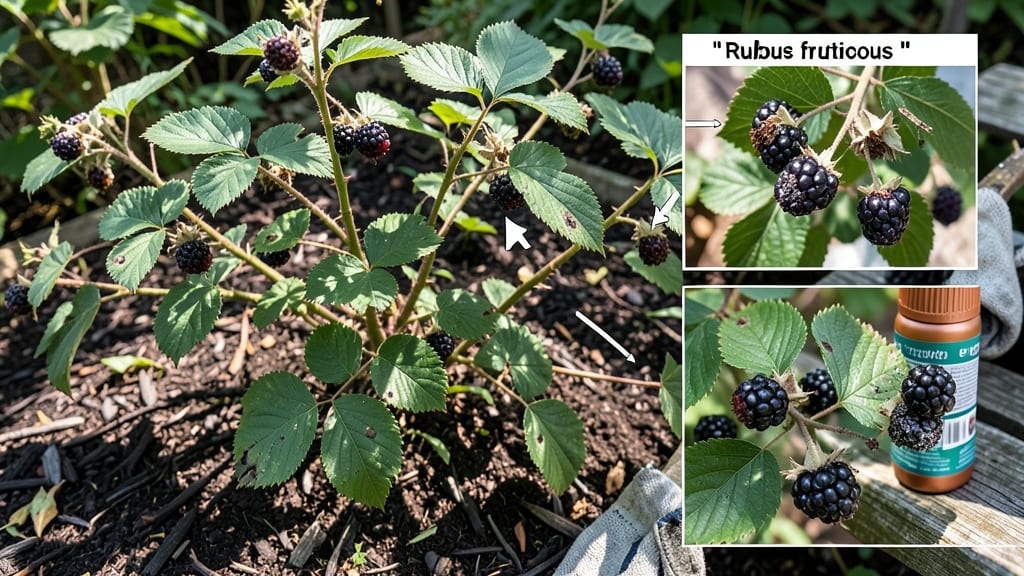
Blackberry fruit diseases turn your summer harvest into a disappointment faster than you can say "thorny mess." 🌿 I’ve watched anthracnose and rosette virus ruin entire canes, leaving behind shriveled berries and stunted plants—but there’s a way to fight back without chemicals.
The key is catching symptoms early: dark spots on fruit, twisted leaves, or sudden dieback in patches.
These diseases thrive when humidity lingers and canes get crowded, so proper spacing and airflow make all the difference.
I’ve found that pruning out infected canes in late winter (before buds swell) cuts down on spread, and a 3% hydrogen peroxide spray (1 part to 32 parts water) keeps fungal spores in check. The goal isn’t just to treat—it’s to break the cycle before next season.
By summer, you’ll spot healthier fruit with fewer blemishes, and the plants will bounce back stronger. The secret? Consistent sanitation—removing fallen leaves, sterilizing pruners, and choosing resistant varieties like ‘Natchez’ or ‘Arapaho.’ Even a small-scale patch can yield 50% more berries with these steps.
Works for home gardens, small farms, and even container-grown blackberries. Let’s get those canes back in fighting shape—before the next harvest gets ruined.
Root Causes of Blackberry Fruit Problems
Blackberry fruit diseases don’t strike randomly—they’re the result of a perfect storm of environmental, biological, and cultural factors. Understanding these triggers is the first step to protecting your harvest. Below, we break down the key reasons why blackberries fall prey to diseases, from fungal invaders to environmental stress.
Fungi are the #1 culprit behind blackberry fruit diseases, thriving in warm, damp conditions. Here’s how they exploit your berries:
- **🍄 Botrytis cinerea (Gray Mold):
- Key triggers: Overhead irrigation, dense canopies, and late-season harvests (when fruit softens) create ideal conditions.
- Actionable insight: Prune for airflow and avoid wetting foliage during watering to starve the fungus.
Blackberries are tough, but extreme or inconsistent conditions weaken their defenses, making them vulnerable to diseases.
- 💦 Excess Moisture (The Biggest Enemy):
- Why it matters: Prolonged leaf wetness (over 9 hours) creates a fungal buffet. Diseases like anthracnose (Colletotrichum) and botrytis multiply exponentially in soggy conditions.
- Key triggers: Poor drainage, compacted soil, or frequent rain during bloom/fruit set.
- Actionable insight: Test soil pH (aim for 5.5–6.5) and improve drainage with compost or raised beds.
- 🌡️ Temperature Swings:
- Why it matters: Rapid shifts (e.g., cold nights + warm days) stress plants, delaying fruit hardening and leaving them prone to fruit rot and powdery mildew (Sphaerotheca).
- Key triggers: Early spring frosts followed by heatwaves or late-season heat stress.
- Actionable insight: Use row covers for young plants and mulch to moderate soil temps.
- 🌿 Poor Airflow (The Disease Magnet):
- Why it matters: Dense canes trap humidity, creating microclimates where fungi thrive. Diseases like gray mold spread 10x faster in stagnant air.
- Key triggers: Overcrowded plants, unpruned canes, or planting in shaded areas.
- Actionable insight: Prune in late winter to open the canopy and space plants 4–6 feet apart.
A single insect bite or mechanical injury can turn a healthy berry into a disease hotspot.
- 🐜 Insect Feeding (Aphids, Thrips, Fruit Flies):
- Why it matters: These pests create entry points for fungi and bacteria. For example, thrips damage fruit surfaces, allowing Monilinia spores to infect tissues.
- Key triggers: Weedy areas (attract pests) or unmanaged orchards.
- Actionable insight: Use horticultural oil for aphids and yellow sticky traps for fruit flies.
- 🌪️ Hail, Wind, or Bird Pecking:
- Why it matters: Physical trauma disrupts the cuticle (berry’s protective layer), inviting anthracnose or bacterial fruit blotch (Xanthomonas).
- Key triggers: Storms or unprotected plants in exposed areas.
- Actionable insight: Install netting during peak pest seasons or harvest early to avoid damage.
💡 Pro Tip: The best defense is prevention. Monitor your plants weekly for early signs (e.g., powdery spots, wilting) and act fast—most fungal diseases can be managed before they spread if caught early!
Fixing Blackberry Blights Naturally
Now that you’ve identified the culprit behind your blackberries’ woes, it’s time to roll up your sleeves and restore your plants to peak health! Below are practical, step-by-step solutions tailored to the most common blackberry diseases—plus prevention tips to keep future harvests thriving.
Think of these as your emergency first-aid kits for berry bushes!
🔥 Root Cause: Overly wet leaves, poor air circulation, or infected prunings. 🍳 How to Treat:
- Prune aggressively 🪓—Remove all infected canes (burn or compost them far from the garden). Sterilize pruners with 70% rubbing alcohol or a 10% bleach solution (1 part bleach to 9 parts water).
- Thin the canopy ✂️—Space canes to improve airflow. Aim for 3–4 inches between branches.
- Apply fungicide 🛡️:
- Baking soda spray: Mix 1 tbsp baking soda + 1 tbsp horticultural oil + 1 tsp dish soap in 1 gallon of water. Spray every 7–10 days during wet weather.
- Copper fungicide (e.g., Bordeaux mixture or copper sulfate)—Follow label rates for preventative sprays before symptoms appear.
- Mulch properly 🌿—Use straw or wood chips (not thick layers) to keep soil moist but prevent splashing water onto leaves.
💡 Prevention Pro Tips:
- Water at the base 💦—Avoid overhead irrigation, especially in the evenings.
- Plant resistant varieties 🌱—Look for ‘Chester’, ‘Natchez’, or ‘Arapaho’, which tolerate humidity better.
- Rotate crops 🔄—Don’t plant blackberries in the same spot for 3+ years to break fungal cycles.
🔥 Root Cause: Wounds from thorns, hail, or poor pruning + bacterial spread via water or tools. 👨🍳 How to Treat:
- Cut out infected canes immediately ⚠️—Snip 6 inches below blackened or oozing areas. Do not compost—bag and trash them!
- Disinfect tools ⚡—Use bleach or a 10% vinegar solution between cuts to prevent cross-contamination.
- Use copper-based bactericides 🛡️—Spray copper hydroxide (e.g., Kocide) every 10–14 days during wet periods.
- Encourage speedy drying 🌞—Prune to open the plant’s center and avoid late-season watering.
🌡️ Prevention Pro Tips:
- Prune in dry weather ☀️—Bacterial spores thrive in moisture, so schedule pruning for sunny days.
- Avoid overhead watering 🚫💦—Use drip irrigation or soaker hoses.
- Plant in well-draining soil 🏗️—Amend clay soil with compost or sand to reduce bacterial buildup.
🔥 Root Cause: Aphids or infected plant material (no cure—remove plants ASAP). 🔪 How to Treat:
- Dig up and destroy infected plants 🚮—Do not compost—bag and trash them to prevent spread.
- Inspect neighboring plants 🔍—Check for yellowing leaves, stunted growth, or distorted fruit.
- Control aphids 🐜—Spray with neem oil or insecticidal soap to starve off virus-spreading pests.
✨ Prevention Pro Tips:
- Buy certified disease-free plants 🌱—Avoid nurseries with poor hygiene.
- Monitor aphid populations 📊—Use yellow sticky traps to catch them early.
- Keep weeds down 🪴—Weeds harbor aphids; mulch to suppress them.
💡 Quick Fixes for All Diseases:
- Boost plant health 💪—Fertilize with balanced 10-10-10 in early spring and potassium-rich (like kelp meal) in summer.
- Test soil pH 📊—Blackberries prefer 5.5–6.5; amend with lime (to raise pH) or sulfur (to lower it) if needed.
- Rotate crops 🔄—Wait 3–4 years before replanting blackberries in the same spot.
🎯 Final Reminder: Prevention is your best tool! Clean, airy, and healthy plants resist diseases far better than struggling ones. With these steps, your blackberries will bounce back—and next season’s harvest will be sweeter and healthier than ever! 🍇✨
Frequently asked questions
What are the first signs of anthracnose on blackberry fruit?
Look for small, dark, sunken spots that appear on ripening fruit—these are classic anthracnose symptoms. The spots often have a pinkish or salmon center before turning black. If you see these on multiple berries, prune the area immediately and avoid overhead watering to prevent spread.
Can I still harvest berries that have blackberry rosette virus?
No, you should never eat fruit from rosette-infected plants. The virus causes distorted, small berries that are unsafe to consume. Remove and destroy infected plants immediately to prevent spreading to healthy bushes—there’s no cure for this disease.
How often should I spray copper fungicide to prevent diseases?
Apply copper fungicide every 10–14 days during wet seasons or when you notice early symptoms. For prevention, start spraying before bloom and continue until harvest. Always follow label instructions for concentration and safety.
Will pruning help stop blackberry fruit rot?
Prune to improve airflow by removing crowded canes and thinning the plant’s center. This reduces humidity and prevents spores from settling on fruit. Also, sterilize your pruners with rubbing alcohol between cuts to avoid spreading disease.
Are there organic ways to control aphids that spread blackberry diseases?
Yes! Spray plants with neem oil or insecticidal soap to kill aphids without harming beneficial insects. For extra protection, place yellow sticky traps near the plants to catch flying aphids early in the season.