
Advice
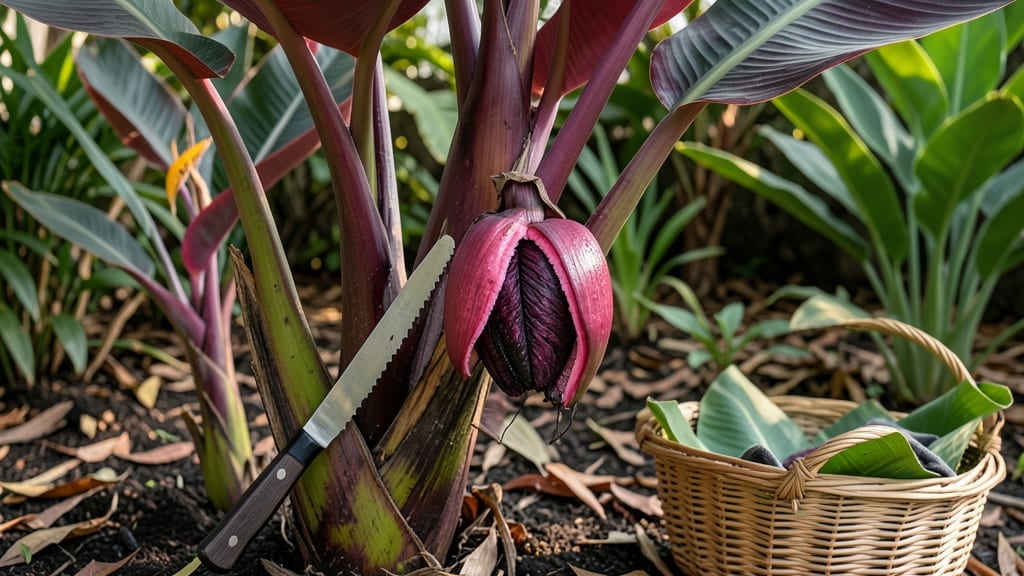
Blood banana fruit is edible when fully ripe, with its vibrant purple-red skin and soft, starchy flesh safe to consume. The skin contains anthocyanins, while the flesh resembles a cross between banana and plantain, though raw fruit may cause mild digestive upset until fully cooked or ripe. Always verify identification before eating wild varieties.
This tropical fruit, also called Musa acuminata, earns its name from the deep purple-red hue of its peel when ripe—nature's way of signaling edibility. 🌿 The flesh's texture and mild sweetness make it a favorite in Caribbean and Southeast Asian cuisines, often used like plantains in fried dishes or boiled as a starchy side.
What sets it apart is the skin's antioxidant-rich anthocyanins, which give it that striking color and potential health benefits, though the flesh itself is where most people focus for eating.
I've found that fully ripe fruit tastes best, with the flesh breaking down into a creamy consistency perfect for mashing or frying.
The key to safe consumption lies in proper identification—never eat any wild banana-like fruit without confirming it's not a toxic look-alike. The blood banana's large, elongated shape and soft, slightly sweet flesh when ripe distinguish it from dangerous varieties.
When harvesting from your own plants, wait until the peel turns completely purple-red and yields slightly to gentle pressure—a sure sign of peak ripeness. In tropical regions, these fruits are often harvested year-round, but in cooler climates, they thrive best in greenhouses or as container plants brought indoors during winter.
💡 In This Article
- Identifying and Harvesting Edible Blood Banana Fruit
- Culinary Uses and Nutritional Benefits of Blood Banana
Identifying and harvesting edible blood banana fruit
The blood banana (Musa acuminata 'Dwarf Red') stands out botanically with its thick, waxy purple-red peel that develops as it ripens. Unlike its green-skinned cousins, this variety's color change isn't just aesthetic—it's a chemical signal.
The anthocyanin pigments in the skin reach peak concentration when fully ripe, giving the fruit its striking appearance while also making it edible. These same pigments act as natural sunscreen for the fruit, protecting it from UV damage during growth. 🌟
When harvesting, look for these key indicators: the peel should yield slightly to gentle thumb pressure (like a ripe avocado) and have a uniform deep purple color without green patches. The stem end will soften noticeably as the fruit matures.
For home growers, harvest when the fruit reaches 15-20 centimeters in length—any longer and the texture becomes too fibrous. Wild varieties require extra caution, as some Dioscorea yams mimic the blood banana's shape but contain toxic compounds like dioscorin.
Seasonal timing matters significantly for flavor and yield. In tropical climates, blood bananas produce fruit year-round, but in temperate zones, they thrive best when planted in well-draining soil with partial shade during summer months.
The plants prefer temperatures between 70-85°F and will stop producing if exposed to frost. I've found that container-grown plants in greenhouses yield the most consistent harvests, with fruits ready in 9-12 months after planting.
Proper harvesting technique preserves both flavor and nutritional value. Always use clean, sharp pruning shears to avoid bruising the fruit, and handle it gently to prevent premature softening.
The fruit continues ripening 1-2 days after harvest at room temperature, so don't rush to eat it immediately—this allows the starches to convert to sugars, enhancing sweetness.
For storage, keep unripe fruits in a paper bag with an apple to speed ripening, or refrigerate ripe ones for up to 5 days.
One common mistake is assuming all purple bananas are edible. The blood banana's flesh has a distinctive cream-colored interior with a texture between a ripe banana and a firm plantain. Toxic look-alikes like Dioscorea yams have white or yellow flesh that's often bitter or acrid.
Always do the "squeeze test"—edible varieties will have a firm but yielding flesh when pressed, while toxic ones remain hard and unyielding. 💫
For gardeners in cooler climates, consider growing blood bananas in 15-gallon containers with a well-draining potting mix. They'll need regular watering (keeping soil moist but not soggy) and monthly applications of balanced fertilizer (10-10-10) during growing season.
The plants are surprisingly cold-hardy for tropical fruits, tolerating brief dips to 50°F with proper protection.