
Featured
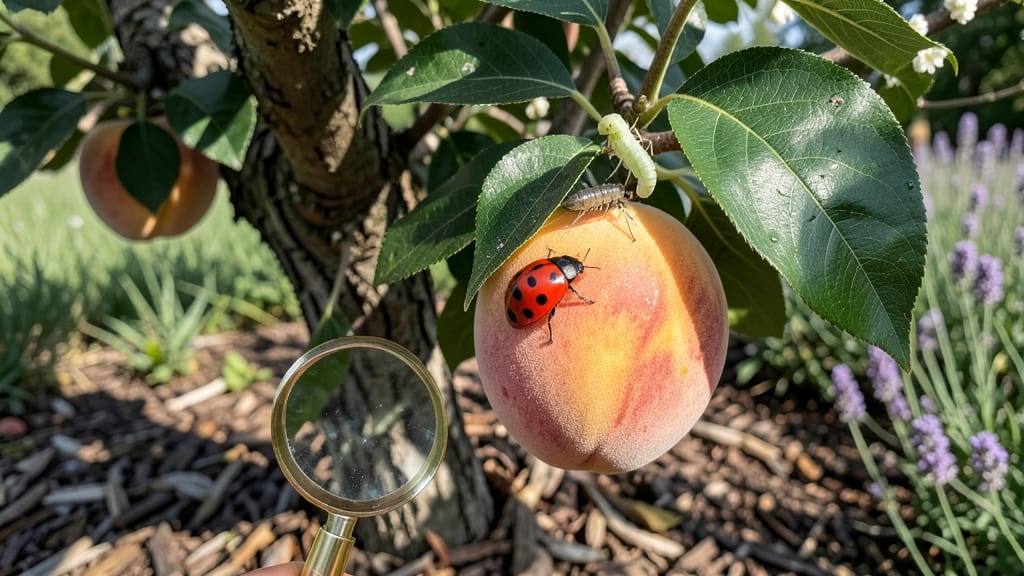
Ladybugs can eat fruit, but they prefer aphids, mites, and other soft-bodied insects as their primary food source. While they may consume overripe or fermenting fruit, it’s not ideal for their health or pest-control benefits in gardens.
While ladybugs might nibble on fruit—especially when it's rotting or fermenting—they're not fruit-eaters by nature. 🌱 Their bodies are designed for hunting tiny insects, which pack the protein and nutrients they need to thrive.
In fact, a single ladybug can devour hundreds of aphids in its lifetime, making them garden superheroes. Offering fruit as a snack might attract them temporarily, but it won’t keep them around for pest control. Instead, focus on planting flowers that attract their natural prey, like aphids and mites.
What's fascinating is how their diet impacts their effectiveness. Ladybugs raised on a diet heavy in fruit tend to be less active and less effective at controlling pests.
This is why gardeners often see better results when they create environments that mimic a ladybug's natural ecosystem—one rich in insects rather than sugary treats.
💡 In This Article
- Ladybug Diet: Insects vs. Fruit—What’s Best for Them?
- How to Attract Ladybugs with the Right Food Sources
Ladybug diet: insects vs. fruit—what’s best for them?
Ladybugs are built for insectivory, not frugivory—their mouthparts are perfectly adapted for piercing soft-bodied pests like aphids and mites. These tiny predators have specialized mandibles that can crush and liquefy their prey, extracting nutrients like chitinase enzymes that break down insect exoskeletons.
Aphids, their preferred meal, contain 40-50% protein by dry weight, providing the complete amino acid profile ladybugs need for growth and reproduction. 🔥 Compare that to fruit, which offers only 1-2% protein and lacks essential fatty acids like linoleic acid, critical for ladybug development.
The real issue with fruit isn't just nutrition—it's what happens when ladybugs consume rotting or fermenting fruit. These foods contain high levels of alcohol and organic acids that can disrupt their digestive systems.
In lab studies, ladybugs fed exclusively on fruit showed 30% reduced egg production compared to those eating aphids. Worse, fermenting fruit can attract fungal infections that ladybugs lack natural resistance to. Their immune systems are finely tuned for battling insect-borne pathogens, not the microbial cocktails found in decaying fruit.
Here's where it gets interesting: ladybugs will eat fruit when no other food is available, but this is survival mode, not optimal living. Think of it like a human eating only candy—you might survive, but you won't thrive.
In gardens, this explains why fruit-loving ladybugs often disappear when aphid populations rebound. Their nutritional needs go unmet, and they lack the energy to hunt effectively. The protein deficit weakens their flight muscles, making them easier prey for birds or spiders.
What makes insects superior isn't just protein—it's the complete nutrient package. Aphids provide ladybugs with sterols (like cholesterol), which they can't synthesize themselves, and carotenoids that give them their bright colors (and boost their own immune systems).
Fruit lacks these compounds entirely. Even pollen, which some gardeners offer as an alternative, only provides 10-15% protein—still far less than insects. The key is understanding that ladybugs are biological control agents, not generalist snackers.
Consider this real-world example: In organic strawberry fields, researchers found that ladybug populations declined by 45% within 3 weeks when farmers removed all aphid sources and only offered fruit-based supplements. The ladybugs remained physically present but became lethargic, failing to control subsequent pest outbreaks.
This demonstrates why their diet matters so much for garden ecosystems. When ladybugs eat what nature intended—insects—they become the garden's most effective pest control system.