
Companion Plants
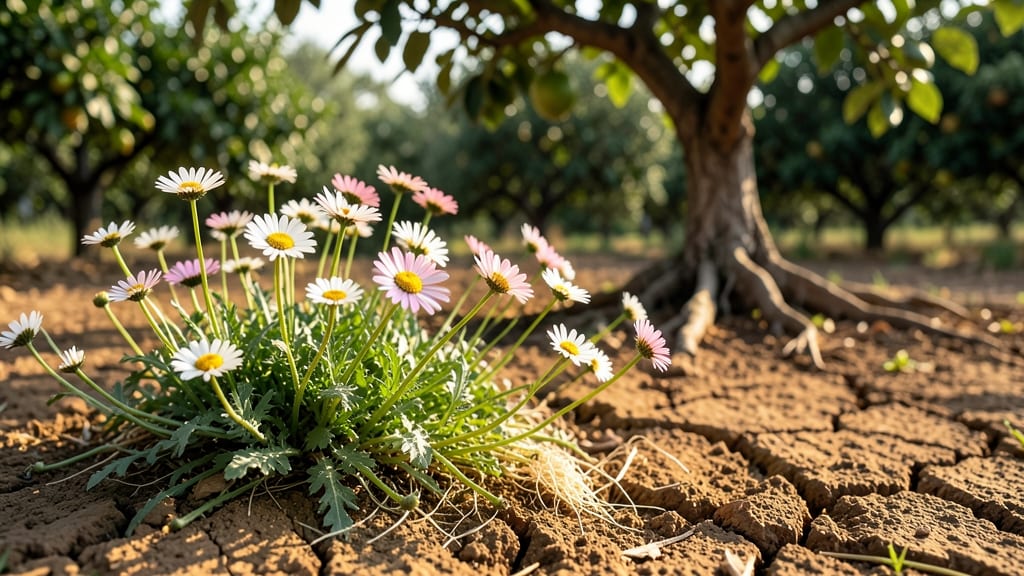
Struggling with pests, poor soil quality, or low fruit yields in your orchard? The right companion plants can transform your fruit trees by improving growth, deterring pests, and enhancing flavor—all while requiring minimal extra effort.
Nasturtiums for Pest Control and Edible Flowers
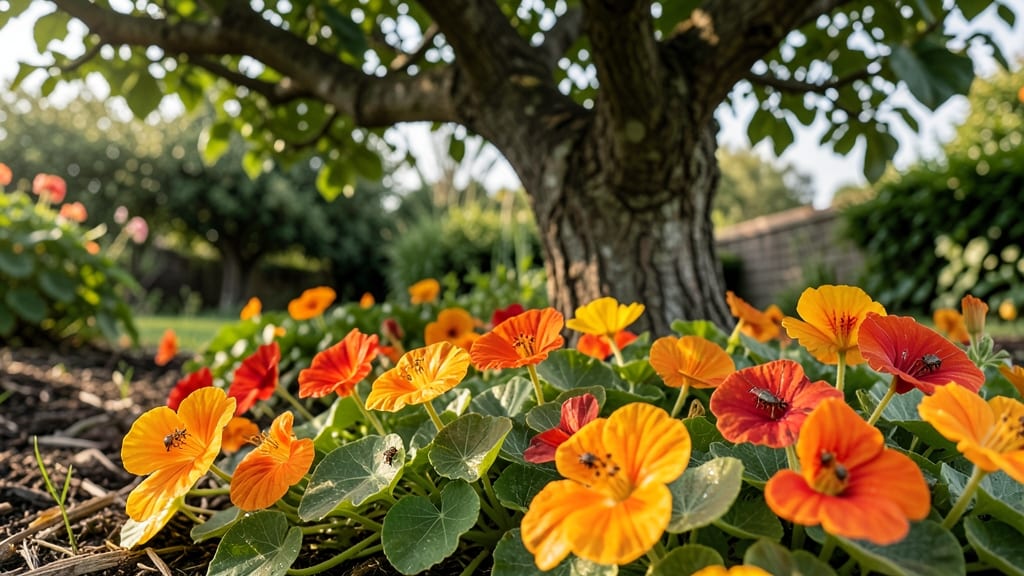
Tired of aphids and squash bugs devouring your apple or pear trees? Nasturtiums are the secret weapon you’ve been missing—these vibrant flowers act as natural pest traps while adding a peppery kick to your salads.
Plant nasturtiums at the base of your fruit trees to lure away aphids and squash bugs, which prefer the nasturtium’s leaves over your tree’s. Their bright blooms also attract pollinators, boosting fruit production. Plus, they thrive in partial to full sun and tolerate poor soil, making them perfect for small gardens where space is limited.
Gardeners with limited room or those who love dual-purpose plants will especially appreciate nasturtiums—they’re easy to grow, pest-resistant themselves, and even edible. 🌻
Garlic Chives for Soil Health and Flavor
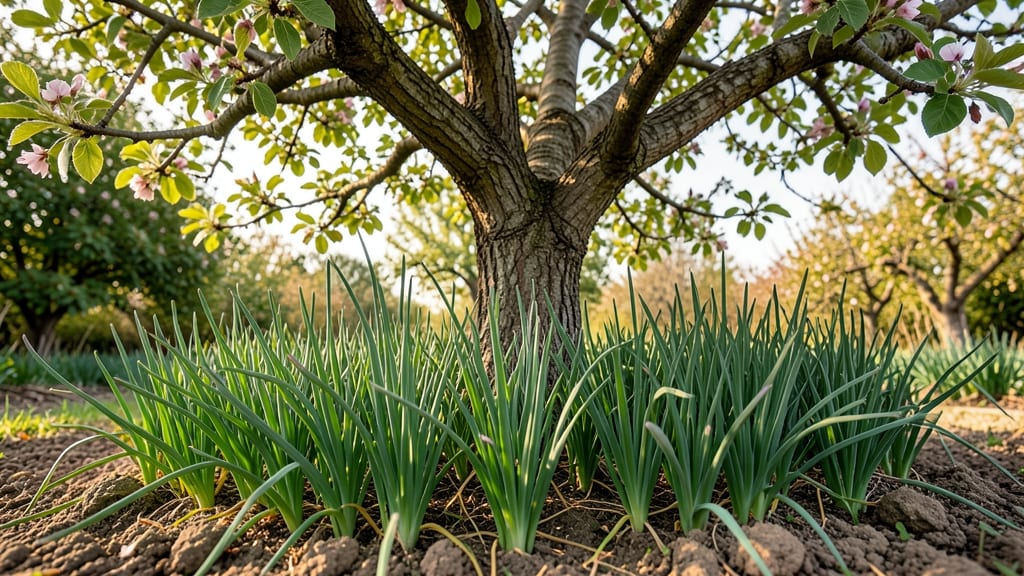
If your peach or plum trees are struggling with codling moths or compacted soil, garlic chives might be your unsung hero. This hardy perennial from the onion family doesn’t just repel pests—it also improves soil structure and adds subtle flavor to your harvests.
Plant garlic chives around your tree’s drip line in full sun to partial shade, where their mild onion scent deters moths while their fibrous roots aerate heavy soil. They thrive in cooler climates (USDA zones 3-9) and even survive light frosts. Snip the leaves as needed for cooking, and let the flowers self-seed for continuous coverage.
Perfect for gardeners who want low-maintenance pest control without sacrificing flavor—garlic chives are a win-win for both the soil and your fruit tree’s health. 💚
Thyme Ground Cover for Root Protection
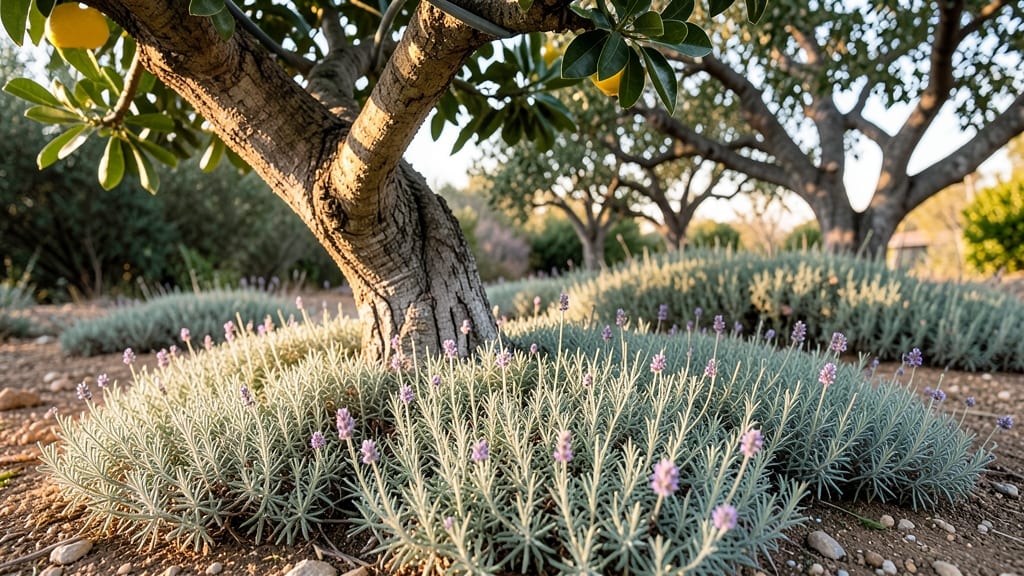
If your citrus or fig trees struggle with root-eating grubs or weeds choking their roots, thyme is the unsung hero you need. This hardy ground cover thrives in poor, dry soil—perfect for Mediterranean climates—while creating a natural barrier that pests avoid.
Plant creeping thyme (like Thymus serpyllum) in a 12-inch-wide band around your tree’s drip line. Its dense mat suppresses weeds and deters grubs with its strong scent, while its shallow roots won’t compete with your tree’s deeper system. Bonus: It’s drought-tolerant once established, making it low-maintenance.
This is especially valuable for gardeners in hot, dry regions where soil quality often suffers. Thyme’s fragrant foliage also adds a lovely aroma to your garden while keeping roots healthy year-round. 🌿
Borage for Pollinators and Soil Fertility
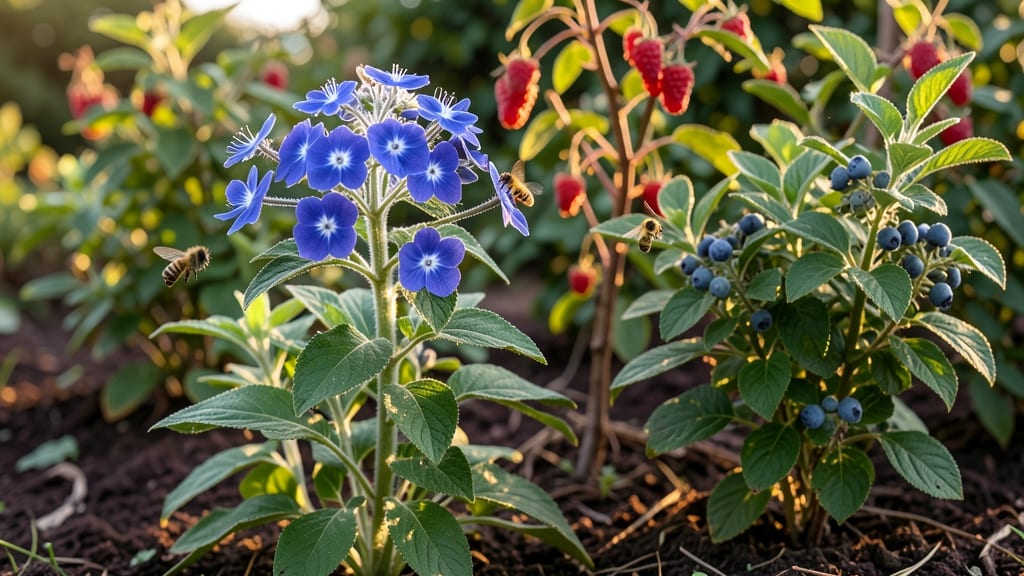
If your blueberry or raspberry bushes aren’t producing as much fruit as you’d like, borage might be the secret weapon you’ve been missing. This hardy annual doesn’t just attract bees and other pollinators—it actively improves soil fertility while giving you a bonus harvest of edible flowers.
Plant borage near your berry-producing trees to boost fruit set through increased pollination, thanks to its vibrant blue star-shaped flowers that bees adore. Its deep roots also fix nitrogen in the soil, reducing the need for synthetic fertilizers. Plus, you can snip the cucumber-flavored blossoms for salads or garnishes—it’s a triple win!
Perfect for gardeners with acidic soil (like blueberry lovers), borage thrives in full sun and tolerates poor conditions. Try it this spring for sweeter berries and a pollinator-friendly garden. 🌻
Marigolds for Nematode Control and Color
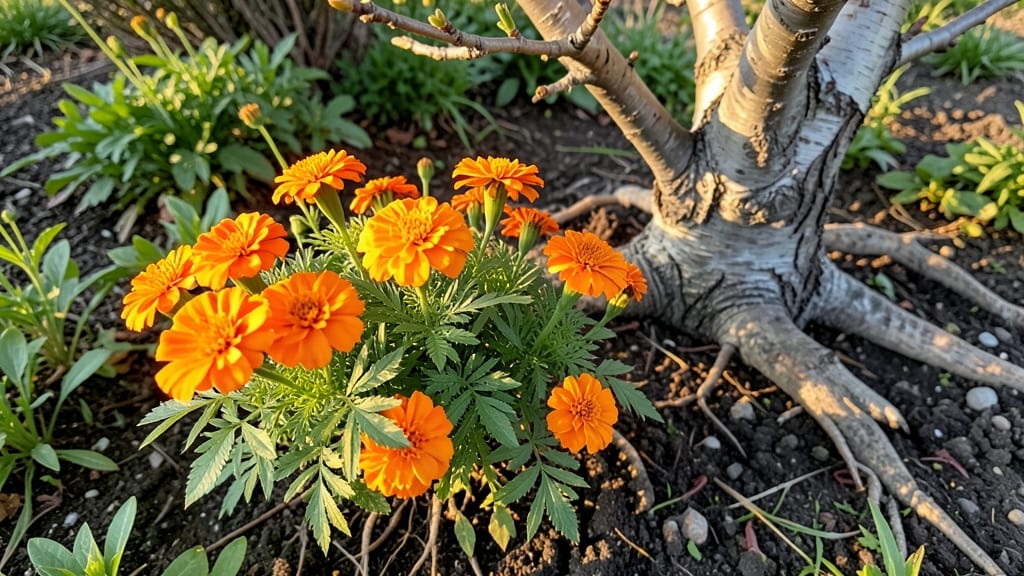
If your stone fruit trees—like cherries or apricots—are struggling with root-knot nematodes, French marigolds could be your secret weapon. These vibrant orange bloomers don’t just add color; their strong scent naturally repels soil-dwelling pests, making them a dual-purpose powerhouse for your orchard.
Plant French marigolds (not Mexican or signet varieties) in early spring, spacing them 6-12 inches apart around the tree’s drip line. Their deep roots disrupt nematode life cycles while releasing a compound called α-terthienyl, which is toxic to these microscopic pests. For best results, interplant them with clover or thyme to create a pest-resistant ground cover. Replant every 1-2 years for continuous protection.
This low-maintenance solution is perfect for urban gardeners with small orchards or anyone tired of chemical treatments. Plus, their cheerful blooms add seasonal interest while keeping your trees healthier. 🌻
Clover Living Mulch for Nitrogen Fixation
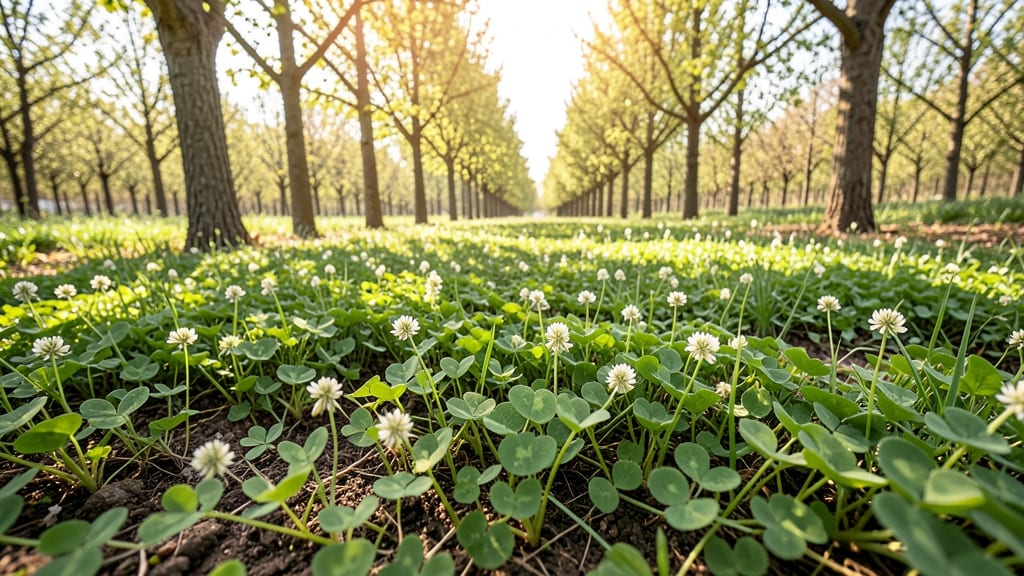
If you're looking for a low-maintenance, zero-competition way to boost your young orchard's health, white clover is the ultimate understory hero. This hardy ground cover doesn't just sit pretty—it actively improves soil while protecting your trees from erosion and weeds.
Clover's shallow roots spread quickly to form a dense mat that prevents soil erosion and suppresses weeds without stealing nutrients from your fruit trees. Its ability to fix nitrogen in the soil means your trees get a steady supply of this essential nutrient, especially important for young orchards still establishing their root systems. Simply scatter clover seeds in early spring and let it grow—no tilling or extra care required.
This living mulch is perfect for gardeners who want to reduce watering needs, eliminate weeding, and create a thriving ecosystem under their trees. It’s especially valuable in slope-prone areas or where bare soil threatens to wash away. 🌱
Dill for Beneficial Insects and Flavor
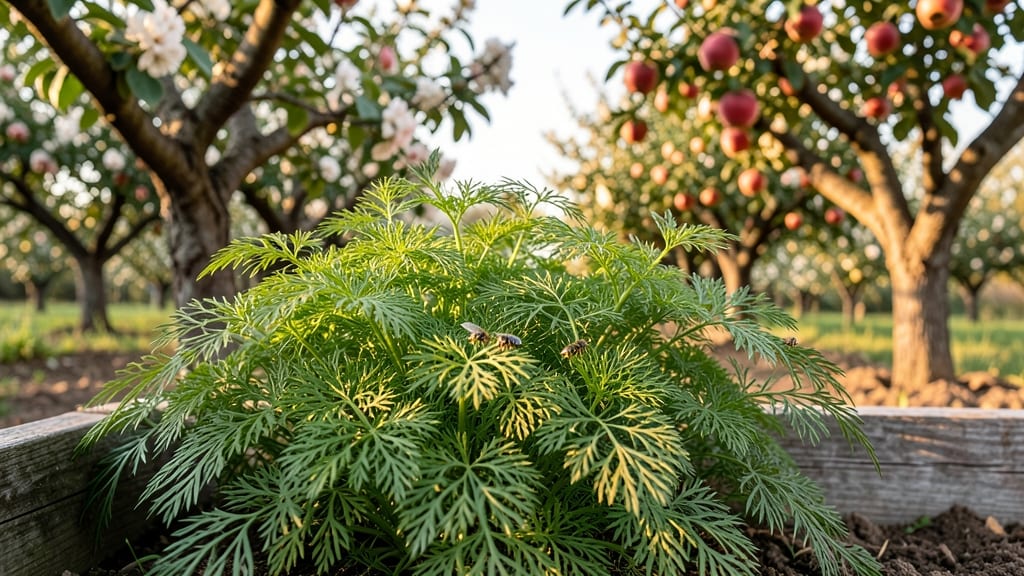
If you’ve ever battled tomato hornworms or other garden pests near your fruit trees, dill might be your secret weapon. This feathery-leaved herb doesn’t just add fresh flavor to your kitchen—it’s a magnet for beneficial predatory wasps that hunt down destructive caterpillars and aphids, giving your orchard a natural pest control boost.
Plant dill near apple, pear, or peach trees in full sun for best results. It thrives in well-drained soil and grows quickly, reaching heights of 3–5 feet. The feathery foliage also makes it a great culinary companion, so you’ll have fresh herbs for soups, salads, and pickles while keeping pests in check.
This dual-purpose plant is perfect for gardeners who want low-maintenance pest control without chemicals. Plus, its tall, airy stems add vertical interest to your garden beds. 🌿
Comfrey for Dynamic Accumulator Benefits
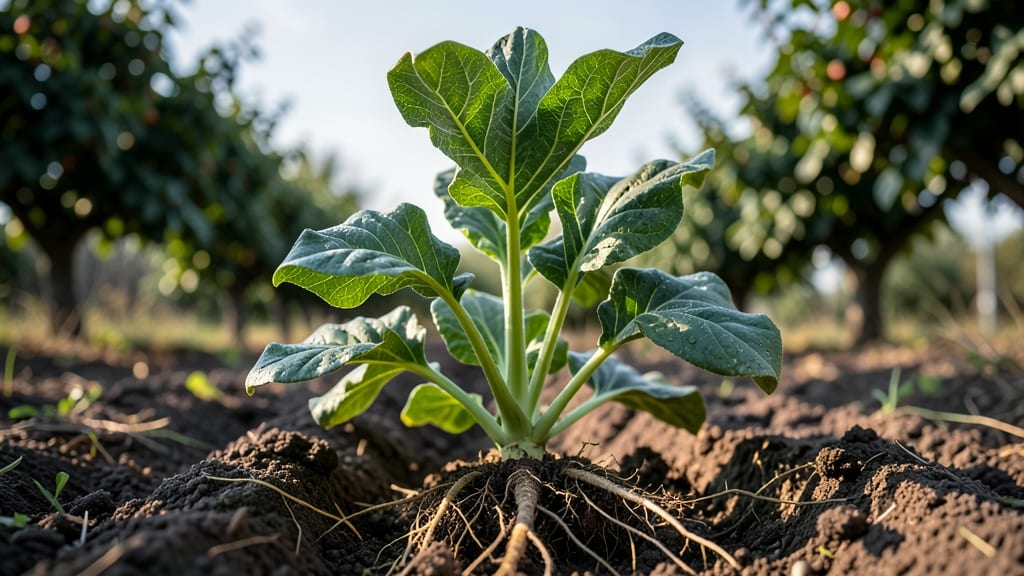
If your orchard has compacted soil or stubborn nutrient deficiencies, comfrey is the unsung hero you’ve been missing. This hardy perennial grows up to 5 feet tall with deep roots that mine nutrients like potassium and phosphorus from subsoil layers, making it a powerhouse for nutrient recycling.
Plant comfrey in a sunny border 3–4 feet away from tree trunks, where its dense foliage will suppress weeds. In late summer, cut back the flower stalks and leaves to create a nutrient-rich mulch—simply chop and drop near the tree’s drip line. This mulch releases nutrients slowly, improving soil structure and feeding your fruit trees over time.
Perfect for established orchards where soil health has plateaued, comfrey thrives with minimal care and pays dividends for years. 💚
Lavender for Pest Deterrence and Aromatherapy
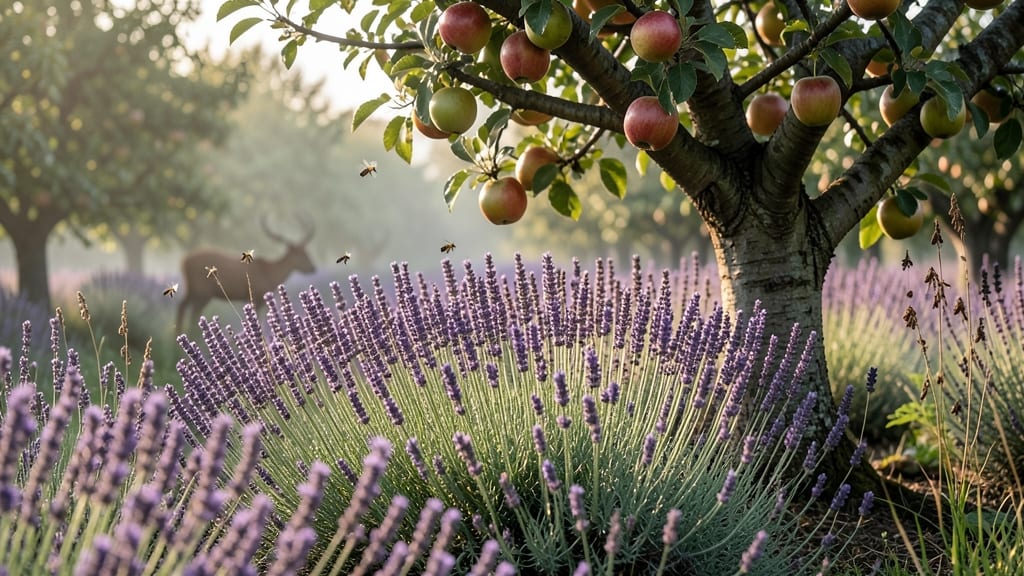
Tired of fruit flies ruining your harvest or deer browsing your prized fruit trees? Lavender is your fragrant, drought-loving solution—this aromatic powerhouse repels pests while adding a spa-like scent to your garden. Its strong fragrance deters fruit flies, moths, and even deer, making it ideal for orchards in Mediterranean or arid climates where water conservation is key.
Plant lavender in well-draining soil with full sun exposure (6+ hours daily) and space bushes 18-24 inches apart for optimal airflow. Prune lightly after blooming to encourage bushier growth, and enjoy its year-round pest-repelling benefits—even the dried stems retain their scent. Bonus: Lavender’s calming aroma improves air quality and attracts pollinators like bees and butterflies.
This low-maintenance plant thrives with minimal water, making it perfect for urban gardeners, container growers, or those in drought-prone areas. 🌿
Chamomile for Soil Healing and Tea Harvest

If your fruit trees are struggling in compacted or stressed soil, chamomile might be the gentle yet powerful ally you’ve been missing. This delicate-looking plant doesn’t just add beauty—it actively heals soil by releasing beneficial compounds that improve structure and suppress harmful pathogens, making it ideal for apple and pear trees in temperate climates.
Chamomile’s feathery foliage and white daisy-like blooms also repel pests like spider mites and aphids, while its flowers are edible and perfect for soothing tea. Plant it in partial shade near tree drip lines, where it thrives without competing for resources. Its calming properties extend beyond the garden—harvest flowers in late summer for a caffeine-free herbal brew.
Perfect for gardeners who want a low-maintenance, multi-functional companion, chamomile turns stressed soil into a thriving ecosystem. 🌿