
Propagation
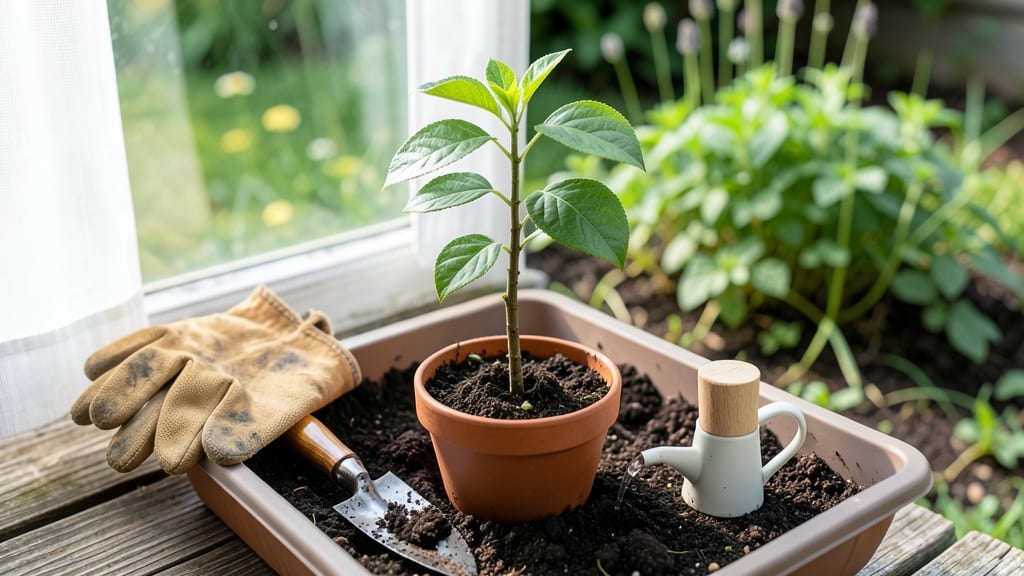
Planting peach seeds from fruit lets you grow a tree with a wild, unpredictable future—just like the one that grew from my neighbor's discarded pit last spring. 🌱 The process starts with a simple kitchen step: extracting the seed from ripe fruit, then preparing it for germination in a way that mimics nature's timing.
Most seeds need cold stratification—a 3-month cold spell—to break dormancy, which is why early fall planting works best. You'll need a well-draining mix of sand and compost, plus patience, since germination can take 6-12 months.
The resulting tree won't be identical to the parent, but it might surprise you with early blooms or disease resistance. By the time your seedling reaches 12 inches, you'll know if it's worth transplanting outside.
The real magic happens in years 3-5, when it might finally bear fruit—if it survives pests and winter. Not every seed makes it, but the ones that do grow with a tenacity that store-bought trees can't match. If germination fails, try grafting onto a rootstock or buying a named variety.
Either way, the adventure of growing from seed is what makes it worth the gamble.
📚 In This Guide
- What you need
- Instructions
- Tips and common mistakes
- Wrapping up and next steps
What you need
- ● Pro tip: 💡 Skip the store-bought peaches! Seeds from grocery-store fruit often won’t grow true-to-type (or at all). Snag peaches from a local orchard or a trusted gardener for the best results.
Step-by-step instructions for growing peach trees from seed
Here's how I've successfully sprouted stone fruit trees—this method works even if you've never tried it before.
🌱 Step 1: Extract and Prepare the Seed
Cut open a fresh peach and remove the large, flat seed (the pit). Rinse it thoroughly under cool water to remove any fruit residue—this prevents mold. I like to soak the seed in a bowl of water for 24 hours to soften the hard outer shell, which helps speed up germination.
After soaking, gently rub the seed between two paper towels to remove the sticky outer layer. This step is crucial—leaving the shell intact can delay sprouting by weeks. Place the cleaned seed on a clean paper towel and fold it over to create a little packet. Keep it in a warm spot (around 70°F) until you see tiny roots emerging.
💧 Step 2: Stratify for Faster Germination
Peach seeds need cold stratification to break dormancy. Place your seed packet in a sealed plastic bag with a damp paper towel, then refrigerate for 6-8 weeks. Check it weekly—if the towel dries out, mist it lightly. You'll know stratification is working when you see a 1-inch root growing from the seed.
Real talk: This is the step most people skip, and that's why their seeds take forever—or never sprout. The cold period mimics winter conditions and tricks the seed into thinking it's time to grow. After 6-8 weeks, remove the seed from the fridge and prepare for planting.
☀️ Step 3: Plant the Germinated Seed
Fill a small pot (at least 6 inches deep) with well-draining potting mix—I use a blend of 50% potting soil and 50% perlite to prevent rot. Plant the seed 1 inch deep, root-side down, and water gently until the soil is moist but not soggy. Place the pot in a warm, sunny spot (like a south-facing windowsill) where temperatures stay around 65-75°F.
Keep the soil consistently moist—not wet, not dry—by checking the top inch daily. If it feels dry, water lightly. You should see the first true leaves (not the initial seed leaves) in 4-6 weeks. This is your signal that the seedling is thriving.
🌿 Step 4: Transplant and Care for the Seedling
Once the seedling reaches 6-8 inches tall and has 4-5 true leaves, it's ready for its first transplant. Choose a slightly larger pot (around 8-10 inches deep) with fresh potting mix. Dig a hole deep enough to cover the roots but keep the top of the seed just below soil level—this prevents rot.
Place the pot in bright, indirect light for the first week to help it adjust. After that, gradually introduce it to full sun (6+ hours daily). Water deeply once a week, letting excess water drain away completely. Overwatering is the #1 killer of young peach seedlings—always check the soil before watering.
⏰ Step 5: Overwinter and Prepare for Outdoor Planting
Peach seedlings are tender and need protection from frost. Keep it indoors near a sunny window or under a grow light until spring. If you live in a mild climate, you can plant it outdoors in late spring (after the last frost date) in a spot with full sun. Choose a location with well-draining soil and space for the tree to grow 15-20 feet wide.
Before planting, harden off the seedling by placing it outside for 1-2 hours daily, gradually increasing time over 10-14 days. This helps it adjust to outdoor conditions. Once planted, water deeply once a week and mulch around the base to retain moisture and regulate soil temperature.
Tips & tricks for growing stone fruit trees from seeds
These simple strategies will help you bypass the most common pitfalls when growing peach trees from seeds—and actually get that seedling thriving.
Seed Prep Matters: Don't rush the 24-hour soak in Step 1—this softens the hard outer shell and speeds up germination by breaking down natural inhibitors. I've seen seeds skip sprouting entirely when people skip this step. After soaking, the gentle towel rubbing is crucial: it removes the sticky layer that can trap moisture and cause mold. Place your seed packet in a warm spot (around 70°F) and check daily for root emergence—this is your first sign of success!
Stratification Secret: The 6-8 week cold period in Step 2 is non-negotiable for peach seeds. Many gardeners skip this, thinking it's optional, but it mimics winter conditions that trigger germination. I've had seeds sprout in just 3 weeks after stratification when they'd otherwise sit dormant for months. Keep that damp paper towel consistently moist—if it dries out, your seedling won't get the cold signal it needs.
Planting Depth Precision: When you plant your germinated seed in Step 3, that 1-inch depth is perfect for peach seeds. Planting too shallow can expose the seed to temperature swings, while planting too deep may delay sprouting. Use your finger to make a small hole that's just slightly deeper than the seed's length, then cover it gently with soil. The root-side-down orientation is also critical—it helps direct growth upward.
Light Transition Strategy: In Step 4, that first week of bright indirect light is crucial for your seedling's adjustment. I've watched seedlings get sunburned when moved too quickly to full sun—look for slight yellowing or wilting as warning signs. Gradually increase sun exposure over 2-3 days by moving the pot closer to the window each morning. This slow transition prevents shock and encourages stronger growth.
Pro Tips for Planting Peach Seeds From Fruit
- These simple strategies will help you bypass the most common pitfalls when growing peach trees from seeds—and actually get that seedling thriving.
- Seed Prep Matters: Don't rush the 24-hour soak in Step 1—this softens the hard outer shell and speeds up germination by breaking down natural inhibitors.
- Stratification Secret: The 6-8 week cold period in Step 2 is non-negotiable for peach seeds.
Frequently asked questions
Got questions about growing peach trees from seeds? You’re not alone—this method takes patience and know-how! Below are the most common questions (and answers) to help you navigate the process like a pro.
How long does it take for peach seeds to germinate?
Peach seeds can take anywhere from 3 to 6 months to germinate, depending on the variety and conditions. Cold stratification (mimicking winter) is key—plant seeds in fall or refrigerate them for 6–8 weeks before sowing. Patience is critical!
Can I grow a peach tree from any store-bought peach?
Technically yes, but results vary. Store-bought peaches are often from hybrid varieties, which may not produce fruit true to the parent plant. For better success, use seeds from heirloom or local peaches. If you’re lucky, you might get a surprise tree!
What’s the fastest way to speed up germination?
Cold stratification is your best bet: Soak seeds in water for 24 hours, then place them in a damp paper towel or peat moss inside a sealed bag in the fridge for 6–8 weeks. After stratification, plant them in well-draining soil and keep them warm (70–80°F).
Will my peach seedling actually bear fruit?
Not guaranteed! Many seed-grown peach trees take 3–5 years to fruit (if they do at all), and the fruit may differ from the parent peach. For reliable fruit production, consider grafting a known variety onto your seedling later. Think of it as a fun experiment!
What should I do if my seeds mold or rot?
Mold or rot usually means too much moisture or poor drainage. If you notice fuzzy growth or a foul smell, remove affected seeds immediately. For future attempts, use sterilized soil and ensure pots have drainage holes. Don’t give up—just adjust your method!
Wrapping up and next steps
Growing a peach tree from seed is a rewarding journey that blends patience with the joy of nurturing life from something as simple as a pit! While it may take time—years before you see fruit—each step is a chance to connect with nature and create something truly unique.
Start small, stay consistent, and don’t forget to celebrate the little victories, like that first sprout breaking through the soil. 🌱
Ready to take the next step? Once your seedling is thriving, research transplanting techniques or pruning tips to give your young tree the best start. Happy growing—your future peach harvest awaits! 🍑✨