
Propagation
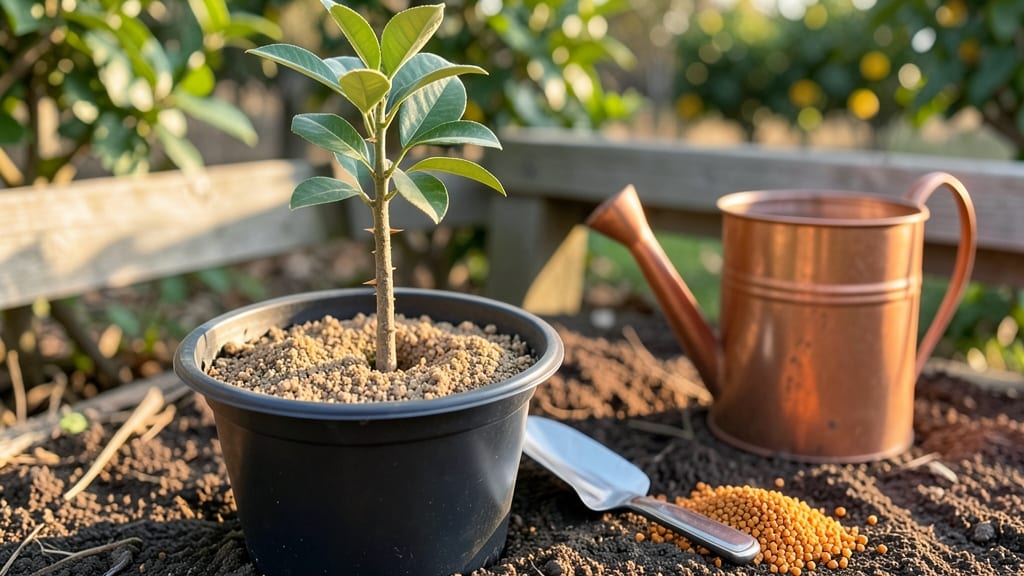
Growing a grapefruit tree from seed lets you nurture a citrus giant from scratch—though it’ll take 10+ years before you taste fruit. 🌱 The journey starts with a single seed, but the real magic happens in the patience and care you pour into each stage.
I’ve watched these trees transform from tiny sprouts into leafy giants, and the process is as rewarding as the harvest. You’ll need fresh grapefruit seeds (not store-bought, which are often treated), a warm spot, and a mix of patience and persistence.
The first few months are all about coaxing that seedling through germination and early growth—think of it like teaching a toddler to walk. Mistakes happen (overwatering, poor soil, or impatience), but each one teaches you more about what your tree truly needs.
By year three, you’ll have a sturdy sapling ready for its forever home. The leaves will smell like sunshine, the branches will reach for the sky, and you’ll finally see the first blossoms—proof that your long-term investment is paying off. It’s not just a plant; it’s a living legacy.
This method works for any citrus seed (oranges, lemons, even limes), but grapefruit seeds are the most reliable for beginners. Let’s get those seeds sprouting!
📚 In This Guide
- What you need
- Instructions
- Tips and common mistakes
- Wrapping up and next steps
What you need
- ● Grapefruit seeds: 2–4 fresh, viable seeds (from a ripe, organic grapefruit—avoid hybrid varieties for best results).
- ● Seed-starting mix: 1 small container (4–6 inches deep) of sterile, well-draining potting soil (or a mix of 50% peat moss and 50% perlite).
- ● Small pots or seed trays: 2–4 biodegradable pots (2–3 inches in diameter) or a seed tray with individual cells.
- ● Plastic wrap or humidity dome: To create a mini greenhouse effect and retain moisture.
- ● Spray bottle: For gentle watering (avoid over-saturating the soil).
- ● Grow lights or sunny windowsill: A south-facing window or a 12–16 hour LED grow light for seedlings.
- ● Fertilizer: A balanced, water-soluble fertilizer (5-5-5 or 10-10-10) for young seedlings.
- ● Heating mat: Keeps soil warm (70–85°F) to speed up germination.
- ● pH test kit: Ensures soil pH is between 6.0–7.0 (grapefruit prefers slightly acidic to neutral soil).
- ● Pruning shears: For future shaping (once your tree grows!).
- ● Mulch: Organic mulch (like straw or wood chips) to retain moisture in later stages.
- ● Label markers: To track seed varieties and planting dates.
Step-by-Step instructions for growing a grapefruit tree from seed
Here's how I turn a grapefruit seed into a thriving young tree—no green thumb required.
🌱 Step 1: Extract and Prepare the Seed
Cut a grapefruit in half and scoop out the segments carefully, saving the seeds. Rinse them thoroughly under cool water to remove any pulp or citrus oils that could inhibit germination. I like to soak the seeds in a bowl of water for 24 hours—this softens the outer coating and speeds up sprouting.
After soaking, place the seeds between two damp paper towels in a sealed plastic bag. Store them in a warm spot (75-85°F) where they'll stay consistently moist but not soggy. You'll see tiny white roots emerge within 3-7 days, signaling it's time to plant.
🪴 Step 2: Plant in a Light, Well-Draining Mix
Fill a 4-inch diameter pot with a mix of 50% potting soil and 50% perlite—this prevents root rot while allowing airflow. Plant the sprouted seed ½ inch deep, with the root facing downward. Gently pat the soil around it to remove air pockets without compacting.
Place the pot in a warm, bright spot but avoid direct sunlight for the first week. Keep the soil evenly moist (not waterlogged) by misting lightly every 2-3 days. You'll notice the first true leaves appear in 2-4 weeks—this is your cue to gradually introduce more light.
☀️ Step 3: Transition to Stronger Light and Larger Pot
Once the seedling has 3-4 true leaves, move it to a 6-inch pot with fresh, well-draining soil. I use a mix of 60% potting soil, 20% perlite, and 20% compost to support steady growth. Place the pot in bright, indirect light for another week before introducing 2-3 hours of morning sun daily.
Grapefruit seedlings grow slowly at first, so be patient. After 3 months, you can transplant to a 1-gallon container if you're keeping it indoors. If moving outdoors, wait until nighttime temperatures stay above 55°F and harden off the plant by gradually increasing sun exposure over 10 days.
💧 Step 4: Care for the Young Tree
Water deeply when the top inch of soil feels dry, but avoid soggy conditions—grapefruit trees hate wet roots. Feed with a balanced citrus fertilizer (10-10-10) every 6 weeks during the growing season. Prune leggy growth by cutting just above a leaf node to encourage bushier growth.
Real talk: This seedling won’t bear fruit for 5-10 years, but the journey is worth it. Keep it in a sunny, warm spot (indoors or outdoors in zones 9-11) and protect it from cold drafts. You'll know you're doing well when new leaves appear every 2-3 weeks and the stem thickens noticeably.
Tips & tricks for growing a grapefruit tree from seed
Growing a grapefruit tree from a seed might seem daunting, but these practical tips will help you avoid common pitfalls and set your seedling up for success.
Germination Boost: After your 24-hour soak, don't be tempted to rush the process by keeping the seeds too wet. The damp paper towels should feel like a wrung-out sponge—not dripping. I place my bagged seeds on a warm spot near my kitchen counter where the temperature stays around 80°F. This consistent warmth helps roots appear in just 3-7 days, right on schedule.
Soil Mix Secret: The 50-50 potting soil and perlite mix in Step 2 is crucial for preventing root rot. If you don't have perlite, you can substitute it with coarse sand or even small gravel, but don't skip this drainage component entirely. I've found that adding a handful of orchid bark chips to the mix gives even better airflow without compromising moisture retention.
Light Transition Strategy: When moving your seedling from indirect light to morning sun in Step 3, start with just 1 hour on the first day and gradually increase by 30 minutes each subsequent day. This slow acclimation prevents sunburn on tender new leaves. I keep a small fan nearby during this transition to help strengthen the stem—citrus seedlings benefit from gentle airflow that mimics outdoor conditions.
Patience Payoff: Remember those 5-10 years until fruiting? The key to reaching that milestone is consistent care during the first year. I mark my calendar every 2-3 weeks to check for new leaf growth—this tells me the tree is photosynthesizing properly. During this time, I avoid fertilizing more than the recommended 6-week schedule, as young seedlings are sensitive to excess nutrients.
Pro Tips for Grapefruit Tree From Seed
- Growing a grapefruit tree from a seed might seem daunting, but these practical tips will help you avoid common pitfal...
- Germination Boost: After your 24-hour soak, don't be tempted to rush the process by keeping the seeds too wet. The da...
- Soil Mix Secret: The 50-50 potting soil and perlite mix in Step 2 is crucial for preventing root rot. If you don't ha...
Frequently asked questions
Growing a grapefruit tree from seed is exciting, but it’s natural to have questions along the way! Here are answers to some of the most common queries to help you succeed.
How long does it take for a grapefruit seed to sprout?
A grapefruit seed typically sprouts within 2–4 weeks if kept warm and moist. Place your seed in a damp paper towel or seed-starting mix in a sunny spot (or under a grow light). Patience is key—some seeds take longer, especially if the fruit was store-bought (seeds may be less viable).
Will my grapefruit tree from seed bear fruit?
While it’s possible, it’s unlikely your seed-grown tree will produce edible fruit for 5–10 years (if ever). Most seedlings are not true to type, meaning the fruit may differ in size, taste, or even be inedible. For reliable fruit, graft a known variety onto your seedling or buy a nursery-grown tree.
What’s the best climate for growing a grapefruit tree from seed?
Grapefruit trees thrive in USDA Zones 9–11, where winters stay above 20°F (-6°C). If you live in a colder zone, grow it in a large container and bring it indoors during winter. Young seedlings are especially frost-sensitive—keep them near a sunny window or under grow lights until they’re established.
Can I use store-bought grapefruit seeds, or do I need fresh ones?
You can use seeds from store-bought grapefruit, but fresh seeds (from homegrown or organic fruit) have a higher germination rate. Store-bought seeds may be treated to prevent sprouting or could be older. If using store-bought, soak seeds in warm water for 24 hours before planting to boost viability.
Why aren’t my grapefruit seedlings growing straight?
Seedlings often grow leggy or crooked due to poor light or overcrowding. Place your tray near a south-facing window or use a grow light 12–16 hours daily. If seedlings are touching, gently separate them and replant in individual pots. Avoid moving them too soon—wait until they have 2–3 true leaves.
Pro Tip:
If your seedling grows too slowly, try fertilizing lightly with a balanced, water-soluble fertilizer (like 10-10-10) once it has 4–5 leaves. Over-fertilizing can harm young plants, so dilute the fertilizer to half-strength and apply every 4–6 weeks.
Wrapping up and next steps
Growing a grapefruit tree from seed is a rewarding journey that connects you to nature’s bounty—even if it takes patience!
While the process demands time and care, the joy of nurturing a tropical treasure from scratch is unmatched. 🌱 Once your seedling thrives, consider transplanting it outdoors (in warmer climates) or keeping it as a houseplant to enjoy its lush foliage and occasional fruit.
Ready to take the next step? Start with just one seed—your future grapefruit tree is waiting! 🍊✨