
Pests and Diseases
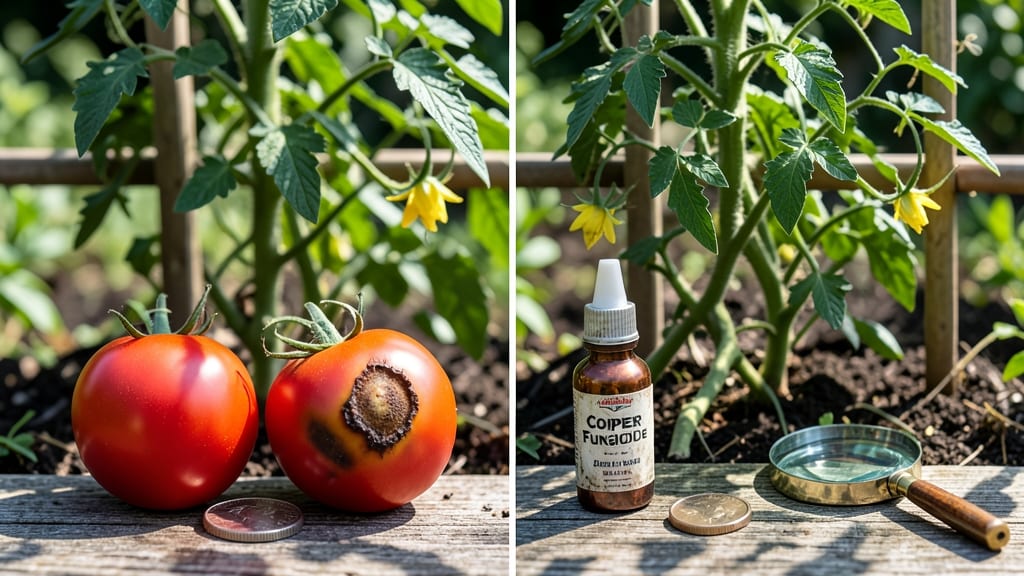
Dark spots on your tomato fruit mean one thing: it's time to act before the blight spreads. 🌱 I've battled this exact problem—turning my once-pristine tomatoes into a sad, spotted mess—until I learned these three simple steps that actually work.
The key is catching it early, so don't wait until half your harvest is ruined.
Most dark spots come from fungal diseases like early blight or late blight, but they can also be sunscald or even calcium deficiency. The good news? All of them respond to the same basic fixes: better airflow, proper watering at the base (never overhead), and removing affected fruit immediately.
I've saved entire plants using just these methods.
Within a week of proper care, new growth stays clean, and existing spots stop spreading. Your tomatoes will go from looking sad and spotted to vibrant and productive again. The secret is consistency—don't skip a single step, and you'll be back to harvesting perfect fruit in no time.
Works for both garden beds and containers, and the fixes apply to peppers and eggplants too. Let's turn those spots into a thing of the past!
Root Causes of Tomato Blemishes
Dark spots on your tomatoes aren’t just cosmetic—they’re often a cry for help from your plants. Understanding the why behind these blemishes is the first step to fixing them. Below, we break down the most common culprits, from environmental stressors to sneaky pathogens, with clear explanations and actionable insights.
When temperatures soar, your tomatoes can develop sunburn-like dark spots, especially on exposed sides.
This happens because: - Excessive UV exposure damages cell walls, causing necrotic (dead tissue) spots that appear brown or black. - High daytime temps (above 90°F/32°C) combined with low humidity create a perfect storm for stress. - Variegated or hairy leaves (common in heirloom varieties) trap heat, worsening the issue.
How to spot it: Look for irregular, sunken patches on fruit facing the sun. The spots may feel dry or leathery to the touch.
Water isn’t just life-giving—it can also be a villain when mismanaged. Two key issues lead to dark spots:
1. Overhead Watering & Splatter
- Fungal spores (like Alternaria or Phytophthora) hitchhike on water droplets, landing on tomatoes and causing target-like spots that expand over time.
- Splashing soil can introduce bacterial speck (Pseudomonas syringae), creating tiny, dark, oil-like lesions.
2. Uneven Moisture (Dry Edges)
- Blossom-end rot (a calcium deficiency) often starts as a dark, sunken spot at the tomato’s base but can spread if moisture fluctuates wildly.
- Drought stress followed by sudden watering causes cracking and dark streaks as cells struggle to adjust.
How to spot it:
- Fungal spots often have concentric rings or fuzzy mold.
- Bacterial spots appear raised with water-soaked edges.
- Blossom-end rot is usually one large, leathery spot near the stem end.
Fungi thrive in warm, humid conditions and can turn your tomatoes into a spotted, unsellable mess. The top offenders:
| Fungus | Appearance | Trigger Conditions | Red Flag |
|---|---|---|---|
| Early Blight | Concentric rings, tan/brown centers | High humidity, temps 75–85°F (24–29°C) | Spots start on lower leaves, then fruit. |
| Late Blight | Greasy, dark spots with white mold | Cool nights (50–60°F/10–15°C), wet foliage | Spreads rapidly; looks like oil. |
| Alternaria Leaf Spot | Small, dark spots with yellow halos | Hot, dry weather followed by rain | Affects leaves first, then fruit. |
How to spot it:
- Early blight starts on older leaves before moving to fruit.
- Late blight appears suddenly and can kill plants in days if unchecked.
- Alternaria causes tiny, scattered lesions that merge over time.
Bacteria like Xanthomonas and Clavibacter cause oozing, dark spots that worsen with rain. Key signs:
- Water-soaked lesions that turn dark and crusty.
- Yellow halos around spots (a classic bacterial giveaway).
- Sticky, slimy residue (bacterial ooze) in humid conditions.
How to spot it:
- Spots increase in size quickly and may merge.
- Prune infected leaves—you’ll see blackened veins spreading.
Tomatoes are hungry divas, and when they lack key nutrients, dark spots can appear:
- Calcium Deficiency (Blossom-End Rot):
- Symptom: Large, sunken, dark spot at the blossom end (opposite the stem).
- Why? Calcium helps cell walls stay strong. Hot, dry soil or over-fertilizing with nitrogen blocks calcium uptake.
- Magnesium Deficiency (Interveinal Chlorosis):
- Symptom: Yellowing between veins on leaves, leading to necrotic spots on fruit.
- Why? Poor soil drainage or high pH locks out magnesium.
- Potassium Deficiency:
- Symptom: Dark, necrotic edges on leaves/fruit, especially in older growth.
- Why? Potassium regulates water and disease resistance. Overwatering or leaching washes it away.
How to spot it:
- Blossom-end rot is always at the fruit’s base.
- Magnesium issues start on older leaves, then spread.
- Potassium problems show as scorched-looking edges.
Fix Dark Tomato Spots Fast
Dark spots on your tomatoes don’t have to mean the end of your harvest—with the right approach, you can restore your plants and prevent future outbreaks. The key is identifying the root cause and acting swiftly.
Below, we break down practical solutions tailored to each common trigger, from fungal infections to environmental stressors. Follow these steps to save your tomatoes and keep your garden thriving!
If your tomatoes are covered in dark, sunken spots (especially with a fuzzy or moldy texture), you’re likely dealing with a fungal disease like early blight, late blight, or Alternaria. These thrive in warm, damp conditions, so act fast to stop the spread.
🔥 Step 1: Remove Infected Fruit Immediately
- 🍅 Pick off all spotted tomatoes—don’t leave them on the vine or compost pile (fungi can survive there).
- 🗑️ Dispose of them in a sealed trash bag (not your compost bin) to prevent reinfection.
- ✂️ Prune any leaves with dark spots or yellowing edges, especially near the soil. Use sterilized pruners (wipe with rubbing alcohol between cuts) to avoid spreading spores.
🍳 Step 2: Apply a Fungicide Treatment
- 💡 Organic option: Mix 1 tbsp baking soda + 1 tsp dish soap + 1 gallon water in a spray bottle. Spray both sides of leaves and the stems in the morning (avoid spraying flowers to protect pollinators). Reapply every 7–10 days or after rain.
- 🌱 Chemical option (for severe cases): Use a copper-based fungicide (like Bordeaux mixture) or a chlorothalonil product (follow label instructions). These are more aggressive but effective for stubborn infections.
🌡️ Step 3: Improve Airflow & Dry Conditions
Fungi love humidity—reduce their playground with these tweaks:
- 🌿 Space plants 18–24 inches apart (crowding traps moisture).
- 💨 Use a fan on low speed near plants for 1–2 hours daily to improve airflow.
- 🌧️ Water at the base (not overhead) in the early morning so leaves dry quickly.
- 🌱 Mulch with straw (not wet hay) to keep soil dry and block spore-splashing from rain.
🎯 Prevention for Next Season
- 🌱 Rotate crops: Don’t plant tomatoes (or nightshades like peppers/eggplants) in the same spot for 3–4 years.
- 💡 Start with resistant varieties: Try ‘Mountain Merit,’ ‘Defiant PhR,’ or ‘Bush Early Girl’—they’re bred to fight blight.
- 🌱 Soil prep: Add compost and mycorrhizal fungi to boost plant health. Healthy plants fight disease better!
If spots are dry, crispy, and only on sun-exposed sides, your tomatoes are suffering from sunscald—common in greenhouses or hot climates.
👨🍳 Step 1: Provide Shade (Temporary Fix)
- 🏠 Use shade cloth (30–50% coverage) over plants during peak sun (10 AM–4 PM).
- 🌿 Plant near taller crops (like corn or sunflowers) to naturally block harsh rays.
- 🍅 For greenhouses: Install whitewash on the inside of the roof to reflect light.
🥘 Step 2: Harvest Early or Use Cages
- 🍅 Pick tomatoes early (when they’re still firm but starting to ripen) and let them finish ripening indoors.
- 🏗️ Use tomato cages or stakes to keep leaves off the ground, improving airflow and reducing stress.
🌡️ Step 3: Water Deeply & Consistently
- 💧 Water deeply 1–2 times per week (not daily shallow watering) to prevent stress.
- 🌱 Mulch heavily with straw or grass clippings to retain moisture and cool roots.
🎯 Long-Term Solutions
- 🌱 Choose heat-tolerant varieties like ‘Heatmaster’ or ‘Solar Fire’ for hot climates.
- 🌿 Avoid over-fertilizing with nitrogen—it encourages leafy growth that blocks airflow.
Dark spots can also appear from overwatering, nutrient deficiencies, or physical damage. Here’s how to fix it:
💧 Overwatering or Poor Drainage?
- 🌱 Check soil moisture: Stick your finger 1 inch deep—if it’s soggy, cut back on water.
- 🏗️ Improve drainage: Amend soil with perlite or compost to prevent waterlogging.
- 🍅 Use drip irrigation instead of sprinklers to keep leaves dry.
🍅 Nutrient Deficiency (Especially Calcium)?
- 📊 Test your soil (a simple DIY kit works) to check for low calcium or magnesium.
- 💡 Fix it fast: Sprinkle crushed eggshells or crushed oyster shell around the base (rich in calcium).
- 🌱 Feed with Epsom salt (1 tbsp per gallon of water) if magnesium is lacking.
🔪 Physical Damage (Hail, Wind, or Pests)?
- 🛡️ Protect plants with row covers during storms or hail forecasts.
- 🐛 Check for pests (like hornworms or aphids) that can cause dark spots from chewing. Spray with neem oil or introduce ladybugs for natural control.
💡 Pro Tip: Keep a gardening journal to track when spots appear, weather conditions, and treatments. This helps you spot patterns and adjust your approach next season!
Frequently asked questions
Can I still eat tomatoes with dark spots?
It depends on the cause! If spots are from sunscald (dry, sunken patches), the unaffected parts are safe to eat. For fungal blight (moldy or expanding spots), remove the fruit immediately—don’t compost it! When in doubt, peel and discard spotted areas or use for cooking (like sauces) where heat kills pathogens.
Will copper spray stop dark spots from spreading?
Yes, but timing is critical. Copper fungicides work best when applied preventatively (every 7–10 days) or at the first sign of spots. For existing infections, combine copper with removing infected fruit and improving airflow—copper alone won’t fix poor garden hygiene. Reapply after rain to maintain protection.
Why do my container-grown tomatoes get spots more often?
Containers accelerate problems because they dry out faster and retain less moisture in roots, leading to stress. The biggest culprits are: overwatering (causing root rot), nutrient deficiencies (from limited soil volume), and poor airflow (crowded pots trap humidity). Use larger containers (5+ gallons), drip irrigation, and lightweight potting mix with added compost.
How can I tell if dark spots are from disease vs. sunscald?
Check these key differences: Disease spots often have fuzzy mold, concentric rings, or oozing, while sunscald looks dry, leathery, and only on sun-exposed sides. Also, disease spots spread upward from leaves, whereas sunscald appears randomly on fruit. Test with your finger—disease spots may feel soft or slimy, while sunscald feels crispy.
Is baking soda really effective for tomato spots?
Absolutely—it’s a budget-friendly fungicide that works by raising the leaf surface pH, making it inhospitable to fungal spores. For best results, mix 1 tbsp baking soda + 1 tsp dish soap + 1 gallon water and spray both leaf sides in the morning (avoid flowers). Reapply every 7–10 days or after rain. It’s not as strong as copper but safe for organic gardens and pollinators when used correctly.