
Blooming
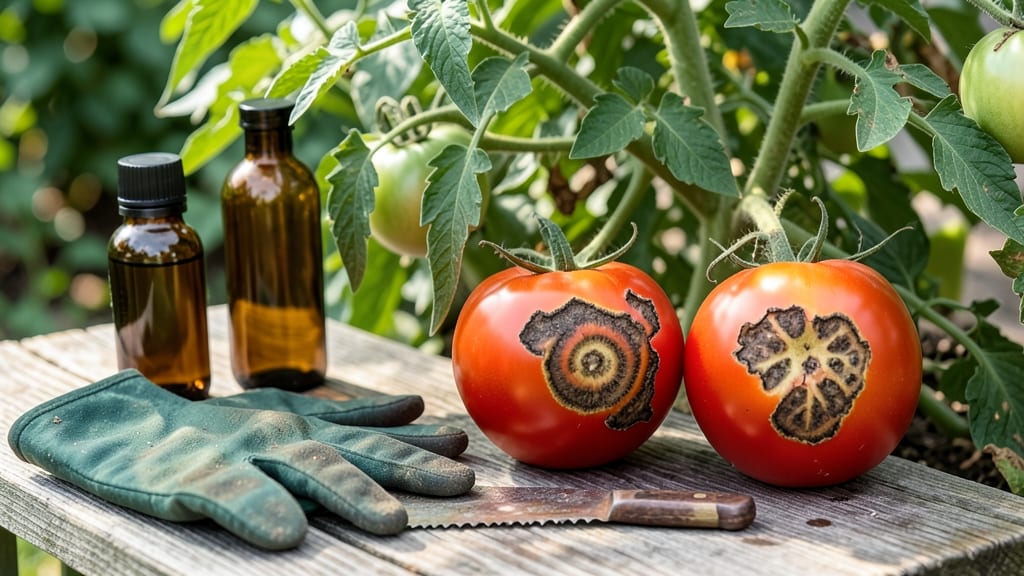
Your tomatoes are showing those telltale dark, sunken spots—anthracnose in tomato fruit is a stubborn fungal foe, but it doesn’t have to ruin your harvest. 🌱 I’ve battled this same issue in my backyard garden, and I’ve learned which organic sprays actually work when store-bought solutions fall short.
The key isn’t just treating the symptoms—it’s stopping the fungus before it spreads further.
This disease thrives in warm, humid conditions, and once it takes hold, it can turn your prized tomatoes into a mushy mess. The good news? Copper-based sprays, neem oil, and baking soda mixtures can turn the tide if applied correctly.
I’ll walk you through the exact sprays I use, when to apply them, and how to protect your plants moving forward—no chemical overload needed.
By the end of this, you’ll know how to identify early signs, choose the right spray for your situation, and even save your existing fruit from further damage.
The goal isn’t just to clean up the current infection but to set your garden up for a disease-free harvest next season. Let’s get those tomatoes back on track.
Whether you’re growing in raised beds, containers, or straight in the ground, these methods adapt easily. The secret? Consistency in prevention and quick action when you spot the first signs. You’ve got this—your garden deserves better tomatoes than anthracnose can deliver.
Root Causes Of Tomato Fruit Rot
Anthracnose in tomato fruit isn’t just a random bad luck scenario—it’s a perfect storm of environmental, biological, and agricultural factors working against your plants. Understanding these triggers is the first step to stopping the disease before it ruins your harvest.
Below, we break down the real culprits behind this stubborn fungal infection, so you can target them like a pro.
Anthracnose thrives in warm, wet conditions, making it a common villain in humid climates or during rainy seasons. Here’s why:
- High humidity (80%+): Fungal spores love moisture—they germinate and spread rapidly when tomato fruit surfaces stay damp for extended periods. Think morning dew, overhead irrigation, or poor air circulation.
- Temperatures between 77–86°F (25–30°C): This is the sweet spot for the fungus Colletotrichum to colonize. Hotter days with cooler nights create condensation on fruit, giving spores a foothold.
- Rain or overhead watering: Splashing water from soil to leaves or fruit propels spores directly onto wounds or ripe tomatoes, accelerating infection.
💡 Pro Tip: If your area is prone to high humidity, organic copper sprays applied at dusk can create a protective barrier before spores take hold.
Anthracnose doesn’t just appear out of nowhere—it needs an invitation. Weakened or injured tomato fruit is its favorite entry point. Common culprits include:
- Physical wounds: Hail, bird pecks, or rough handling during harvest create microscopic tears in the fruit’s skin, giving spores a direct path inside.
- Insect activity: Fruitworms, aphids, or even spider mites can chew into tomatoes, leaving behind perfect infection sites.
- Poor pollination: Blossom-end rot (from calcium deficiency) or cracked fruit weakens the skin, making it easier for spores to penetrate.
- Overripe or bruised fruit: As tomatoes soften, their natural defenses drop, and the fungus feasts on the sugars and nutrients.
🎯 Actionable Fix: Inspect fruit regularly for any signs of damage—even small dents—and remove affected tomatoes immediately to prevent spore spread.
The anthracnose fungus (Colletotrichum coccodes) is everywhere—in soil, plant debris, and even on healthy-looking leaves. Here’s how it sneaks into your garden:
- Surviving in soil and mulch: Spores can hibernate in old plant residue, compost, or infested mulch for years, waiting for the right conditions to wake up.
- Wind and water dispersal: A single infected tomato can release thousands of spores, which hitch rides on wind, rain, or even garden tools to new plants.
- Contaminated tools or hands: Pruners, gloves, or even your fingers can transfer spores from infected to healthy plants if not sanitized.
✨ Prevention Hack: Solarize soil in late summer (cover with clear plastic for 4–6 weeks) to kill dormant spores before planting. Rotate crops yearly to starve the fungus of its favorite hosts.
Stagnant air is like a fungal spa—it traps moisture, heat, and spores right where your tomatoes live. Common offenders:
- Overcrowded plants: Bushes too close together create microclimates with high humidity and poor airflow, perfect for spore germination.
- Thick canopies: Tall indeterminate tomato varieties with dense foliage shield fruit from drying out, keeping surfaces damp longer.
- Shady or enclosed spaces: Greenhouses, polytunnels, or even patios with little ventilation amplify humidity problems.
🌬️ Quick Fix: Prune plants to open up the canopy, stake vines for better airflow, and avoid watering overhead. If growing in containers, space them 18–24 inches apart.
🔥 Key Takeaway: Anthracnose doesn’t pick one cause—it’s usually a combo of humidity, damage, spores, and poor airflow. The good news? You can disrupt every step with smart organic strategies.
How to Fix Fungal Fruit Flaws
Fungal diseases like anthracnose can turn your lush tomato harvest into a disappointing mess—but don’t worry! With the right strategies, you can reverse the damage, protect future crops, and enjoy healthy, blemish-free tomatoes.
Below, we’ve mapped out practical, organic solutions tailored to the root causes of anthracnose, from preventive care to emergency fixes.
---
The best defense is a strong offense. Anthracnose thrives in moisture, poor airflow, and stressed plants, so proactively blocking these conditions is key.
#### 💡 H3: Optimize Planting & Garden Layout - Space plants 18–24 inches apart to improve airflow and reduce humidity around leaves and fruit. - Avoid overhead watering—use drip irrigation or soaker hoses to keep foliage dry. 💧 - Plant tomatoes in raised beds if your soil drains poorly, or add compost to improve drainage. - Rotate crops—never plant tomatoes (or other nightshades like peppers/eggplants) in the same spot two years in a row.
#### 🌡️ H3: Manage Moisture & Humidity - Water in the morning so foliage has 6+ hours of sunlight to dry completely. - Prune lower leaves (up to 12 inches from the ground) to prevent splashing water onto fruit. ✂️ - Use mulch (straw, grass clippings, or wood chips) to keep soil moist but prevent leaf wetness. - Avoid dense canopies—prune suckers and thin vines to let sunlight and air circulate.
#### 🛡️ H3: Strengthen Plant Immunity - Feed tomatoes with compost tea or fish emulsion (1:10 dilution) every 2–3 weeks for phosphorus and potassium, which boosts disease resistance. - Sprinkle beneficial fungi like Trichoderma harzianum (available as organic powders) to outcompete anthracnose spores. - Use neem oil (1%) or baking soda spray (1 tbsp baking soda + 1 tsp dish soap + 1 gallon water) weekly as a preventive fungicide.
---
If you already see dark sunken spots or cracked fruit, act fast with these organic treatments to slow spread and salvage what you can.
#### 🍳 H3: DIY Fungicidal Sprays (Test on a Few Leaves First!) | Solution | How to Use | Frequency | |----------------------------|-------------------------------------------------------------------------------|-----------------------------| | Copper Soap Spray | Mix 1 tbsp copper sulfate + 1 tsp liquid soap + 1 gallon water.
Spray early morning. | Every 7–10 days | | Milk Spray (Lactobacillus) | 1 part milk + 9 parts water (raw or pasteurized).
Spray evenly. | Every 5–7 days | | Garlic & Chili Pepper Spray | Blend 4 garlic cloves + 1 tbsp cayenne + 1 quart water.
Strain & spray. | Every 10 days | | Hydrogen Peroxide (3%) | Mix 1 tbsp 3% H₂O₂ + 1 quart water. Spray directly on lesions. | Every 3–4 days (rotate) |
⚠️ Pro Tip: Always spray under leaves (where spores hide) and avoid spraying in direct sunlight (can burn foliage).
#### 🔪 H3: Remove & Dispose of Infected Fruit - Pick all infected tomatoes immediately—don’t let them rot on the vine. - Compost only if disease-free—if fruit is severely cracked or oozing, throw it in the trash (not compost, where spores can survive). - Sterilize pruners with rubbing alcohol between cuts to prevent cross-contamination.
#### 🏥 H3: Revive Stressed Plants - Reduce watering if soil is soggy—anthracnose worsens in overly wet conditions. - Apply a seaweed extract spray (like Maxicrop) to stress-relieve plants and improve resilience. - Move potted tomatoes to a sunnier, drier spot if possible.
---
Once you’ve saved this year’s crop, set yourself up for success in the future with these game-changing habits:
#### 💡 H3: Soil & Seed Preparation - Solarize soil in late summer: Cover beds with clear plastic for 4–6 weeks to kill fungal spores in the heat. - Soak seeds in neem oil (1 tsp/quart water) for 1 hour before planting to prevent early infection. - Plant resistant varieties like ‘Mountain Merit’, ‘Defiant PhR’, or ‘Bush Early Girl’ (check seed packets for anthracnose resistance).
#### 🎯 H3: Post-Harvest Cleanup - Remove all tomato debris (vines, leaves, stems) from the garden after harvest. - Sterilize tools and containers with bleach (1:10 ratio) or boiling water. - Rotate to a non-nightshade crop (like beans, lettuce, or carrots) next season.
--- Final Thought: Anthracnose doesn’t have to be a harvest killer—with consistent prevention, quick action, and organic sprays, you’ll be back to enjoying plump, disease-free tomatoes in no time! 🍅✨
Frequently asked questions about tomato fruit rot
What do early signs of anthracnose look like on tomato plants?
Start by checking for tiny, dark brown or black spots on green fruit—these are the first signs. As the disease progresses, these spots develop into sunken, circular lesions that may ooze a pinkish liquid. On leaves, you’ll see yellow halos around brown spots. The key is catching these early, before the fungus spreads to more fruit.
Can I still eat tomatoes with anthracnose?
Only if the damage is minimal and the rest of the tomato is firm and healthy. Cut away the infected areas with a sterilized knife, but avoid eating fruit with deep cracks or extensive rot. When in doubt, compost or discard severely affected tomatoes to prevent further spread—never compost infected fruit if it’s oozing or moldy.
How often should I apply organic sprays to prevent anthracnose?
For best results, spray every 7–10 days during peak growing season (when humidity is high). Use a copper-based spray or neem oil mixture in the early morning or evening to avoid leaf burn. If you’ve had past infections, start spraying preventively at planting time and continue until harvest.
Will crop rotation really help if my garden is small?
Even in small spaces, rotate crops by planting non-nightshade vegetables (like beans, lettuce, or carrots) in the same area next season. The anthracnose fungus survives in soil for years, so breaking the cycle with different plants starves it out. If space is tight, consider container gardening for tomatoes to isolate them from previous planting spots.
Why does my tomato fruit get infected even when I water at the base?
Overhead watering isn’t the only way spores spread—high humidity and poor airflow create the perfect conditions. Check for overcrowded plants or dense foliage that traps moisture. Prune lower leaves to improve airflow, and consider drip irrigation or soaker hoses if you’re using overhead systems. Even morning dew can be enough if humidity stays high.