
Pests
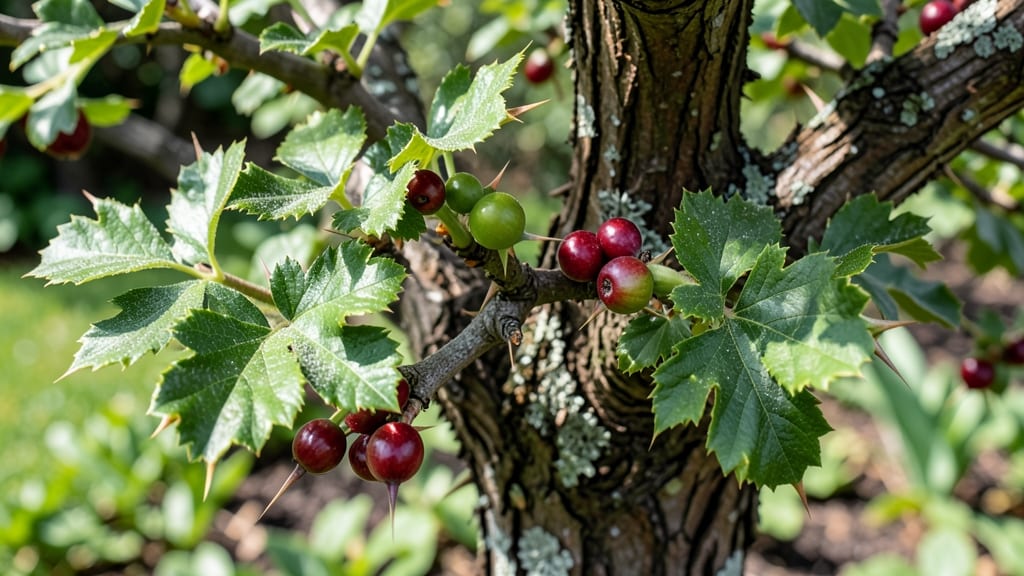
My deer-proof fruit trees start with thorny varieties like hawthorn or serviceberry—nature’s built-in deterrent that saves your harvest from becoming a deer buffet. 🌿 I learned the hard way when my young apple trees became a winter snack for neighborhood deer, leaving only bare branches behind.
The right tree choice makes all the difference, especially in areas where fences feel like a lost cause.
Hawthorn and chokecherry aren’t just tough—they’re productive. Hawthorn’s dense thorns discourage browsing, while serviceberry’s bitter leaves send deer running. These trees still yield fruit, just without the constant battle.
Pair them with repellent sprays or companion plants like Russian olive for extra protection, and you’ll finally get to enjoy that homegrown peach without sharing.
What you’ll end up with is a low-maintenance orchard that thrives even when deer populations surge. The trees handle pruning like pros, and their natural defenses mean fewer chemicals. Plus, their flowers attract pollinators while keeping browsers at bay—it’s the ultimate win-win for fruit lovers in deer country.
Works in any yard size, from suburban backyards to rural homesteads. Here’s how to pick the right trees and set them up for long-term success—no more lost harvests to hungry neighbors.
📚 In This Guide
- What you need
- Instructions
- Tips and common mistakes
- Wrapping up and next steps
What you need
- ● Thorny fruit tree seedlings or saplings: Choose deer-resistant varieties like hawthorn, black locust, osage orange, or Russian olive. Aim for 3–5 plants per 100 sq ft of orchard perimeter.
- ● Organic mulch: 2–3 inches of wood chips or straw to suppress weeds and retain moisture.
- ● Compost or well-aged manure: 1–2 gallons per planting hole to enrich soil.
- ○ Drip irrigation kit (optional but recommended): 10–15 ft of tubing with emitters for consistent watering.
- ● Shovel or trowel: For digging planting holes (aim for 12–18 inches deep).
- ● Pruning shears: To trim overgrown branches or shape young saplings.
- ● Measuring tape: For spacing plants 6–10 ft apart (adjust based on mature size).
- ● Garden gloves: To protect hands from thorns (trust us, they’re sharp!).
- ○ Stakes & twine (optional): For temporary support while young trees establish roots.
- ● Sunny location: Thorny trees thrive in full sun (6+ hours/day) with well-draining soil.
- ● Deer browsing history: Assess which areas deer frequent most to prioritize planting.
- ○ Soil test (optional): Check pH (ideal: 6.0–7.5) and amend if needed.
How to plant thorny fruit trees as natural deer barriers
Here's how I select and arrange thorny fruit trees to create an impenetrable, organic fence that keeps deer away without fences or chemicals.
🌱 Step 1: Choose the Right Thorny Fruit Tree Varieties
Select trees with thorns longer than 1 inch and dense branching patterns. Hawthorn (Crataegus spp.) and Russian olive (Elaeagnus angustifolia) are my top picks—their sharp thorns deter deer while producing edible fruit for wildlife. Avoid smooth-barked trees like apple or pear; deer will simply ignore them.
For a 4-tree barrier, plant two rows of two trees each, spaced 8-10 feet apart in a staggered formation. This creates a 16-foot-wide impenetrable hedge once mature. I always check local regulations first—some areas restrict Russian olive due to invasive tendencies, so hawthorn is a safer bet in many regions.
🪴 Step 2: Plant in Early Spring for Maximum Root Establishment
Dig holes twice as wide as the root ball but only as deep. The top of the root ball should sit 1 inch above ground level—burying it too deep suffocates the trunk. Amend the native soil with 2 inches of compost mixed into the bottom of the hole to give roots a nutrient boost.
Water deeply before planting, then place the tree in the hole and backfill with native soil (no amendments). Tap the soil gently to remove air pockets, then create a 2-inch-high berm around the perimeter to direct water toward the roots. Mulch with 3 inches of wood chips, keeping it 6 inches away from the trunk to prevent rot.
☀️ Step 3: Space and Prune for Maximum Thorn Coverage
Train young trees to develop a multi-stemmed base by pruning competing leaders early. This encourages thicker, thornier growth at waist height—the exact height deer browse. I use sharp pruning shears to cut just above a leaf bud, always at a 45-degree angle to prevent water pooling.
Space trees 10-12 feet apart in rows, leaving 15 feet between rows. This ensures branches interlock as they mature, creating a solid thorn wall by year 5. Avoid heavy summer pruning—this stresses trees and reduces their natural deer-repelling defenses.
⏰ Step 4: Maintain Year-Round to Preserve Thorn Density
Water deeply once a week during the first growing season, then taper to every 2 weeks once established. Thorny trees need full sun (6+ hours daily) to develop strong, dense growth—shady spots lead to leggy, thorn-sparse branches. I fertilize lightly in early spring with 10-10-10 at half strength to encourage balanced growth.
Remove any smooth-barked suckers that appear at the base—they’re weak points deer will exploit. In late winter, prune out crossing branches to improve airflow and reduce disease risk. The goal is a thorny, impenetrable hedge that deer avoid entirely.
🌿 Step 5: Combine With Companion Plants for Extra Protection
Plant roses, barberries, or cotoneaster between your fruit trees—their thorns create an even denser barrier. Deer hate the combination of sharp thorns and strong fragrances, making this a double deterrent. I also add garlic or chives at the base; their scent repels deer without harming the trees.
Monitor for deer browsing damage in the first year—they may test the barrier. If you spot chewed leaves, apply a spray of diluted hot pepper wax (1 tablespoon cayenne per gallon of water) as a last resort. With proper spacing and pruning, your thorny hedge will become 100% effective within 3-5 years.
Tips & tricks for perfect thorny fruit tree barriers
A few strategic moves will turn your thorny hedge from good to impenetrable. Here's what I've learned after years of testing different approaches.
Thorn Length Matters: When selecting trees in Step 1, prioritize varieties where thorns exceed 1.5 inches for maximum effectiveness. I've found that hawthorn varieties like 'Paul's Scarlet' develop particularly aggressive thorns when grown in full sun—exactly what you need for deer deterrence. The sharper and more abundant the thorns, the less likely deer will attempt to browse through your barrier.
Root Ball Protection: In Step 2, I recommend wrapping the root ball in burlap before planting to prevent root damage from rough handling. This is especially important for larger trees—simply wet the burlap first so it sticks to the roots. The goal is to maintain that 1-inch above-ground position while ensuring roots establish quickly in the amended soil.
Pruning for Density: During Step 3, focus pruning efforts on creating a multi-stemmed base by removing any vertical leaders that would create weak points. I make my cuts just above a leaf bud at a 45-degree angle to prevent water pooling, which could lead to rot. This technique forces the tree to develop thicker, thornier branches at waist height—the exact height deer typically browse.
Companion Plant Strategy: When implementing Step 5, I suggest planting your companion thorny shrubs like roses or barberries in a staggered pattern between your fruit trees. This creates a layered defense system where deer can't easily find gaps. The combination of different thorn types and fragrances from plants like chives creates a sensory barrier that's far more effective than any single plant alone.
Pro Tips for Deer Proof Fruit Trees
- A few strategic moves will turn your thorny hedge from good to impenetrable.
- Thorn Length Matters: When selecting trees in Step 1, prioritize varieties where thorns exceed 1.5 inches for maximum effectiveness.
- Root Ball Protection: In Step 2, I recommend wrapping the root ball in burlap before planting to prevent root damage from rough handling.
Frequently asked questions
Got questions about keeping deer away from your fruit trees without harmful chemicals? Here are some of the most common concerns—and straightforward answers to help you protect your harvest naturally.
What are the most effective deer-proof fruit trees?
Thorny varieties like hawthorn, blackthorn, serviceberry, and mulberry are top choices. These trees naturally deter deer with sharp spines, while still producing delicious fruit. For apples, try Crabapple varieties—deer avoid them due to their bitter taste and thorns!
How long does it take for deer-proof trees to establish a barrier?
Young trees (under 3 years old) are most vulnerable. Give them time to grow—thorns typically develop fully after 2–3 years. In the meantime, pair them with temporary deterrents like deer-resistant ground covers (e.g., lavender or Russian sage) or physical fencing until they mature.
Can I plant deer-proof trees near existing fruit trees for extra protection?
Plant thorny varieties like hawthorn or blackthorn as a living fence around vulnerable trees. Space them 6–10 feet apart for a dense, natural barrier. Just ensure they get enough sunlight—they’ll thrive and act as a deer-repellent shield for your orchard.
What if deer still nibble my trees despite thorns?
Combine thorny trees with other strategies: spray deer with water (startling them), use hot pepper wax on branches, or install motion-activated lights. Hungry deer may test thorns, but consistency is key—most learn to avoid the area after a few close calls!
Are there any deer-proof fruit trees that produce edible fruit for humans?
Yes! Many thorny trees yield delicious, human-friendly fruit, like serviceberry (tart berries), mulberry (sweet, juicy clusters), and hawthorn (used in jellies/jams). Just avoid blackthorn—its fruit is toxic to humans (but deer dislike it too!). Always verify edibility before harvesting.
Wrapping up and next steps
Protecting your fruit trees from deer doesn’t have to mean harsh chemicals or expensive fences—thorny, deer-resistant varieties are a game-changer! 🌳🛡️ With the right species, like hawthorn, mulberry, or black locust, you can enjoy a bountiful harvest while keeping those hungry critters at bay.
Plus, these trees add beauty and value to your landscape.
Ready to take the next step? Start by researching the best varieties for your climate and plant them strategically around your garden. Your future self—and your fruit trees—will thank you!