
Vegetables
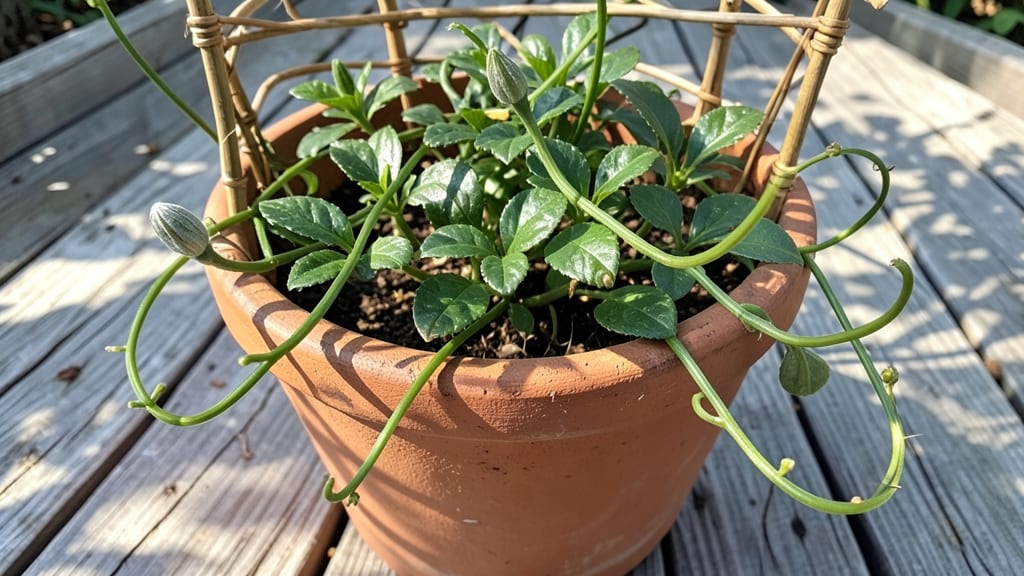
Passion fruit isn’t just one plant—it’s a diverse family of tropical vines producing everything from sweet pulp to tart gems. Discover these 10 unique varieties, their growing quirks, and how to coax the best harvests from your garden.
Purple Passion Fruit (Granadilla)
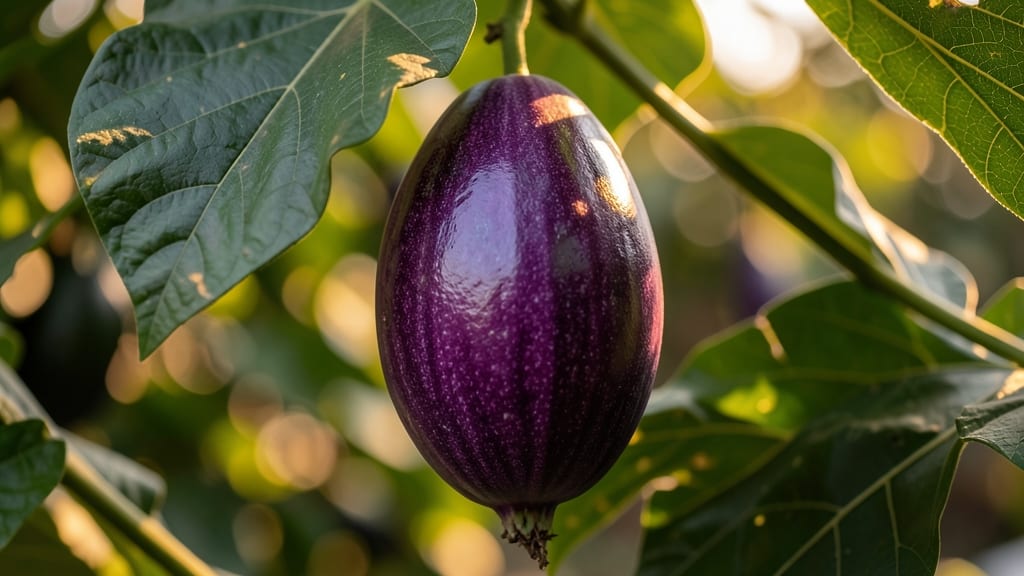
Looking for a passion fruit that’s as stunning as it is delicious? The purple passion fruit (Granadilla) delivers with its dramatic vibrant purple rinds and large, egg-shaped fruits—perfect for adding flair to your garden and kitchen. Native to South America, this variety thrives in warm climates and produces fruits that are sweeter and less acidic than their yellow counterparts, making them ideal for gourmet desserts and tropical cocktails.
To grow Granadilla, plant in well-draining soil with full sun exposure (6-8 hours daily) and provide a sturdy trellis, as its vines can grow up to 20 feet long. This variety is self-pollinating, but hand-pollinating with a small brush can boost fruit production. Keep the soil consistently moist but not waterlogged, and prune regularly to encourage airflow and larger fruit development.
Gardeners in USDA zones 9-11 will find this variety a standout, especially those who love experimenting with unique flavors. Its striking appearance and dual-purpose uses—both ornamental and culinary—make it a must-try for tropical gardeners. 🌟
Yellow Passion Fruit (Maracujá)
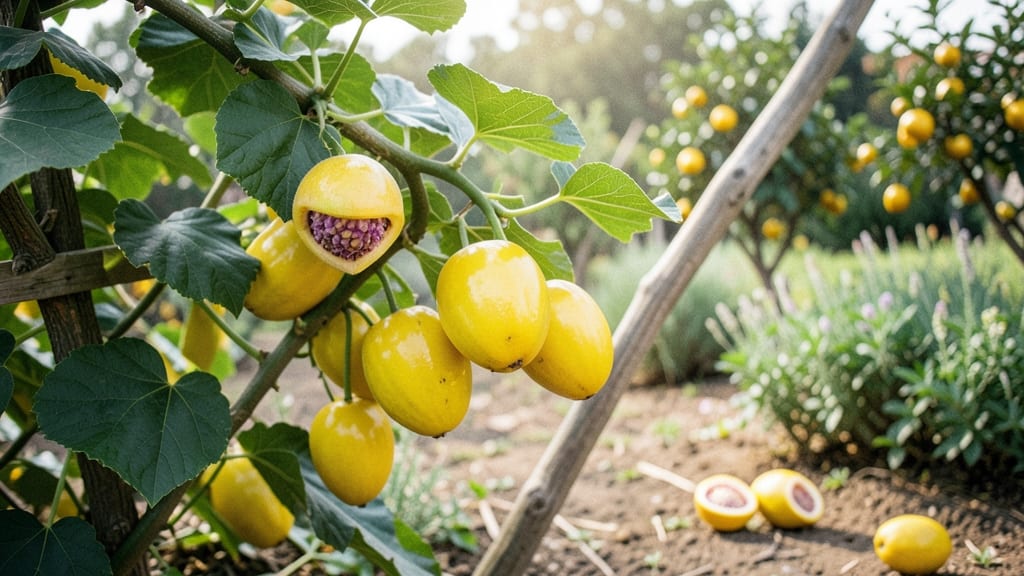
If you love a sweet-tart fruit that’s as versatile as it is delicious, yellow passion fruit (Maracujá) is the variety to grow. Unlike its purple cousin, this hardy plant thrives in slightly cooler climates, making it a favorite for commercial growers—and home gardeners who want reliable harvests.
This vine produces golden-yellow fruits packed with bright orange pulp, perfect for juices, smoothies, or fresh eating. It tolerates temperatures down to 50°F (10°C), giving it an edge over other passion fruit varieties. For best results, plant in well-draining soil with full sun (6-8 hours daily) and provide a sturdy trellis to support its vigorous growth.
Gardeners in USDA zones 8-11 will find this variety especially rewarding, as it’s less fussy about heat than other tropical passion fruits. With proper care, you’ll enjoy a bountiful harvest year after year—no tropical paradise required! 🌻
Banana Passion Fruit (Banana Kiwi)
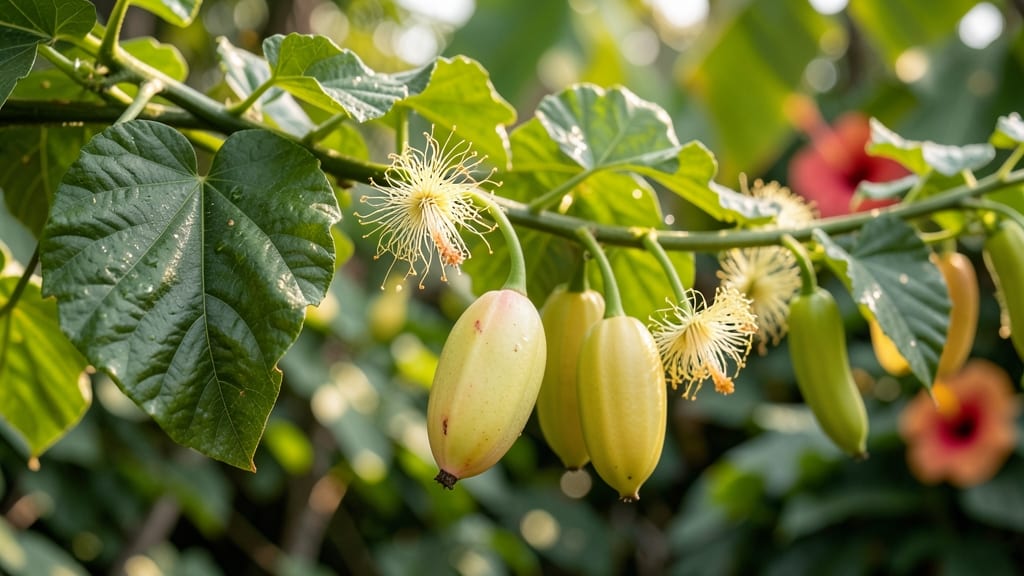
If you’ve ever dreamed of growing a passion fruit with a banana-like shape and a creamy, custardy texture, the banana passion fruit (Passiflora tripartita var. mollissima) is your ticket to a tropical garden standout. Unlike its tart cousins, this variety delivers a mild, sweet-tart flavor with minimal seeds—making it a chef’s favorite for fresh fruit salads and gourmet dishes.
This vine thrives in USDA zones 9-11 and needs full sun (6+ hours daily) with well-draining soil rich in organic matter. Unlike other passion fruits, its yellow, banana-shaped fruits ripen year-round in warm climates, and the vines are less aggressive, making them ideal for container growing in smaller spaces. Hand-pollinate with a soft brush if bees are scarce, and expect harvests in 4-6 months after planting.
Gardeners in cooler microclimates can grow it in large pots and overwinter indoors—perfect for urban balconies or greenhouses. The minimal-seed pulp is a game-changer for those who dislike chewing through seeds, and its versatile flavor pairs beautifully with citrus or coconut. 🌱
Giant Granadilla (Sweet Cup)
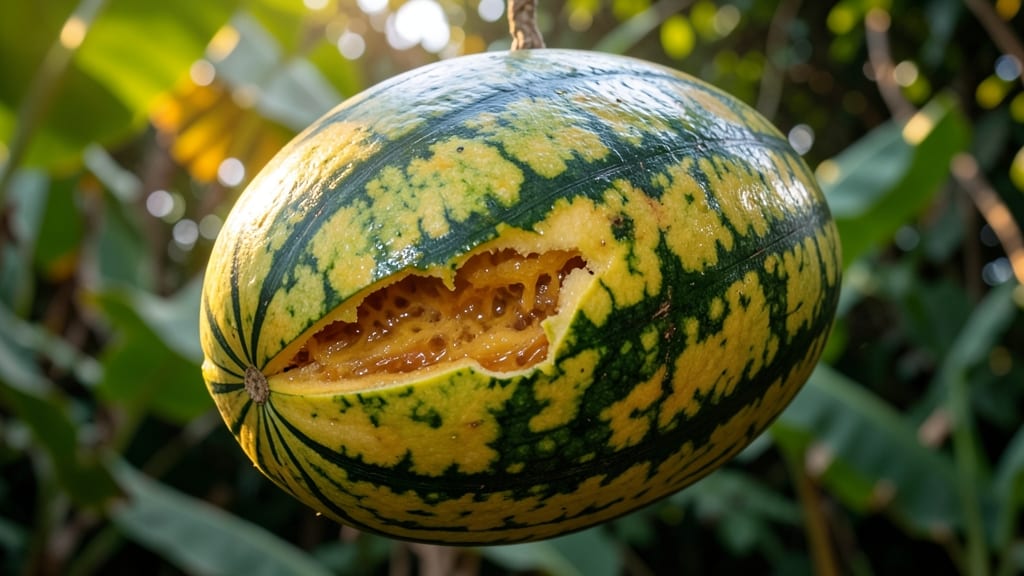
If you’ve ever dreamed of harvesting fruits the size of a small melon, the Giant Granadilla (Sweet Cup) is your answer. This isn’t your average passion fruit—it’s a tropical giant, with fruits weighing up to 2 pounds and a pulp so sweet and jelly-like, it’s perfect for homemade preserves or tropical-inspired treats.
Native to South America, this vigorous vine thrives in full sun (6-8 hours daily) and warm climates (USDA zones 9-11). Its purple-skinned fruits ripen in late summer to fall, and the vines can climb 15-20 feet if given a sturdy trellis. Unlike smaller varieties, Giant Granadillas are self-pollinating, making them easier to grow for fruit production without relying on bees.
Gardeners with space for a bold statement plant will love this variety—it’s ideal for those who want high-impact harvests and unique flavors. Just be prepared for the vines to spread aggressively! 🌟
Red Granadilla (Sweet Granadilla)
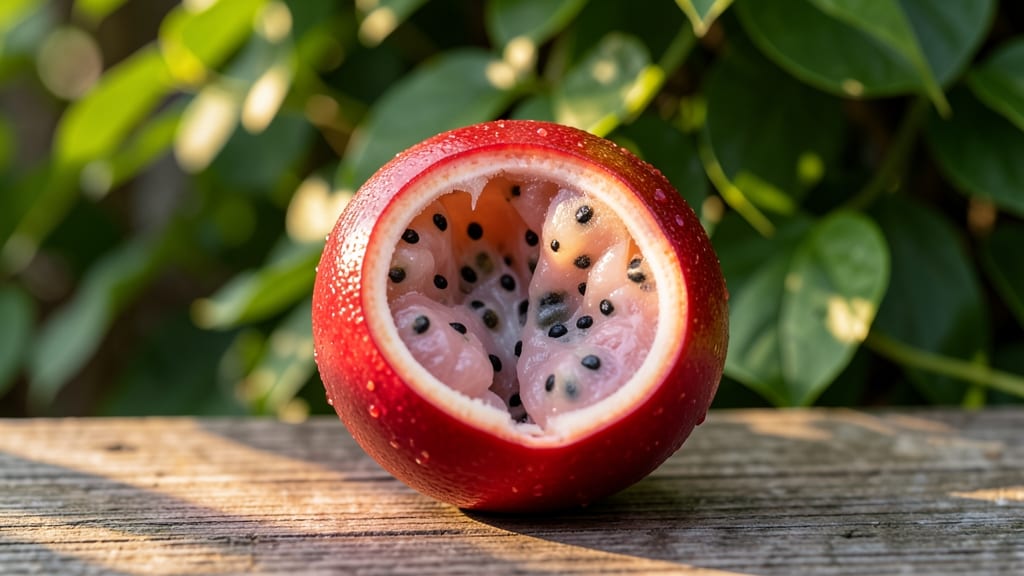
Tired of tart passion fruit that needs sugar to taste good? The red granadilla delivers a naturally sweeter, less acidic flavor that’s perfect for eating fresh or blending into smoothies without extra sweetener. Its vibrant red rind and pinkish flesh make it a standout in any tropical garden.
This variety thrives in full sun (6+ hours daily) and well-draining soil, making it ideal for warm climates (USDA zones 9-11). Unlike its purple cousin, the red granadilla produces fruits with a thicker, more edible pulp-to-seed ratio, reducing waste when juicing. Prune vines regularly to encourage airflow and prevent fungal issues.
Gardeners who love low-maintenance, high-reward crops will appreciate this variety—it’s perfect for small spaces or containers, and its sweetness makes it a hit with kids and health-conscious adults alike. 🌻
Sweet Passion Fruit (Passion Fruit Kiwi)
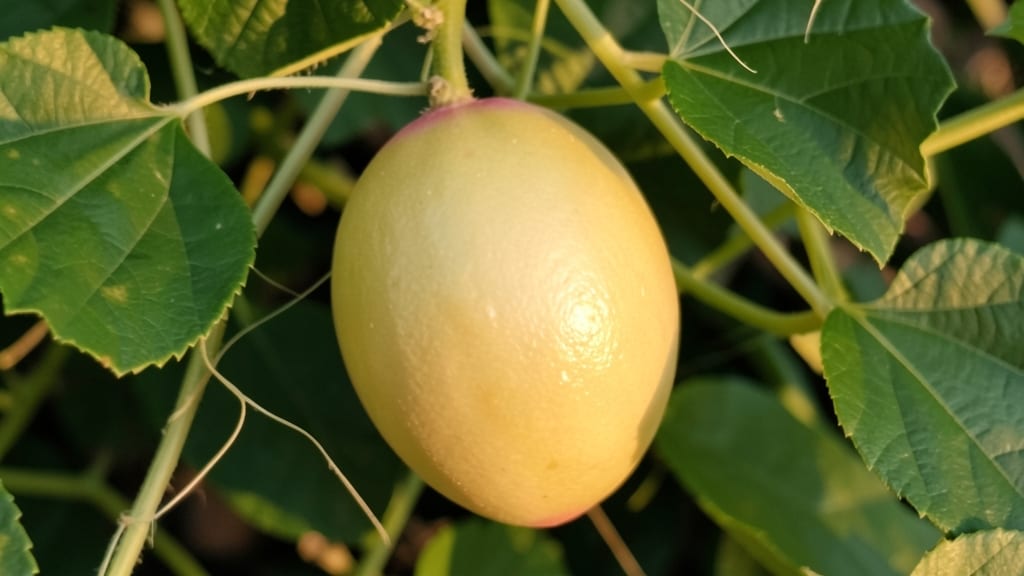
If you’ve ever wished for a passion fruit so sweet it could be eaten straight off the vine—especially by kids—this is your variety. The Sweet Passion Fruit (Passion Fruit Kiwi) is a hybrid bred specifically for its low acidity and mild, honey-like flavor, making it perfect for snacking or blending into smoothies without added sugar.
This variety thrives in containers, making it ideal for urban gardeners with balconies or patios. Plant in well-draining soil and provide full sun (6+ hours daily). The vines grow vigorously but can be pruned to control size, and they produce bright yellow fruits that ripen in about 6-8 months after planting. Unlike tart varieties, these fruits are ready to eat as soon as they turn golden.
Perfect for families or small-space growers, this variety turns your garden into a year-round fruit snack station with minimal effort. 🌻
Black Passion Fruit (Black Sapote)
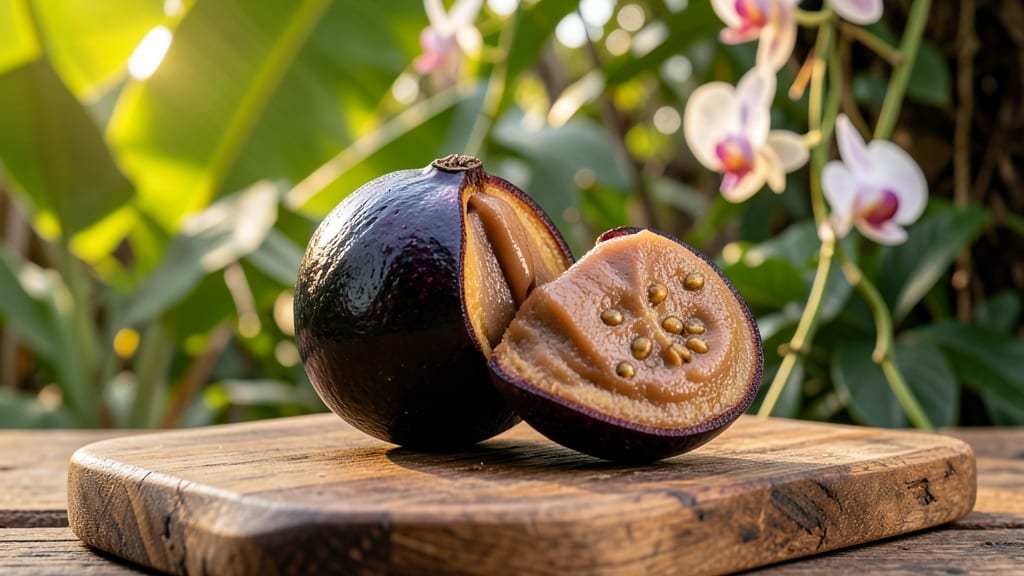
If you’ve ever been fooled by a black sapote labeled as passion fruit, you’re not alone—this tropical gem isn’t a true passion fruit but a close relative with a chocolatey custard surprise inside. Unlike its tart cousins, this variety thrives in warm climates and delivers a rich, dessert-worthy flavor perfect for puddings or baking.
The black sapote (Pouteria sapota) prefers full sun to partial shade and well-draining soil, making it ideal for tropical or subtropical gardens. Its glossy, dark purple-black fruit ripens to a creamy texture when fully mature, and the tree itself grows slowly but can reach 15-20 feet tall. Unlike passion fruit vines, it’s a small tree with a neat, manageable shape.
Gardeners who love unique edible landscaping will adore this plant—its striking fruit doubles as a conversation piece, while its low-maintenance nature makes it a great addition for those with limited time. Just remember: patience is key, as it can take 3-5 years before the tree bears fruit. 🌟
Golden Passion Fruit (Golden Maracujá)
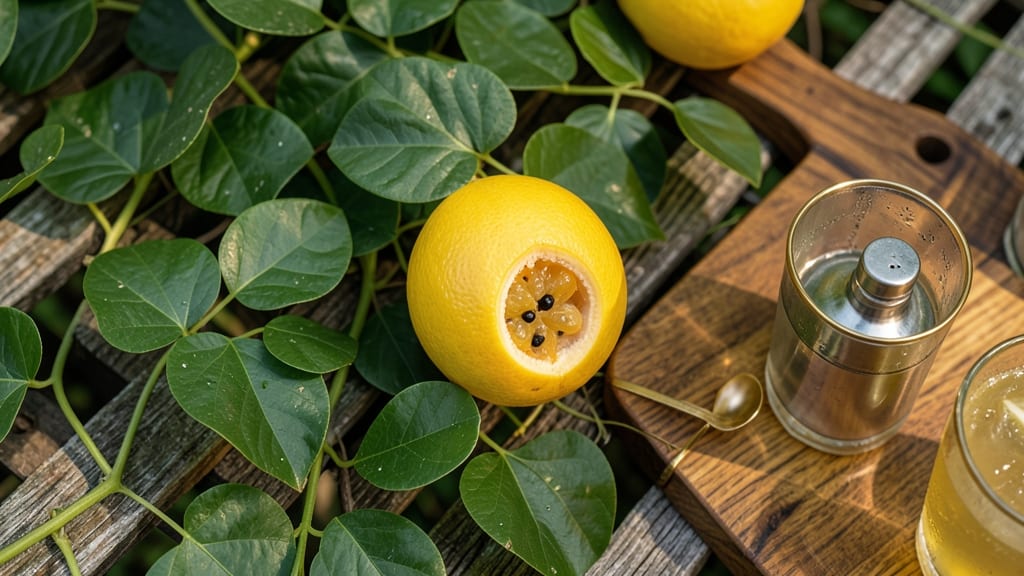
If you’re dreaming of a passion fruit vine that delivers luxury-level flavor without the usual tart bite, golden passion fruit (Golden Maracujá) is your answer. This rare variety boasts a golden-yellow rind and pulp so sweet it’s often reserved for high-end desserts and artisanal cocktails.
Unlike its more common yellow cousin, this variety thrives in warm, tropical climates but requires full sun (6+ hours daily) and well-draining soil to prevent rot. Prune aggressively after harvest to encourage bushier growth, and watch for hermaphroditic flowers—a sign of self-pollinating fruit. The fruits ripen to a deep golden hue, signaling peak sweetness.
Perfect for home mixologists or dessert chefs, this vine also excels in container gardening if given enough space. Just be patient—it takes 12-18 months to bear fruit, but the reward is worth it. 🌻
Tart Passion Fruit (Tartaruga)
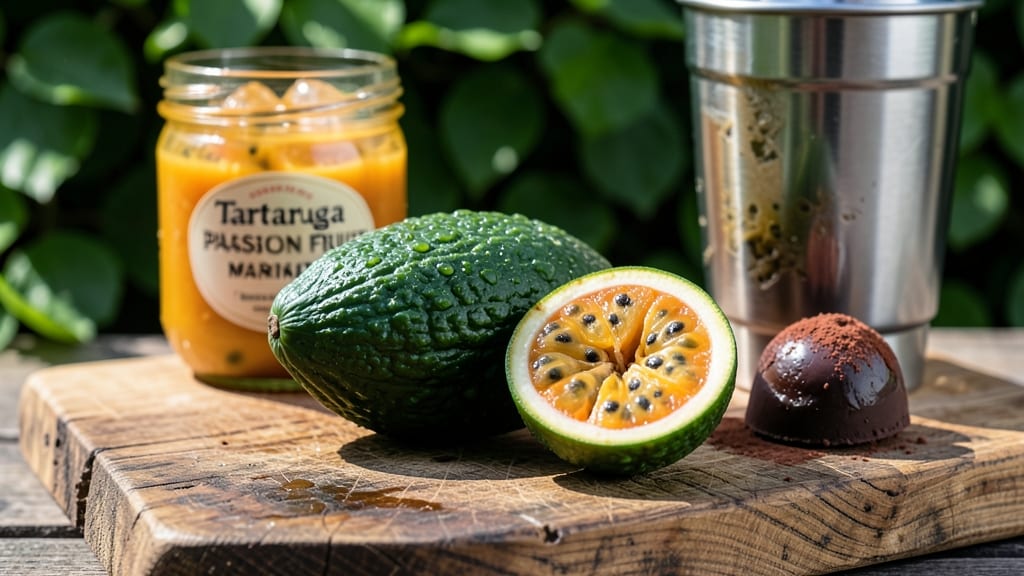
Looking for a passion fruit variety that packs a punch? The Tartaruga—or Tart Passion Fruit—is a Brazilian heirloom with a bold, tangy flavor that elevates marinades, cocktails, and even desserts like chocolate truffles. Unlike sweeter varieties, this one thrives on its sharp, citrusy notes, making it a standout for flavor-forward gardeners.
This vine produces small, deep purple fruits with thick, glossy rinds and a pulp that’s intensely tart yet aromatic. To grow it successfully, plant in well-draining soil and provide full sun (6+ hours daily)—it’s less frost-tolerant than yellow varieties but rewards patience with a prolonged harvest season (spring through fall in warm climates). Prune aggressively after fruiting to encourage bushier growth and more production.
Perfect for adventurous cooks or gardeners who love bold flavors, the Tartaruga is your secret weapon for balancing sweet and sour dishes. Try pairing its juice with dark chocolate or using it as a glaze for grilled meats. 🌟
Dwarf Passion Fruit (Mini Maracujá)

If you’ve ever dreamed of growing passion fruit but lack yard space, dwarf passion fruit (Mini Maracujá) is your answer. These compact vines stay under 3 feet tall, making them perfect for balconies, patios, or even sunny windowsills in large containers.
Unlike their sprawling cousins, these vines produce bite-sized fruits—think grape-sized yellow maracujás—with a concentrated sweetness that’s ideal for fresh snacking or cocktails. Plant them in well-draining soil and provide morning sun, and they’ll reward you with fruit in as little as 6 months. Prune regularly to encourage bushier growth and more clusters.
Urban gardeners and small-space enthusiasts will love how these vines thrive in 5-gallon pots, making them the easiest passion fruit to grow without sacrificing flavor. 🌻