
Blooming
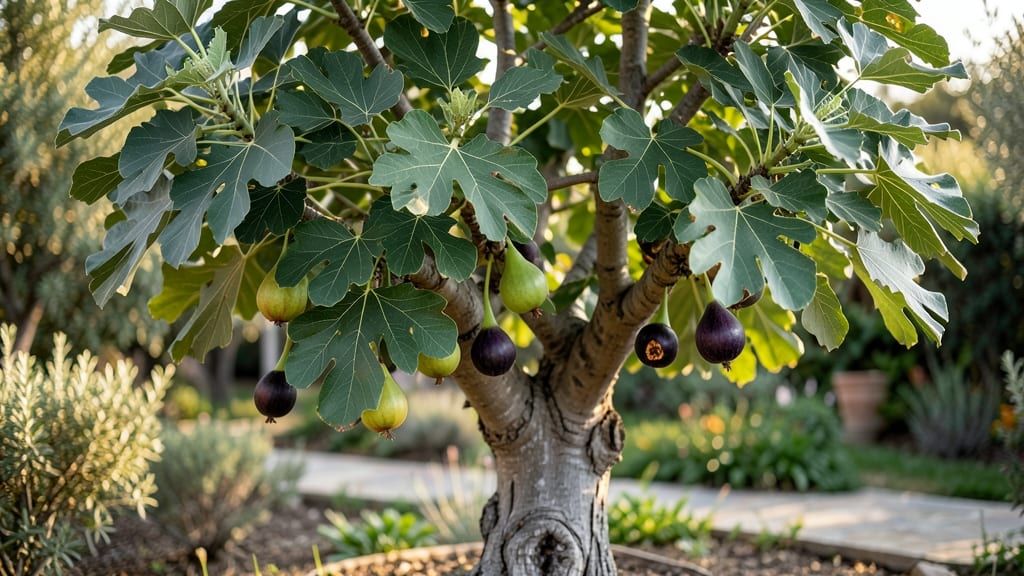
A fig tree typically takes 1 to 3 years to bear fruit from seed, though grafted trees may produce fruit in 1 to 2 years. Dwarf varieties often fruit faster, while standard trees may take up to 5 years in cooler climates, depending on sunlight, soil, and care.
Fig trees grown from seed can be a bit of a waiting game, as their fruiting timeline depends heavily on environmental factors and how well they establish themselves. 🌱 The first year is all about root development and leaf growth, while the second year focuses on building the tree's energy reserves.
Grafted trees, however, skip much of this foundational work—they're essentially mature trees in miniature, which is why they fruit so much faster. If you're in a cooler climate, consider selecting cold-hardy varieties like 'Chicago Hardy' to speed up the process.
Container-grown figs often bear fruit even sooner than ground-planted ones because their roots are less stressed, and you can control their environment more easily. For example, 'Celeste' is a popular choice for beginners because it typically fruits within 2-3 years and thrives in pots.
The key to accelerating fruiting is consistent care—regular watering, well-draining soil, and plenty of sunlight (at least 6-8 hours daily).
💡 In This Article
- Fig Tree Growth Stages: From Seed to First Fruit
- Fastest-Fruiting Fig Tree Varieties for Home Gardens
Fig tree growth stages: from seed to first fruit
The journey from fig seed to fruit-bearing tree begins with germination, which typically occurs within 2 to 4 weeks under ideal conditions. During this phase, the seedling's primary focus is developing a strong root system that can anchor it and absorb nutrients.
In warmer climates (USDA zones 8-11), this process accelerates, while cooler zones may see delayed germination due to slower metabolic activity in the seed.
Once sprouted, the first 6 to 12 months are critical for establishing the tree's structural framework. You'll notice rapid leaf growth as the tree photosynthesizes to build energy reserves. This vegetative phase is where proper sunlight (6+ hours daily) and well-draining soil become non-negotiable.
Fig trees grown in containers during this stage often develop slightly faster because their roots aren't competing with surrounding vegetation for resources.
The flowering stage begins around 12 to 24 months for seed-grown trees, though this can extend to 3+ years in cooler climates. Fig flowers are unique because they develop inside the fruit itself - what appears to be a flower is actually a small fig called a "prosyngium."
These early flowers often don't produce viable fruit as the tree focuses on establishing its reproductive capacity. The first true figs appear when the tree has sufficient energy reserves, typically in its second or third growing season.
Grafted fig trees bypass much of this developmental process because they're essentially mature trees attached to young rootstock. This is why they can fruit in as little as 1 year after planting.
The grafting process connects a mature branch (scion) with a young root system, immediately providing the tree with the genetic potential to produce fruit. This technique is particularly valuable for home gardeners who want quicker results, especially in cooler regions where seed-grown trees might struggle.
Temperature plays a crucial role in this timeline. Fig trees require 100-150 days of temperatures above 60°F (15°C) to complete their growth cycle. In areas with shorter growing seasons, selecting cold-hardy varieties like 'Chicago Hardy' can reduce the time to fruiting by 1-2 years compared to tropical varieties.
The tree's ability to store carbohydrates in its roots over winter also affects fruiting speed - healthier root systems mean faster recovery and earlier flowering in spring.
One often overlooked factor is the tree's response to pruning. Strategic pruning in late winter removes excess growth, redirecting the tree's energy toward fruit production. Young fig trees benefit from light pruning to maintain an open canopy that receives maximum sunlight.
This practice can shave off 6-12 months from the fruiting timeline by eliminating unnecessary vegetative growth.
Remember that while these are general timelines, individual trees may vary by ±6 months depending on growing conditions. Patience is key - the first fruits may be small and irregular, but each season brings improvement as the tree matures. 🌿