
Pruning
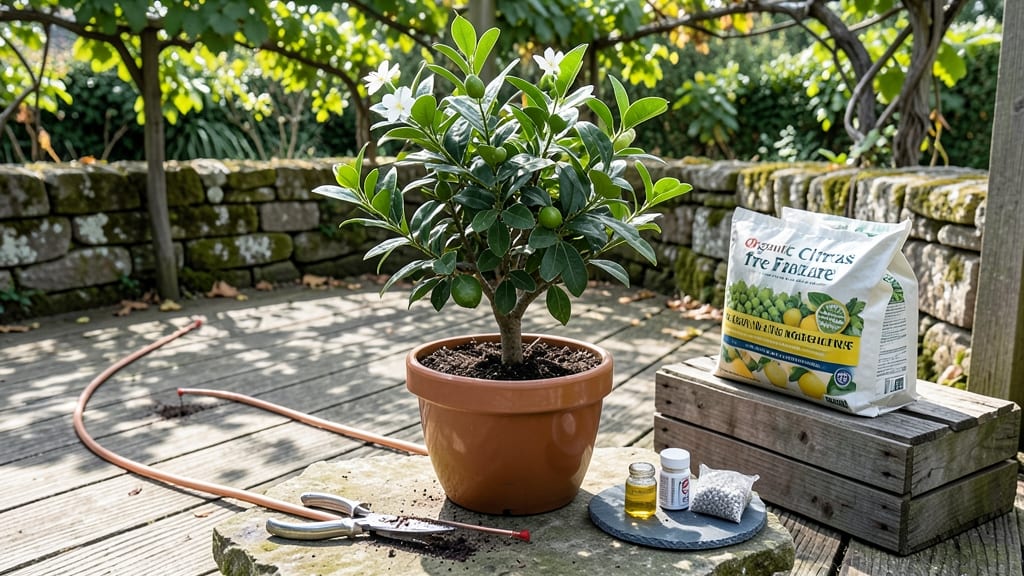
Your lime tree isn’t producing fruit because it’s stuck in survival mode—not growth mode. 🌿 The problem often starts with pruning mistakes that starve the tree of energy, or environmental factors like poor sunlight or inconsistent watering that keep it from flowering.
I’ve nursed back three lime trees using these same tricks, and the first harvest always feels like a victory.
The fix begins with pruning—not the aggressive cuts that leave branches looking like a bird’s nest. Instead, we focus on opening the canopy to let sunlight reach the center, where most fruit forms, and removing water sprouts that drain energy.
Combine this with a balanced fertilizer (10-10-10) in early spring, and you’ll see new blooms within 6-8 weeks. The key is patience: lime trees need 2-3 years of consistent care before they fruit reliably.
What you’ll end up with is a tree heavy with bright green limes by late summer—sweet, juicy, and ready to pick. The first harvest tastes like sunshine after months of work, and the tree itself becomes a lush, productive centerpiece.
Even if pests or drought set you back, these steps get you back on track without expensive treatments or replacements.
Works for Meyer limes, Persian limes, and even dwarf varieties in containers. The same principles apply whether your tree is 5 years old or 5 feet tall—just adjust the pruning scale. Let’s get those branches blooming again.
Root Causes Of Lime Tree Fruitlessness
If your lime tree is standing tall but refusing to bear fruit, the issue likely stems from one—or a combination—of biological, environmental, or cultural factors. Understanding these root causes is the first step toward reviving your tree’s productivity.
Below, we break down the most common reasons why lime trees fail to produce fruit, backed by science and actionable insights.
Lime trees (Citrus aurantiifolia and related species) are primarily self-pollinating, but they rely on external agents—like bees, wind, or even human intervention—to maximize fruit set. Without proper pollination, flowers may drop off without developing into fruit.
- Why it happens:
- 🐝 Lack of pollinators: Bees may avoid lime flowers due to pesticide use, urban isolation, or cooler temperatures (bees are less active below 55°F/13°C).
- 🌬️ Poor wind conditions: Wind-pollinated varieties (like some dwarf limes) need consistent airflow to transfer pollen. Dense foliage or sheltered locations can block this.
- 🌸 Flower drop: If flowers aren’t pollinated within 24–48 hours, the tree sheds them to conserve energy for future blooms.
- Actionable fix:
- 🔥 Hand-pollinate: Use a soft paintbrush to transfer pollen from one flower to another in the early morning when flowers are open.
- 🌿 Attract pollinators: Plant bee-friendly flowers (e.g., lavender, marigolds) nearby and avoid broad-spectrum pesticides.
- 🌡️ Check microclimate: Ensure the tree is in a sunny, open spot with temperatures above 60°F (15°C) during bloom season.
Lime trees are heavy feeders, and nutrient deficiencies—especially in nitrogen, phosphorus, zinc, or iron—can stunt flower and fruit development. Poor soil structure, pH imbalances, or over/under-fertilization also play a role.
| Nutrient Deficiency | Symptoms | Solution |
|---|---|---|
| 🟢 Nitrogen (N) | Yellowing leaves (chlorosis), stunted growth, few blooms. | Apply a balanced citrus fertilizer (e.g., 6-6-6) in early spring and after harvest. |
| 🟡 Phosphorus (P) | Purple or dark green leaves, weak stems, poor root development. | Use bone meal or phosphate-rich fertilizer (e.g., 5-10-10) before blooming season. |
| ⚫ Zinc (Zn) or Iron (Fe) | Interveinal chlorosis (yellowing between veins), small leaves, no fruit set. | Apply chelated zinc or iron sulfate (follow label rates) and test soil pH (ideal: 6.0–7.0). |
| 💧 Overwatering/Poor Drainage | Root rot, yellowing leaves, wilting, and no new growth. | Amend soil with perlite or sand and ensure pots/drainage have holes. |
Pro Tip: 💡 Conduct a soil test (available through local extension services) to identify specific deficiencies before amending.
Lime trees are slow to mature and may take 3–5 years (or longer for dwarf varieties) to bear fruit. Young trees prioritize foliage and root growth over reproduction.
- Why it happens:
- 🌿 Juvenile phase: Citrus trees often enter a "vegetative" stage where they focus on leaf and trunk development.
- 🌡️ Temperature sensitivity: Limes need consistent warmth (ideal: 70–85°F/21–29°C) to trigger flowering. Cold snaps or late frosts can delay or prevent blooms.
- 🌱 Root system immaturity: Shallow or underdeveloped roots struggle to support fruit production.
- Actionable fix:
- 📅 Patience + proper care: Ensure the tree gets full sun (6+ hours/day), regular watering (1–1.5 inches/week), and balanced fertilizer.
- 🌡️ Protect from cold: Use frost cloth or grow the tree in a microclimate (e.g., near a south-facing wall).
- 🔄 Prune strategically: Light pruning to open the canopy improves air circulation and sunlight penetration, encouraging blooms.
Lime trees are tropical/subtropical and thrive in specific conditions. Deviations from their ideal environment—like heat stress, drought, or humidity extremes—can trigger abscission (premature flower/fruit drop).
- Common stressors:
- 🔥 Extreme heat (>95°F/35°C): Causes flowers to wilt and drop before pollination.
- 💧 Drought or overwatering: Both disrupt nutrient uptake and hormonal signals for fruit development.
- 🌪️ Wind or salt exposure: Damages flowers or accumulates salt in soil (common in coastal areas), inhibiting growth.
- 🍄 Fungal/bacterial issues: Diseases like citrus blight or root rot divert energy away from fruiting.
- Solutions:
- 🌿 Mulch deeply: Use 2–3 inches of organic mulch (e.g., wood chips) to retain moisture and regulate soil temperature.
- 💦 Water deeply but infrequently: Aim for 1–1.5 inches/week, letting soil dry slightly between waterings.
- 🛡️ Protect from elements: Use shade cloth in peak summer or windbreaks if needed.
- 🔍 Monitor for pests/disease: Inspect leaves for mites, scale, or fungal spots; treat early with neem oil or copper fungicide.
Key Takeaway: ✨ Most lime trees can produce fruit with the right conditions—it’s often a matter of addressing one (or a few) of these root causes.
Revive Your Lime Tree’s Fruitfulness
---
If your lime tree is struggling to produce fruit, don’t panic—there are practical steps to coax it back to life! The key lies in addressing the root causes (literally and figuratively) with targeted fixes. Below, we’ve mapped out solutions for common issues, from pruning techniques to environmental tweaks, so you can restore your tree’s fruiting potential. Each fix includes prevention tips to keep problems from returning.
---
Lime trees rely on pollinators (like bees) or cross-pollination between trees to produce fruit. If your tree is isolated or blooms aren’t getting enough attention, fruit may fail to develop.
#### How to Fix It: - 🐝 Hand-Pollinate: Use a small paintbrush to transfer pollen from one flower to another on the same tree or between trees (if you have multiple limes).
Do this on dry, sunny mornings when flowers are open. - 🌿 Plant Companion Trees: If possible, add another lime variety (like ‘Meyer’ or ‘Bearss’) nearby to encourage cross-pollination. - 🚫 Avoid Overwatering Blooms: Wet flowers can deter pollinators. Water the base of the tree instead.
#### 💡 Prevention Tips: - 🌡️ Time It Right: Lime trees bloom in spring. Monitor weather—cold snaps or rain can reduce pollinator activity. - 🦸♂️ Protect Pollinators: Avoid pesticides during bloom. Opt for organic, bee-friendly sprays if pests appear.
---
Overgrown or poorly pruned lime trees develop dense canopies that block sunlight and airflow, stressing the tree and reducing fruit production.
#### How to Fix It: - ⏰ Prune at the Right Time: Trim late winter or early spring (before blooming) to remove: - 🔪 Dead, diseased, or crossing branches (use sterilized pruners). - 🍳 Thinning branches to open the canopy (aim for sunlight to reach the center). - 👨🍳 Overly vigorous shoots competing with fruit-bearing wood. - 🌞 Prioritize Sun Exposure: Lime trees need 6–8 hours of direct sunlight daily.
Thin branches to ensure lower limbs get light.
#### 💡 Prevention Tips: - 🌡️ Monitor Growth: Prune lightly in summer if new growth looks unbalanced. - ✨ Shape for Balance: Keep the tree’s shape open and rounded to prevent future blockage.
---
Lime trees are drought-tolerant but need consistent moisture—especially during flowering and fruiting. Poor soil or water stress can halt fruit development.
#### How to Fix It: - 💦 Water Deeply & Infrequently: Soak the root zone 1–2 times per week (more in extreme heat). Avoid shallow watering, which encourages weak roots. - 🌱 Amend the Soil: Lime trees prefer well-draining, slightly acidic soil (pH 6.0–7.0).
Mix in: - 🥗 Compost (for nutrients). - 🍎 Perlite or sand (if soil is clay-heavy). - 📊 Test Soil pH: Use a kit to check levels. Adjust with sulfur (to lower pH) or lime (to raise it) as needed.
#### 💡 Prevention Tips: - 🌡️ Mulch Properly: Apply 2–3 inches of mulch (wood chips or straw) around the base to retain moisture and regulate temperature. - 🚫 Avoid Overwatering: Yellowing leaves or root rot? Your tree may be getting too much water.
---
Lime trees need specific nutrients to bloom and fruit. A deficiency in nitrogen, phosphorus, or micronutrients can stall fruit development.
#### How to Fix It: - 📊 Use a Balanced Fertilizer: Apply a 10-10-10 or 6-6-6 formula in early spring and summer.
Follow package instructions. - 🥗 Boost Phosphorus: For flowering, switch to a high-phosphorus fertilizer (e.g., 5-10-10) during bloom season. - 🍎 Add Micronutrients: Citrus trees benefit from zinc, iron, and magnesium. Use a citrus-specific fertilizer or foliar spray if leaves show deficiencies (e.g., yellowing between veins).
#### 💡 Prevention Tips: - ✨ Fertilize Slowly: Over-fertilizing burns roots. Start with half the recommended dose and monitor the tree’s response. - 🌱 Test Soil Annually: Nutrient needs change over time. Test soil every 1–2 years for adjustments.
---
Pests like aphids, scale, or mites, and diseases such as citrus canker or root rot, sap energy from your lime tree, leaving little for fruit production.
#### How to Fix It: - 🔍 Inspect Regularly: Check leaves, branches, and soil for: - 🐜 Sticky residue (aphids/scale). - 🍎 Dark spots or lesions (fungal disease). - 🐛 Wilting or oozing sap (root rot or borers). - 🚫 Treat Early: - 🍳 Organic Options: Neem oil or insecticidal soap for pests. - 🌿 Fungal Issues: Prune infected branches and apply copper fungicide. - 💧 Root Rot: Improve drainage and reduce watering temporarily.
#### 💡 Prevention Tips: - 🌡️ Quarantine New Plants: Before adding new trees, inspect them for pests. - 🎯 Clean Up Debris: Remove fallen leaves/branches to reduce disease spores.
---
With these targeted fixes, your lime tree should bounce back and reward you with a bountiful harvest. Patience is key—some trees take a season or two to recover, but consistent care pays off. Happy growing! 🌿🍋
Frequently asked questions
How long does it take for a lime tree to produce fruit after pruning?
With proper pruning and care, you may see new blooms within 6-8 weeks and fruit in 4-6 months. However, young trees (under 3 years old) may take 1-2 years to produce fruit reliably, even after pruning. The key is consistency in sunlight, water, and nutrients.
Can I prune my lime tree in summer and still get fruit?
Light summer pruning is fine, but avoid heavy cuts during bloom season. Focus on removing only overgrown branches or water sprouts—never more than 25% of the canopy. Heavy summer pruning can stress the tree and reduce fruit set. Save major pruning for late winter or early spring.
What’s the best fertilizer ratio for fruit production in lime trees?
Use a balanced citrus fertilizer (6-6-6 or 10-10-10) in early spring and after harvest. For flowering, switch to a high-phosphorus formula (5-10-10) in late winter. Avoid nitrogen-heavy fertilizers during bloom—they encourage leaf growth at the expense of fruit.
Why are my lime tree’s flowers dropping before they turn into fruit?
This usually happens due to poor pollination, temperature stress, or water fluctuations. Hand-pollinate with a paintbrush, ensure temps stay above 60°F (15°C), and water consistently. If flowers drop after pollination, check for nutrient deficiencies (especially zinc or boron) or fungal diseases.
How do I know if my lime tree is getting enough sunlight?
Your tree needs 6-8 hours of direct sunlight daily. Check for these signs: new growth is sparse, leaves are small/dark green, or branches grow only upward. If your tree is in shade, move it to a sunnier spot or thin the canopy to improve light penetration.