
Blooming
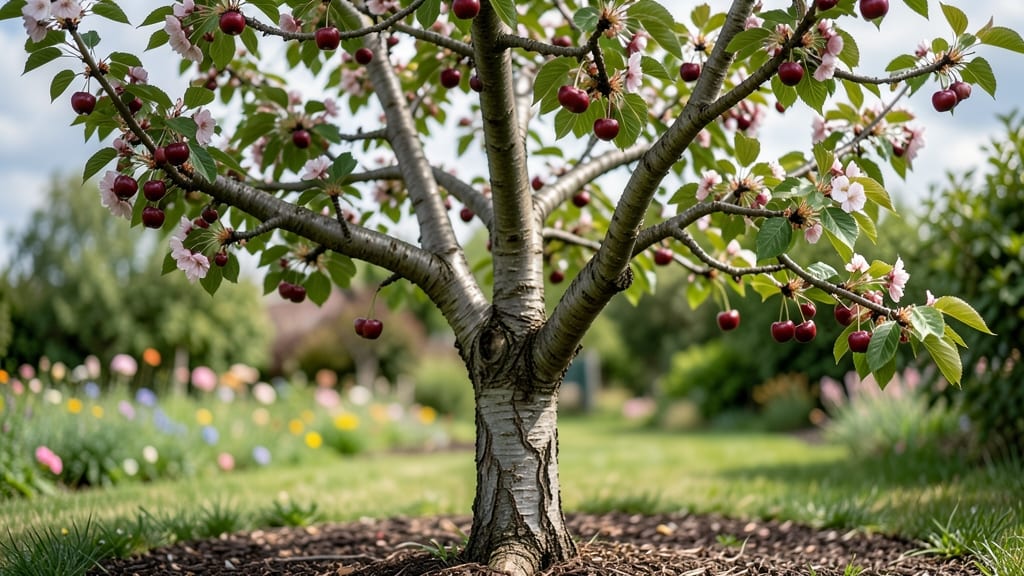
It takes cherry trees 3 to 5 years to produce fruit after planting, with dwarf varieties potentially bearing fruit in just 2 years. Sweet cherries usually take longer (4–6 years) compared to tart cherries (2–4 years), as these timelines depend heavily on growing conditions and tree variety.
Patience is key when growing cherry trees, as their fruiting timeline varies dramatically based on the type you choose and where you plant them. 🌳 Dwarf varieties like 'Stella' are bred to mature faster, often rewarding gardeners with fruit within two years, while standard-sized trees may take five years or more to reach full production.
The difference between sweet and tart cherries isn't just about flavor—it's also about biology, with tart cherries generally maturing sooner due to their hardier nature and faster growth rates.
Climate plays a surprisingly large role too. Trees planted in warmer regions with well-draining soil tend to bear fruit sooner than those struggling in colder climates or heavy, compacted soil.
I've seen home gardeners in zones 5-7 accelerate production by using raised beds and consistent watering during the critical first two years of growth. The right care can shave off a full year from the fruiting timeline!
💡 In This Article
- Factors Affecting Cherry Tree Fruit Production Timeline
- Fastest-Fruiting Cherry Tree Varieties for Home Gardens
Factors affecting cherry tree fruit production timeline
The rootstock you choose is the single most critical factor in how quickly your cherry tree bears fruit. Dwarfing rootstock like Gisela 5 or Gisela 6 can reduce the fruiting timeline by up to 50% compared to standard rootstock.
These semi-dwarf varieties develop a smaller canopy and root system, allowing them to allocate more energy to fruit production instead of vertical growth.
For example, a 'Stella' tart cherry on Gisela 5 rootstock might produce fruit in just 2 years, while the same variety on standard rootstock could take 4-5 years. 🌱
Climate zones create another major variable. Cherry trees require chilling hours (typically 400-1,000 hours below 45°F) during winter dormancy to trigger flowering. In warmer regions like California's Central Valley (Zone 8), trees may need 2-3 years less time to mature than those in colder zones like Minnesota (Zone 3).
Soil pH also matters—the ideal range is 6.0-6.5, where nutrients like boron and zinc become more available, both essential for fruit development. I've seen trees in acidic soils (pH 5.0) take 1-2 extra years to fruit due to nutrient deficiencies.
Watering practices during the first 24 months can accelerate or delay fruiting. Cherry trees need 1-1.5 inches of water weekly during their first year, with deeper watering 2-3 times per week during dry spells. Shallow watering encourages weak root growth, which slows overall development.
Proper pruning also plays a role—removing 25-30% of new growth annually helps the tree focus energy on fruit production rather than excessive leaf growth. I've noticed that trees pruned correctly in their first year often fruit 6-12 months earlier than neglected ones.
Nutrient availability is another hidden factor. A soil test revealing low levels of phosphorus or potassium can delay fruiting by 1-2 years. These nutrients are crucial for flower bud formation.
For instance, a Montmorency tart cherry planted in soil with optimal P2O5 (phosphorus) levels (60-80 ppm)> might bear fruit in 3 years, while the same tree in phosphorus-deficient soil (20 ppm) could take 5 years.
The difference comes down to how efficiently the tree can develop its reproductive structures.
Light exposure matters too—cherry trees need 6-8 hours of direct sunlight daily for optimal fruiting. Trees planted in partial shade may take 1-2 extra years to produce fruit because they allocate more energy to leaf growth rather than flowering.
I've observed that trees receiving only 4 hours of sunlight often develop fewer flower buds, directly impacting their first fruiting season. The canopy structure also changes—shaded trees tend to grow taller and leggier, delaying their maturity.
One often-overlooked factor is the tree's gender. Most commercial cherry trees are grafted with both male and female flowers (self-pollinating), but some varieties require cross-pollination. Having a second compatible tree within 50 feet can reduce the fruiting timeline by 6-12 months by ensuring proper pollination.
For example, a 'Black Tartarian' sweet cherry paired with a 'Stella' tart cherry will fruit more reliably than a single tree planted alone. 🌸