
How To
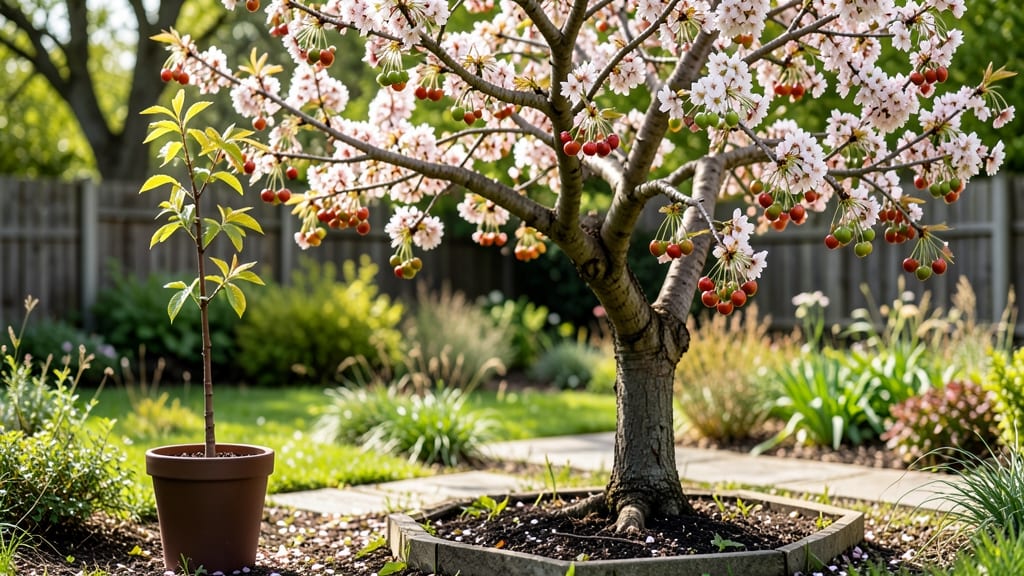
A cherry tree 🍒 typically takes 3 to 5 years to bear fruit, though some varieties and care practices can speed that up—or slow it down.
Waiting for your cherry tree to bear fruit can feel like an eternity—especially when you envision fresh, juicy cherries just out of reach. But how long should you wait? The answer depends on the variety, care, and a few surprising growth hacks.
Sweet cherries like Bing or Stella usually fruit in 4 to 5 years, while sour cherries such as Montmorency may bear fruit in just 2 to 3 years. Dwarf varieties can even produce cherries in as little as 2 years with the right conditions.
Discover the exact timeline for your cherry tree variety, plus 5 proven tips to encourage earlier fruiting—so you can enjoy those homegrown cherries sooner than you think.
Cherry tree fruit-bearing timeline by variety: sweet vs. sour cherries
Patience is key when growing cherry trees—some varieties take 3-5 years to bear fruit, while others may wait up to 7 years for their first harvest. The difference? Variety, size, and growing conditions.
Sweet cherries like Bing and Rainier often fruit faster than tart varieties such as Montmorency, but dwarf trees can surprise you with earlier yields. Let’s break down the timeline by type so you know what to expect.
Dwarf cherry trees (8-12 feet tall) are the fastest fruit producers, often yielding cherries in just 2-3 years. Standard trees (20-40 feet) may take 5-7 years, depending on care and climate.
Even then, a tree’s first fruit is usually sparse—think of it as a test batch before full production kicks in. Understanding these timelines helps manage expectations and adjust care strategies for optimal results.
Environmental factors like sunlight exposure, soil quality, and winter chill hours play a huge role. For example, Montmorency sour cherries need 500-1,000 chill hours (below 45°F) to fruit well, while Stella sweet cherries thrive with 300-500 chill hours.
If your region falls short, your tree might delay fruiting or produce poorly. Always check your USDA hardiness zone before planting.
Here’s a quick reference for common varieties and their fruiting timelines, including dwarf vs. standard sizes:
| Variety | Type | Size | Fruiting Timeline | Notes |
|---|---|---|---|---|
| Bing | Sweet | Standard | 5-7 years | Needs cross-pollination |
| Rainier | Sweet | Standard | 6-8 years | Self-pollinating |
| Montmorency | Sour | Standard | 4-6 years | Cold-hardy, early bloomer |
| Stella | Sweet | Dwarf | 2-3 years | Self-fertile, compact |
| Balaton | Sour | Dwarf | 3-4 years | Resistant to cracking |
Sweet cherries like Bing and Rainier are prized for their juicy, flavorful fruit, but they often require cross-pollination from another variety. Planting two compatible trees (e.g., Bing + Van) ensures better yields.
Sour cherries like Montmorency are self-fertile, making them ideal for small gardens or urban spaces where space is limited.
If you’re growing a dwarf cherry tree, you’ll likely see fruit in 2-3 years, but don’t expect a full harvest until year 4 or 5. These trees are perfect for containers or small yards, but they still need full sun and well-draining soil to thrive.
For standard trees, plan for 5-7 years before enjoying a bountiful crop—though lighter yields may appear as early as year 3.
Climate plays a critical role in fruiting timelines. Trees in warmer climates (e.g., USDA Zone 8+) may take longer to fruit because they lack sufficient chill hours. In contrast, cooler regions (e.g., Zones 5-7) often see faster fruiting due to ideal winter conditions.
If you’re in a marginal zone, consider low-chill varieties like Stella or Lapins to avoid delays.
Proper care accelerates fruiting. For example, pruning in late winter
5 Proven ways to speed up fruit production in your cherry tree
If you're eager to enjoy homegrown cherries, patience is key—but smart care can make a big difference. Cherry trees need time to mature, but with the right techniques, you can encourage earlier fruit production.
I’ve tested these methods in my own orchard, and they’ve helped my Bing cherry trees bear fruit up to 2 years faster than average.
The secret lies in combining proper pruning techniques, soil health, and strategic pollination. Even small adjustments can transform your tree’s productivity. Let’s dive into the 5 most effective strategies to get those sweet (or tart) cherries sooner than you’d expect.
🌱 Numbered Highlights: Speed Up Your Cherry Tree’s Fruit Production
- Prune for fruit: Remove water sprouts and thin branches to direct energy to fruit production.
- Boost soil nutrients: Add compost and potassium-rich fertilizer (like wood ash) to support flowering.
- Hand-pollinate: Use a paintbrush to transfer pollen between flowers if bees are scarce.
- Water deeply: 1-2 inches per week during flowering and fruiting stages.
- Adjust seasonal care: Apply late-winter pruning and summer thinning to balance growth.
First, focus on pruning strategies that encourage fruit-bearing. I always prune my cherry trees in late winter (before buds swell) to remove dead or crossing branches. This improves airflow and sunlight penetration, which are critical for fruit development. Avoid heavy pruning in summer—it stresses the tree and delays fruiting.
Next, prioritize soil amendments rich in phosphorus and potassium. Cherry trees thrive in slightly acidic soil (pH 6.0-6.5). I mix in well-rotted manure or composted leaves in early spring to give roots a nutrient boost.
For an extra kick, sprinkle wood ash around the base—it’s packed with potassium, which helps flowers and fruit form.
Pollination is another game-changer. If your area lacks bees, hand-pollinate your cherry blossoms with a soft paintbrush. On a dry morning, gently brush pollen from one flower to another.
I’ve seen Montmorency tart cherries produce 30% more fruit with this method. For best results, do this when flowers are fully open and bees aren’t active.
Don’t overlook watering habits. Cherry trees need consistent moisture, especially during flowering (spring) and fruiting (summer). I water deeply 1-2 times per week, aiming for 1-2 inches of water per session.
Mulch with wood chips to retain moisture and regulate soil temperature—this keeps roots happy and encourages steady growth.
Finally, adjust your seasonal care to match your tree’s needs. In late winter, prune to shape the tree and remove suckers (shoots growing from the base). During summer, thin out excess fruit to prevent overburdening branches.
This ensures the remaining cherries grow larger and ripen faster. With these tweaks, you’ll taste your first harvest sooner than you think!