
Blooming
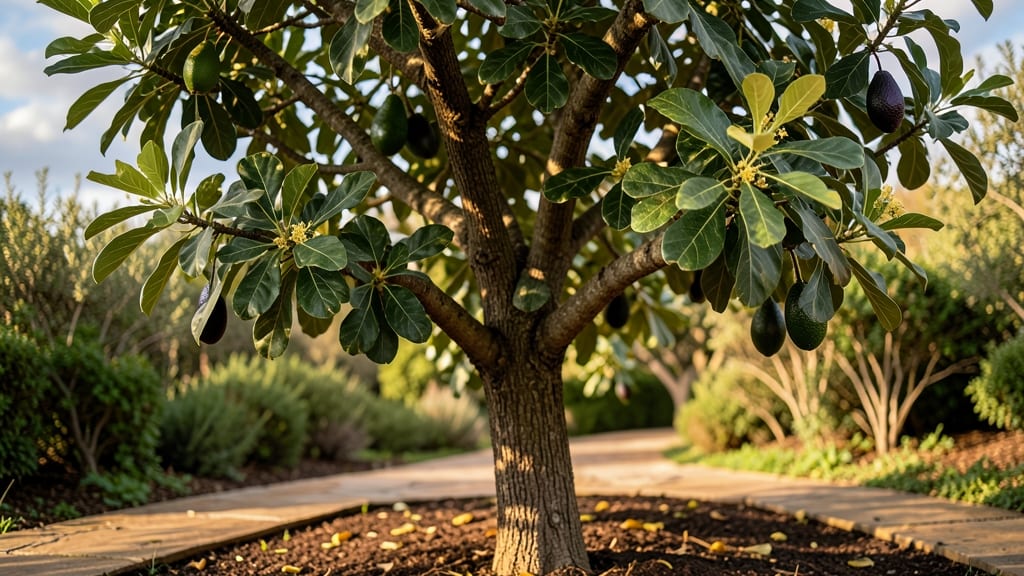
How long until an avocado tree bears fruit? The answer depends entirely on whether you’re growing it from seed or starting with a grafted nursery tree—with timelines ranging from 3 to 13 years. That wait can feel endless, but with the right care, you might just shave off a few years and taste that first homegrown 🥑 sooner than expected.
If you’ve ever started an avocado tree from a pit, you know the wait is real. Seed-grown trees can take a decade or more to produce fruit because they’re essentially starting from scratch—both genetically and in growth speed.
But there’s a faster route: grafted trees, which are bred for fruit production and can bear fruit in as little as 3 years, though 5 to 7 years is more typical.
Climate, soil health, and even your watering habits play a huge role in speeding up or slowing down that timeline. Too much shade or inconsistent moisture can stall growth, while the right balance of sunlight and nutrients keeps your tree on track.
The good news? With a few smart adjustments, you can give your avocado tree the best shot at fruiting faster than the average home grower.
In this guide, I’ll break down the exact year-by-year milestones for both seed-grown and grafted trees, plus the 5 key factors that make the biggest difference in how quickly your tree starts producing those creamy, dreamy avocados you’ve been waiting for.
Avocado tree fruit-bearing timeline: from seed to harvest by growing method
Growing your own avocado tree is rewarding, but the fruit-bearing timeline varies dramatically based on your growing method. Seed-grown trees take 5-13 years to produce fruit, while grafted trees can bear fruit in just 3-5 years. Understanding these differences helps you plan for success and avoid disappointment.
The key difference lies in the genetic maturity of your tree. Seed-grown avocados start from scratch, while grafted trees inherit the fruit-bearing genes of mature parent trees. Climate also plays a role—warmer regions like USDA Zones 9-11 accelerate growth, while cooler areas may delay fruiting by 1-2 years.
Below is a year-by-year breakdown comparing seed-grown vs. grafted avocado trees, including critical milestones like first leaves, flowering, and fruit production. Use this as your roadmap to avocado harvest success!
| Growing Method | Year 1 | Year 2 | Year 3 | Year 4-5 | Year 6+ |
|---|---|---|---|---|---|
| Seed-Grown | Sprouts, 1-2 ft tall | 3-5 ft, first leaves | 6-10 ft, no fruit | 10-15 ft, possible flowers | Fruit in 5-13 years |
| Grafted | Established, 2-3 ft | 4-6 ft, strong growth | 8-12 ft, first flowers | Fruit in 3-5 years | Reliable harvests |
| Climate Impact | Faster in warm zones | Slower in cooler zones | Sunlight = growth boost | Drought stress delays | Consistent care = earlier fruit |
If you start with a seed-grown avocado, expect a longer wait for fruit. These trees take 5-13 years because they must develop their own root system and flowering genes.
The first 3 years focus on establishing a strong trunk and canopy, while years 4-6 bring initial flowering—but fruit may not ripen until year 7 or later.
On the other hand, grafted avocado trees are a game-changer. By combining a mature tree’s scion (top) with a robust rootstock, you skip the genetic development phase. Grafted trees often flower in year 3 and produce fruit by year 4 or 5.
This method is ideal if you’re impatient for harvests or live in a cooler climate where seed-grown trees struggle.
One critical milestone is the first flowering, which signals your tree’s readiness to bear fruit. Seed-grown trees may flower as early as year 4, but grafted trees often flower by year 3.
However, just because flowers appear doesn’t mean fruit will develop—pollination and nutrient availability play huge roles here.
For faster fruit production, choose a grafted Hass avocado, the most popular variety for home growers. Hass trees thrive in full sun and well-draining soil, and their dark purple-black fruit is prized for its creamy texture.
If you’re in a cooler climate, consider dwarf or semi-dwarf varieties like Mexicola or Wurtz, which mature faster than standard trees.
Climate is another game-changer in your avocado’s timeline. Trees in USDA Zones 9-11 (like California or Florida) grow and fruit 2-3 years faster than those in Zones 7-
5 Key factors that speed up or delay avocado fruit production
If you're eager to enjoy homegrown avocados, understanding these critical factors can shave years off your wait time. The right variety selection, pollination methods, and soil conditions directly impact when your tree will bear fruit. Let’s break down what truly matters for faster harvests.
First, the avocado variety you choose makes a huge difference. Hass avocados, the most popular type, typically fruit in 3-5 years when grown from grafted trees. In contrast, Fuerte avocados may take 5-7 years—so if you’re impatient, Hass is your best bet. Grafted trees always outperform seed-grown ones.
Here’s how each factor plays a role in your avocado’s fruiting timeline:
For example, I planted a grafted Hass avocado in well-amended soil with full sun exposure. By year 3, it flowered—a full year earlier than my seed-grown tree. The key was ensuring consistent moisture and hand-pollinating the flowers to guarantee fruit set.
Don’t overlook fertilization either. A balanced 10-10-10 NPK fertilizer applied in early spring and fall promotes vigorous growth. I’ve seen trees produce fruit 2 years earlier when given proper nutrients compared to neglected ones.
If your tree isn’t fruiting on schedule, check for nutrient deficiencies (yellow leaves = nitrogen) or pests (avocado lace bugs). Addressing these issues can restart the fruiting cycle faster than waiting for nature to correct itself. 🌱