
Diseases
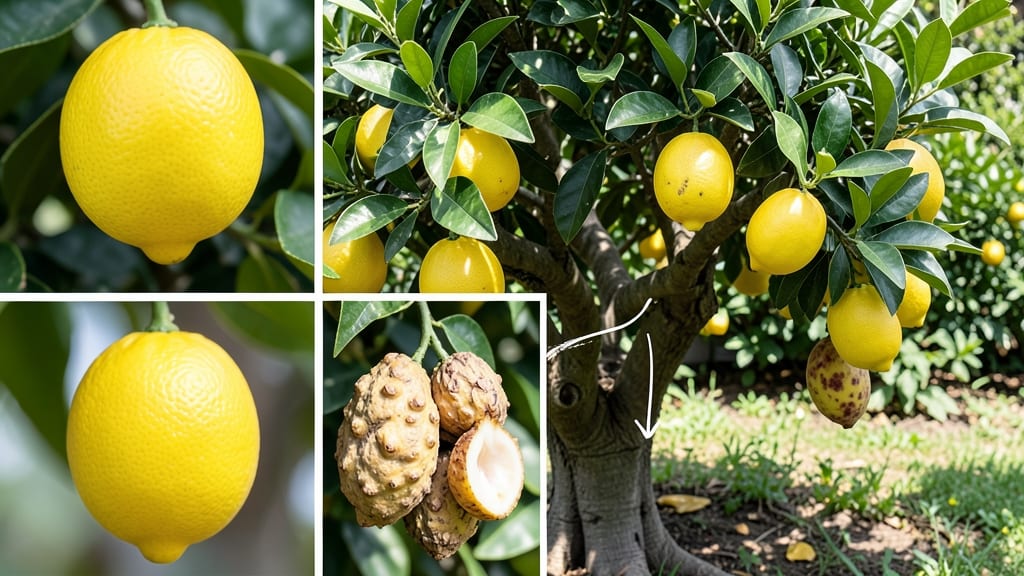
My lemon tree’s fruit started looking like lopsided green marbles instead of plump, juicy lemons—turns out, deformed lemon fruit is a common citrus blight that screams for attention. 🌿 The culprits? Overcrowded branches blocking sunlight, sneaky pests like aphids or mites, or even nutrient deficiencies hiding in plain sight.
I’ve wrestled with this problem for years, and now I’m sharing the exact fixes that turned my tree’s harvest back to normal.
The good news is you don’t need fancy tools or chemicals to fix this. Start by pruning away crowded branches to let sunlight and air circulate—this alone can stop new deformities in their tracks.
Then, check for pests (those tiny bugs love hiding in leaf crevices) and give your tree a boost with a balanced fertilizer, especially if the soil’s lacking nitrogen or zinc. A simple neem oil spray keeps pests off while supporting healthy growth.
Within a few months, you’ll see it: new fruit forming with smooth, symmetrical shapes and that classic lemon yellow. The key is consistency—regular pruning, pest checks, and soil testing keep your tree thriving.
My tree now produces healthy, full-sized lemons every season, and the best part? No more guessing what went wrong.
Works for Meyer lemons, Eureka varieties, or any citrus tree struggling with odd-shaped fruit. The same principles apply whether you’re growing in pots or in the ground. Let’s get those lemons back to perfect!
Root Causes Behind Twisted Citrus
When your lemon trees produce fruit that looks more like a lopsided joke than a juicy reward, the blame often lies in environmental stress, poor growing conditions, or hidden pests.
Understanding these root causes is the first step toward reclaiming your citrus harvest. Let’s break down the science behind why your lemons might be growing wonky—and how to fix it.
🌡️ Extreme Temperature Swings
Lemons thrive in consistent warmth, but sudden temperature shifts—especially below 50°F (10°C) or above 90°F (32°C)—can disrupt cell division during fruit development. Cold snaps cause physiological disorders like blossom end rot (a sunken, deformed bottom) or uneven growth.
Heat stress, on the other hand, leads to poor pollination and malformed fruit due to flower drop or stunted development.
Actionable fix:
- 🌡️ Mulch around the base to regulate soil temps (use straw or wood chips).
- 💦 Water deeply during heatwaves to cool roots and prevent shock.
- ❄️ Protect young trees with frost cloth in winter or move potted lemons indoors.
💧 Watering Woes: Too Much or Too Little
Lemons are drought-tolerant but hate soggy roots. Overwatering leads to oxygen deprivation in the soil, causing anaerobic stress that distorts fruit shape. Conversely, underwatering triggers osmotic shock, where cells shrink unevenly, leading to puckered or cracked lemons.
Actionable fix:
- 📊 Check soil moisture 2–3 inches deep—water only when dry (stick your finger in!).
- 🚰 Improve drainage by amending soil with perlite or sand if your lemons sit in water.
- 🌱 Avoid wetting leaves to prevent fungal diseases that weaken fruit structure.
🐛 Pest & Disease Pressure
Hidden invaders like aphids, citrus leaf miners, or scale insects suck sap from developing fruit, causing stunted growth and gnarled shapes. Even fungal infections (e.g., Phytophthora) or bacterial canker can create corky, deformed patches on lemons.
Actionable fix:
- 🔍 Inspect leaves/fruit weekly for sticky residue (aphids), tunnels (leaf miners), or oozing sores (bacterial canker).
- 🧴 Spray neem oil or insecticidal soap preventatively during bloom and fruit set.
- 🌿 Prune infected branches immediately and sterilize tools with rubbing alcohol.
🌱 Nutrient Deficiencies or Imbalances
A lemon’s shape relies on balanced nutrients, especially boron, calcium, and zinc. Too little boron (critical for cell wall formation) leads to hollow, cracked, or heart-shaped lemons. Calcium deficiency causes blossom end rot, while excess nitrogen promotes leafy growth at the expense of fruit quality.
Actionable fix:
- 📊 Test soil pH (ideal: 6.0–7.0) and amend with lime (for calcium) or Epsom salt (for magnesium).
- 💡 Use a citrus-specific fertilizer with low nitrogen (e.g., 6-6-6) and add boron supplements if soil tests are low.
- 🍽️ Avoid over-fertilizing—more isn’t better! Follow label rates to prevent salt buildup.
🌿 Physical Damage or Improper Pruning
Rough handling (e.g., wind, hail, or aggressive pruning) can bruise young fruit, leading to scarring or uneven growth. Over-pruning also reduces energy for fruit development, while poor pollination (from lack of bees or wind) results in small, deformed lemons.
Actionable fix:
- 🌬️ Stake young trees or use windbreaks to prevent physical trauma.
- 🐝 Hand-pollinate flowers with a soft brush if your area lacks bees (do this on dry mornings).
- ✂️ Prune strategically: Remove only dead or crossing branches in late winter/early spring.
Most deformed lemons are a cry for help—your tree is telling you it’s struggling with one or more of these issues. The good news? With targeted fixes, your next harvest can be plump, symmetrical, and bursting with juice.
Fixing misshapen citrus trees
If your lemon trees are producing lopsided, knobby, or otherwise deformed lemon fruit, don’t toss them just yet! Most issues stem from environmental stress, poor care, or underlying diseases—but with the right fixes, you can restore your tree’s health and improve fruit quality.
Below, we’ve mapped out practical solutions based on the most common causes, along with prevention tips to keep your harvests looking (and tasting) perfect.
If your lemons are small, lumpy, or fail to develop properly, a nutrient imbalance is often the culprit. Citrus trees need a balanced diet of nitrogen, phosphorus, potassium, and micronutrients like zinc and iron.
🔥 Step 1: Test Your Soil
Use a soil test kit (available at garden centers) to check pH and nutrient levels. Lemons thrive in slightly acidic soil (pH 6.0–7.0). If levels are off, amend the soil with:
- Lime (for acidic soil)
- Sulfur (for alkaline soil)
- Compost or well-rotted manure (for organic matter)
🍳 Step 2: Fertilize Correctly
Apply a balanced citrus fertilizer (e.g., 6-6-6 or 8-3-9 ratio) in early spring and again after harvest. For micronutrient deficiencies:
- Zinc deficiency? Use zinc sulfate (1 tbsp per gallon of water, spray foliage).
- Iron deficiency? Apply chelated iron or use Epsom salt (1 tbsp per gallon of water, foliar spray).
💡 Pro Tip:
Over-fertilizing can cause burnt roots or excessive leaf growth at the expense of fruit. Always water deeply after fertilizing to help nutrients absorb.
Too much or too little water can lead to deformed lemon fruit, causing splits, uneven growth, or poor flavor. Citrus trees hate soggy roots but also struggle with drought stress.
👨🍳 Step 1: Adjust Your Watering Routine
Lemons need 1–1.5 inches of water per week, including rainfall. Use these guidelines:
- Drought stress? Water deeply 2–3 times per week (more in extreme heat).
- Overwatering? Let the top 2–3 inches of soil dry out between waterings. Improve drainage by adding sand or perlite to heavy clay soil.
🥘 Step 2: Mulch for Moisture Control
Spread 2–4 inches of organic mulch (straw, wood chips) around the base of the tree (keep mulch away from the trunk to prevent rot). This helps retain moisture and regulates soil temperature.
✨ Prevention Tip:
Install a drip irrigation system for consistent, slow watering—this reduces the risk of fungal diseases from overhead sprinklers.
Extreme heat, cold snaps, or inconsistent sunlight can stunt fruit development and cause deformities. Citrus trees prefer warmth (70–85°F) and full sun (6+ hours daily).
🔥 Step 1: Shield from Harsh Conditions
If your tree is in a hot, dry climate, provide afternoon shade with lightweight shade cloth (30–50% coverage). For cold-sensitive varieties (like Meyer lemons), protect young trees with:
- A frost cloth on nights below 30°F.
- Moving potted trees to a garage or sheltered area during freezes.
🎯 Step 2: Optimize Sun Exposure
If your tree isn’t getting enough sunlight, consider:
- Pruning nearby tall plants or structures blocking light.
- Relocating the tree to a sunnier spot (if possible).
💡 Pro Tip:
Young citrus trees are most vulnerable to temperature swings. Use a thermometer to monitor conditions and adjust care accordingly.
Diseases like citrus blight, greasy spot, or canker can twist, discolor, or stunt fruit growth. Early intervention is key!
🔪 Step 1: Prune Infected Areas
Remove and dispose of (do not compost) any deformed or diseased fruit, branches, or leaves. Sterilize pruners with rubbing alcohol between cuts.
🌿 Step 2: Apply Fungicides
Use copper-based fungicides (e.g., Bordeaux mixture) or neem oil (for organic control) every 2–4 weeks during humid or rainy seasons. For bacterial issues, copper sprays are most effective.
📊 Prevention Tip:
Improve air circulation by spacing trees 8–10 feet apart and avoiding overhead watering. Clean up fallen leaves/debris regularly to prevent spores from spreading.
Once you’ve addressed the immediate issue, focus on consistent care to prevent future deformities:
- Prune annually to remove crowded or dead branches and improve airflow.
- Rotate fertilizer types to avoid buildup (e.g., switch between organic and synthetic).
- Monitor for pests (aphids, scale) and treat early with soapy water or horticultural oil.
- Harvest at the right time—lemons are best picked when firm but slightly soft (usually late winter to early spring).
With these fixes, your lemon tree should bounce back—producing plump, sweet, and perfectly shaped fruit in no time! 🍋✨
Frequently asked questions
Can I still use deformed lemons for cooking or juicing?
While they won’t look perfect for garnishes, deformed lemons are just as flavorful and perfect for cooking, baking, or juicing. The unusual shapes often mean concentrated juice pockets—great for lemon curd, marinades, or cocktails. Just avoid using heavily cracked or moldy fruit for fresh applications.
How do I tell if my lemon tree has a nutrient deficiency vs. pest damage?
Check the leaves first: yellowing between veins suggests iron or zinc deficiency, while brown spots on leaf edges indicate calcium issues. For pests, look for sticky residue (aphids), tiny white dots (scale), or chewed leaves (leaf miners). Nutrient problems affect the whole plant gradually, while pests often target specific areas first.
Will pruning help if my tree already has deformed fruit?
Pruning won’t fix existing deformed fruit, but it’s crucial for future harvests. Remove crowded branches to improve airflow and sunlight exposure—this prevents new fruit from developing unevenly. Focus on opening the canopy by cutting back 20-30% of growth during late winter when the tree is dormant.
How often should I check my lemon tree for early signs of problems?
Inspect your tree every 2 weeks during growing season (spring-fall) and monthly in winter. Look for new growth patterns, leaf discoloration, or unusual bumps on developing fruit. Early detection gives you time to address issues before they affect fruit shape or tree health.
Can container-grown lemons get deformed fruit too?
Yes! Potted lemons face the same issues as in-ground trees, plus extra challenges like root-bound stress or limited nutrient access. Ensure containers have drainage holes, use well-draining soil, and repot every 2-3 years