
Picking
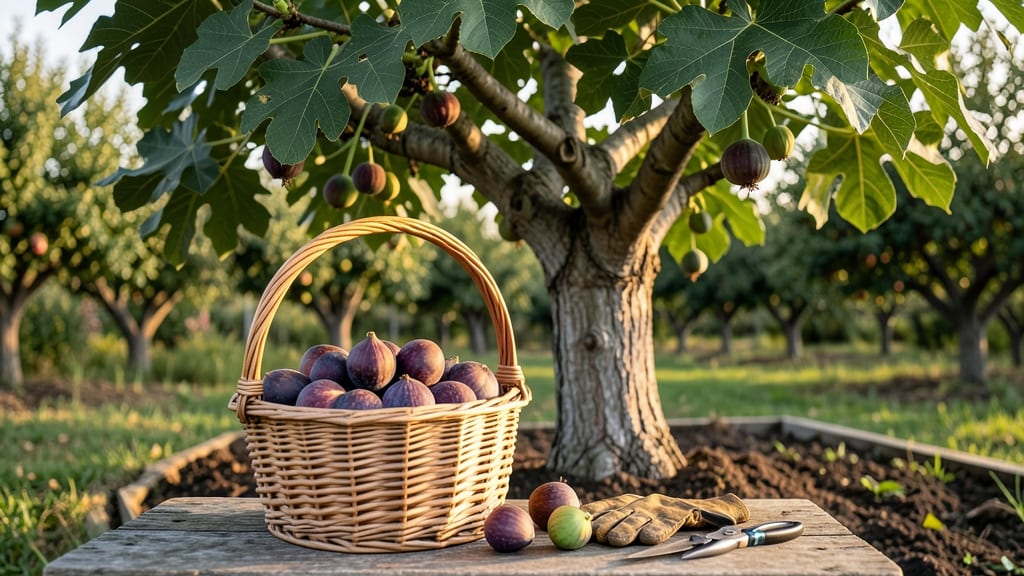
Harvesting fig fruit at the right time turns a simple garden task into a sweet, rewarding experience that transforms your kitchen.
There’s nothing quite like biting into a perfectly ripe fig—juicy, sweet, and bursting with flavor. But timing your harvest wrong can turn your hard work into a mealy mess.
Whether you’re growing Brown Turkey or Chicago Hardy varieties, knowing when to pick is the key to maximizing sweetness and avoiding waste.
Figs in Zone 6a typically ripen between August and October, but the exact moment depends on your tree’s maturity and local climate. I’ll show you how to spot the perfect signs—color, texture, and even aroma—and share the best techniques for picking without damaging your tree.
From storing fresh figs to preserving them for later, you’ll learn how to handle your harvest like a pro. Let’s dive in and make sure your figs are as delicious as they are plentiful!
How to identify the perfect time to harvest figs for sweetness
Harvesting figs at the right moment transforms a simple fruit into a flavor explosion. The key lies in watching for three critical cues: color, texture, and stem separation.
Different fig varieties like Brown Turkey or Chicago Hardy ripen at slightly different times, so knowing their unique patterns ensures you never miss peak sweetness.
First, observe the color transformation. Most figs start green but mature to deep purple, brown, or golden yellow depending on the variety. For example, Brown Turkey figs develop a rich brown hue, while Celeste figs turn a soft yellow. This color shift signals sugar development inside the fruit.
| Variety | Ripeness Color | Texture Cue | Stem Test |
|---|---|---|---|
| Brown Turkey | Deep brown | Slightly soft when pressed | Separates with gentle twist |
| Chicago Hardy | Purple-brown | Yields under finger pressure | Pulls away cleanly |
| Celeste | Golden yellow | Plump and slightly firm | Detaches easily |
| Osborn Prolific | Greenish-brown | Softens noticeably | Twists off with slight resistance |
Next, perform the fingerpress test. A ripe fig will feel slightly soft when you gently press it with your thumb. If it feels rock-hard or squishy, it’s either unripe or overripe.
For Brown Turkey figs, this test is especially reliable—they should give just a bit under pressure but not collapse.
Don’t overlook the stem separation test, the most foolproof method. Gently grasp the fig’s stem and twist it slightly. If it detaches cleanly from the branch, it’s ready to pick.
This test works for all varieties but is crucial for Chicago Hardy figs, which can split if left too long on the tree.
Environmental factors also play a role. Figs ripen faster in hot, dry weather, so check them every 2-3 days during heatwaves. In cooler climates, like USDA Zone 6a, figs may take longer to ripen, so monitor them closely as temperatures drop in late summer.
One common mistake is waiting for figs to fall on their own. While some varieties like Osborn Prolific may drop naturally, most need to be picked by hand.
Overripe figs left on the tree can attract pests or split open, ruining the harvest. Always pick them when they’re at their peak.
For container-grown figs, like Celeste, ripening can be slightly delayed. Check these figs daily in late summer, as their smaller size means they ripen faster. Place a small stool nearby to avoid straining your back when harvesting from elevated branches.
Pro tip: Harvest in the early morning when figs are coolest. This preserves their sweetness and makes them easier to handle. Store freshly picked figs in the fridge for up to 5 days or eat them immediately for the best flavor.
If you miss the window, unripe figs can ripen indoors at room temperature, but they’ll never match the sweetness of tree-ripe fruit.
Finally, keep an eye out for secondary crops. Many fig varieties produce a second harvest in late summer or early fall. These figs often ripen faster and are even sweeter than the first batch. Mark your calendar for late August through October to catch this bonus harvest.
Step-by-Step guide to picking figs without damaging the tree
Harvesting figs at peak ripeness is an art—one wrong move can turn sweet, juicy fruit into a mushy disappointment. The key is gentle handling and knowing when to intervene. Figs ripen unevenly, so you’ll often find a mix of firm and soft fruit on the same branch.
Use these techniques to protect both your tree and your harvest while ensuring maximum flavor.
Start by inspecting your figs for visual ripeness cues. Look for deepened color—deep purple, brown, or yellow depending on the variety—and a slight softness when pressed. If the fruit detaches easily with a gentle twist, it’s ready.
But here’s the trick: never pull too hard, as this can damage the branch or leave the fruit hanging by its stem, causing it to rot.
Step-by-Step Fig Harvesting Guide
- 🌿 Step 1: Gather Tools – Use a small pruning shears or clean knife for stubborn figs, and a bucket or basket lined with a cloth to cushion fruit.
- 🤏 Step 2: Test Ripeness – Gently squeeze the fig. If it yields slightly and smells sweet, it’s ready. If it’s rock-hard or still green, wait 2-3 more days.
- ✂️ Step 3: Twist and Pull – Grasp the fig’s base and twist gently. For figs that resist, use pruning shears to cut the stem cleanly, leaving a small stub.
- 🌧️ Step 4: Handle Overripe Figs – If a fig is too soft or splitting, harvest it immediately to avoid pests. Use these for immediate eating or preserving.
- 🧼 Step 5: Clean and Store – Rinse figs gently with cool water and pat dry. Store in a single layer in the fridge for up to 5 days or freeze for longer storage.
For overripe figs, act fast to prevent wasps or birds from feasting on them. These figs are perfect for jam, drying, or baking, so don’t let their soft texture fool you into thinking they’re spoiled.
If you notice cracks or splits, harvest immediately—they’re prone to mold and should be used within 24 hours.
Damaged figs can still be salvaged. Remove any bruised or moldy spots and use the rest for smoothies or baked goods. Avoid washing figs until you’re ready to eat them, as moisture speeds up spoilage.
If you’re unsure about a fig’s quality, do the "float test": Drop it in water. If it sinks, it’s fresh; if it floats, it’s past its prime.
After harvesting, give your fig tree a light pruning to encourage next year’s crop. Remove any dead or diseased branches and thin out crowded growth to improve airflow.
This reduces stress on the tree and sets it up for another bountiful harvest. With these techniques, you’ll enjoy perfectly ripe, damage-free figs season after season.
Pro tip: Harvest figs in the early morning when they’re cool and firm. This ensures they stay fresher longer and makes the picking process even easier. Happy harvesting! 🌱