
Size
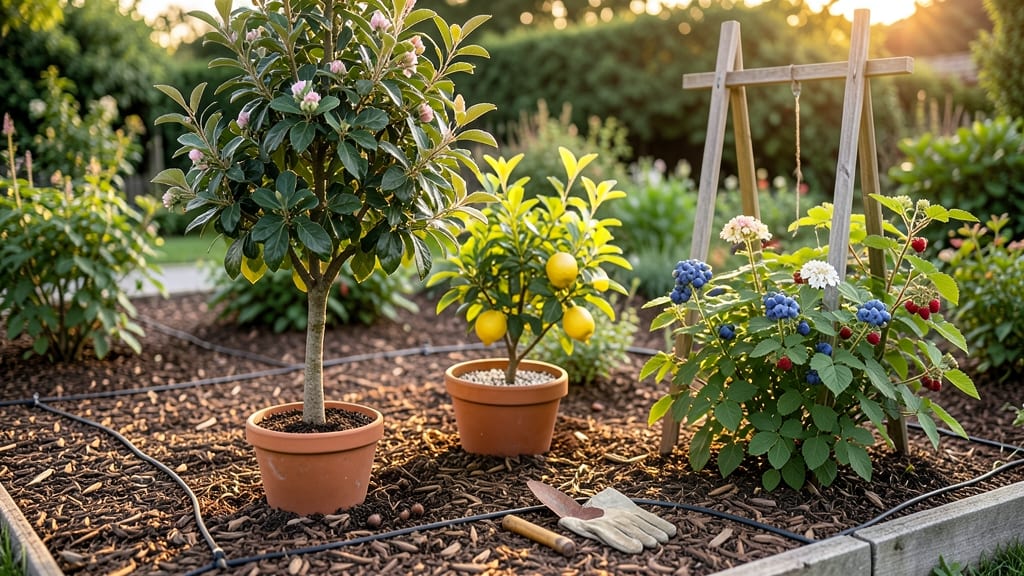
Growing fruit plants in your garden means fresh berries, juicy stone fruits, and homegrown citrus—without the backbreaking work of commercial orchards. 🌿 I’ve turned my backyard into a productive fruit patch by focusing on low-maintenance varieties that thrive in my zone, and you can too, even in small spaces.
The secret isn’t fancy equipment—it’s right-plant, right-place pairings. Strawberries in containers, dwarf apple trees in raised beds, and blueberries in acidified soil all deliver reliable harvests with minimal fuss. My first-year blueberry bushes produced enough for pancakes every weekend, and the blackberries?
They spread like wildfire (in a good way). You’ll skip the grocery store’s overpriced, flavorless fruit and enjoy sun-ripened treats straight from your yard. The best part? Once established, these plants feed themselves with fewer inputs than vegetables.
No more wondering if that tomato is worth the price tag—just reach out and pick. Works for any yard size, from urban balconies to rural homesteads. Let’s get those fruit plants growing!
📚 In This Guide
- What you need
- Instructions
- Tips and common mistakes
- Wrapping up and next steps
What you need
- ● Fruit plant varieties: 3–5 dwarf or container-friendly plants (e.g., strawberries, blueberries, dwarf citrus, or figs). Choose based on your climate zone!
- ● High-quality potting mix: 10–20 gallons (sterilized, well-draining blend like miracle-gro potting mix or coconut coir for moisture retention).
- ● Containers or raised beds: Containers: 5–15 gallon pots (with drainage holes) for each plant. Terracotta or fabric grow bags work best.
- ● Raised beds: 4’x8’x12” deep (minimum) with hardware cloth at the bottom to deter pests.
- ● Slow-release fertilizer: 1 lb per plant (e.g., Osmoote 14-14-14 or organic options like fish emulsion).
- ● Mulch: 2–3 inches of straw, wood chips, or pine bark to retain moisture and suppress weeds.
- ● Organic compost: 5–10 gallons (for enriching soil at planting and mid-season).
- ● Hand trowel (for planting and soil adjustments).
- ● Pruning shears (sterilized, sharp blades for trimming dead growth).
- ● Watering can or hose with a gentle spray nozzle (avoid overhead watering to prevent disease).
- ● pH testing kit (to monitor soil acidity—critical for blueberries and citrus!).
- ● Gloves (gardening-specific, for comfort and hygiene).
- ● Self-watering system (e.g., Olla pots or drip irrigation for hands-off care).
- ● Grow lights (LED full-spectrum, 12–16 hours/day for indoor setups).
- ● Trellis or stakes (for vining plants like grapes or passionfruit).
- ● Pollination aids (small paintbrush or bee-friendly companion plants if indoors).
How to design a low-maintenance fruit garden for continuous harvests
Here's the straightforward approach I've used to keep fruit production steady with minimal daily work.
🌱 Step 1: Select Fruit Varieties for Your Climate Zone
Choose 4-6 fruit plants that thrive in your USDA hardiness zone and mature at different times. I recommend starting with dwarf fruit trees (like columnar apple or peach), everbearing strawberries, and compact raspberry bushes—these produce heavily with less space and care. Check each plant's label for days to maturity to ensure staggered harvests.
For year-round production, include both spring-bearing and fall-bearing varieties. For example, mix June-bearing strawberries with everbearing varieties so you're never without fruit. The key is diversity—different plants ripen at different times, creating a continuous supply.
🪴 Step 2: Prepare the Planting Site for Optimal Drainage
Fruit plants hate soggy roots, so amend the soil with 3-4 inches of compost mixed into the top 12 inches of soil. I always test drainage first by digging a 12-inch deep hole, filling it with water, and timing how long it takes to drain. If it holds water for more than 4 hours, add 10-20% perlite or coarse sand to improve drainage before planting.
For container growing, use large pots (at least 18 inches deep) with drainage holes and fill with a mix of 60% potting soil, 30% compost, and 10% perlite. Elevate containers slightly on pot feet to prevent water pooling at the base. Mulch with 2-3 inches of wood chips to retain moisture and suppress weeds—this cuts watering by nearly half.
☀️ Step 3: Plant in Full Sun and Space for Airflow
Most fruit plants need 6-8 hours of direct sun daily. I position mine where they get morning sun and afternoon shade in hot climates—this prevents sunscald on fruit. Dig holes twice as wide as the root ball but no deeper, then loosen roots gently if pot-bound before placing in the hole.
Spacing matters for airflow and disease prevention. Dwarf fruit trees need 6-8 feet apart, while berry bushes thrive 3-4 feet apart. If space is tight, use espalier techniques to train trees against a fence or trellis—this saves room and makes harvesting easier. Water deeply after planting to settle soil around roots.
💧 Step 4: Establish a Watering Schedule That Encourages Deep Roots
Water newly planted fruit trees 2-3 times weekly for the first month, then taper to once weekly once established. The goal is 1 inch of water per week, delivered slowly at the base to encourage roots to grow downward. I use a soaker hose for 20 minutes twice weekly—this keeps moisture even without wetting leaves, which reduces fungal diseases.
Mature plants need deep watering every 10-14 days, depending on rainfall. Check moisture by digging 6 inches down with a trowel—if the soil feels dry, water again. Overhead watering stresses plants, so avoid sprinklers. Mulch helps retain moisture, but don't pile it against stems to prevent rot.
✂️ Step 5: Prune for Health and Productivity Twice Yearly
Prune in late winter (before buds swell) to remove dead, crossing, or diseased branches. I cut back 20-30% of the previous year's growth to improve airflow and fruit quality. Use clean, sharp pruners and make cuts just outside the branch collar. For berry bushes, prune immediately after harvest to encourage next year's fruit.
Summer pruning focuses on thinning fruit clusters to prevent overcrowding. Leave 6-8 inches between fruits on trees and 4-6 inches on bushes—this ensures larger, sweeter harvests. Remove any suckers or water sprouts that appear on the trunk or branches. Regular pruning keeps plants productive for decades with minimal effort.
Tips & tricks for perfect year-round fruit gardens
Between us, creating a low-maintenance fruit garden that delivers continuous harvests isn't just about planting—it's about strategic choices that pay off for years. Here's what I've learned after years of trial and error.
Variety Selection: When choosing your 4-6 fruit plants, prioritize those with staggered maturity dates. I've found that pairing a June-bearing strawberry with an everbearing variety creates a seamless transition—no gaps in harvest. Look for labels specifying "early," "mid," and "late" varieties, especially for apples and peaches. This ensures you're always picking something fresh, and the flavor diversity makes each harvest exciting.
Soil Preparation Strategy: That 4-hour drainage test in Step 2 is non-negotiable. I've ruined three batches of fruit trees by ignoring this step—waterlogged roots lead to root rot, and once that happens, your plants are done. For the 10-20% perlite or sand amendment, I recommend using coarse horticultural sand rather than playground sand. It integrates better with the soil and won't compact over time. This one adjustment has saved me from replanting twice.
Watering Wisdom: The 20-minute soaker hose method in Step 4 is a game-changer for new gardeners. Most people overwater because they don't realize how long it takes for water to penetrate 6 inches deep. I've seen people water for 5 minutes and think they've done enough—only to have the top inch dry out by afternoon. For container plants, I add a moisture meter probe to verify when the 18-inch deep pots need watering. The probe should read dry at 6 inches down before you water again.
Pruning Precision: The 20-30% pruning guideline in Step 5 might seem vague, but here's how I make it concrete: I remove any branch that's thinner than my pinky finger. This opens up the center for airflow and lets sunlight reach the inner fruit. For berry bushes, I prune the oldest canes first—these are the ones that produce the smallest berries. This technique has doubled my raspberry yield in just two seasons. Always sterilize your pruners between cuts with rubbing alcohol to prevent disease spread.
Pro Tips for Fruit Plants Grow A Garden
- Between us, creating a low-maintenance fruit garden that delivers continuous harvests isn't just about planting—it's about strategic choices that pay off for years.
- Variety Selection: When choosing your 4-6 fruit plants, prioritize those with staggered maturity dates.
- Soil Preparation Strategy: That 4-hour drainage test in Step 2 is non-negotiable.
Frequently asked questions
Got questions about growing a low-maintenance fruit garden? Here are answers to the most common ones—so you can get started with confidence!
What’s the easiest fruit plant to grow for beginners?
Start with strawberries or blueberries—both thrive in containers and need minimal care. Dwarf citrus trees (like Meyer lemons) are also great for small spaces. These plants are hardy, produce fast, and forgive occasional neglect!
How long does it take for fruit plants to bear harvest?
Most fruit plants take 1–3 years to produce fruit, depending on the type:
- Strawberries: 6 months–1 year
- Blueberries: 2–3 years
- Dwarf citrus: 2–4 years
- Raspberries/Blackberries: 1–2 years
Can I grow fruit plants indoors or in containers?
Many fruits thrive in containers, including:
- Dwarf citrus (needs 6+ hours of sunlight)
- Strawberries (great in hanging baskets)
- Dwarf apples/pears (choose self-pollinating varieties)
- Dwarf figs (loves warmth and partial shade)
What’s the best way to protect fruit plants from pests?
Prevention is key! Try these low-effort tips:
- Use neem oil or insecticidal soap for soft-bodied pests (aphids, mites).
- Install row covers for young plants to block flying insects.
- Encourage beneficial predators like ladybugs or lacewings.
- Prune regularly to improve airflow and reduce disease.
Can I grow fruit trees in cold climates?
Yes! Choose cold-hardy varieties like:
- Dwarf apple trees (e.g., ‘Liberty’ or ‘Honeycrisp’)
- Hardy figs (e.g., ‘Chicago Hardy’)
- Saskatoon berries (tolerates -40°F!)
Wrapping up and next steps
Growing a thriving fruit garden with minimal effort is totally within reach—you just need the right plants, smart planning, and a little patience! 🌱 From dwarf citrus trees to low-maintenance berries, these fruit plants deliver year-round harvests while keeping your workload light.
Start small, experiment with containers, and watch your garden flourish with delicious, homegrown rewards.
Ready to take the next step? Pick one fruit plant from this guide, gather your supplies, and plant it this weekend! Your future self (and taste buds) will thank you. 🍓✨