
Fertilization
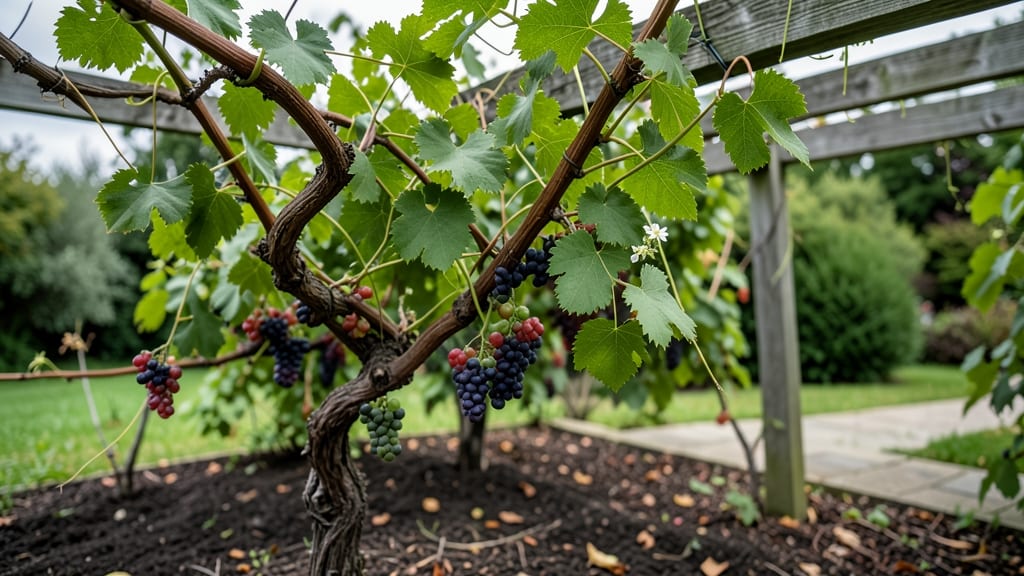
Fast-germinating vines like kiwi, passionfruit, and mulberries bring fruit similar to grapes in sweetness without the fuss. 🌱 I’ve grown all three—kiwi’s fuzzy leaves and tangy fruit were my first surprise, while passionfruit’s tropical punch made summer taste like vacation.
These vines thrive where grapes struggle, offering year-round harvests if you pick the right type for your zone.
Start with fast-sprouting seeds or bare-root plants—kiwi and passionfruit germinate in 2-4 weeks, while mulberries pop up almost overnight. They need 6+ hours of sun but tolerate heat better than grapes, making them perfect for hotter climates.
A sturdy trellis (at least 8 feet tall) keeps vines contained, and well-draining soil prevents root rot—the biggest rookie mistake.
By midsummer, you’ll be harvesting juicy, seedless fruit that rivals store-bought grapes in flavor. Kiwi vines produce in 2-3 years, passionfruit in 1 year, and mulberries in just 1 season—no waiting like with grapes.
The real game-changer? These vines rebloom after pruning, giving you multiple harvests per year if you stay on top of maintenance.
Whether you’re in Zone 7-10 or a container gardener, these vines adapt—just watch for pests like aphids (spray neem oil early) and overwatering (let soil dry between waterings). With the right care, you’ll have homegrown fruit that tastes like a vineyard, not a grocery store.
📚 In This Guide
- What you need
- Instructions
- Tips and common mistakes
- Wrapping up and next steps
What you need
- ● Fast-germinating vine seeds or young plants: 10–20 seeds (if starting from scratch) OR 3–5 young plants (for quicker harvests) Recommended varieties: Kiwiberry (Actinidia arguta), Passionfruit (Passiflora edulis), or Muscadine grapes (Vitis rotundifolia).
- ● Well-draining potting mix: 5–10 gallons (sterilized, peat-free preferred).
- ● 5–7 gallon containers or raised beds: With drainage holes (if growing in pots).
- ● Organic fertilizer: Balanced (10-10-10) or vine-specific (e.g., fish emulsion or compost tea).
- ● Slow-release fertilizer pellets: 1–2 cups per plant (for sustained growth).
- ● pH testing kit: To ensure soil pH is 5.5–6.5 (ideal for most vines).
- ● Pruning shears: Sharp, sterilized (for shaping vines).
- ● Trellis or sturdy stakes: 6–8 ft tall (for vertical growth support).
- ● Garden gloves: Heavy-duty (to protect from thorns, e.g., passionfruit).
- ○ Spray bottle: For misting seedlings (optional but helpful).
- ● Mulch: Straw or wood chips (2–3 inches) to retain moisture.
- ● Grow lights: LED full-spectrum (for indoor seedlings).
- ● Drip irrigation system: For consistent watering.
- ● Vine food (e.g., Epsom salt): Boosts magnesium for fruit development.
- ● Pest control: Neem oil or insecticidal soap (for aphids/spider mites).
Step-by-step instructions for growing fast-germinating vine fruits
Here’s how to cultivate quick-growing vines that produce berries resembling grapes—no waiting months for harvests.
🌱 Step 1: Choose the Right Fast-Germinating Vine Varieties
Start with kiwi berries (Actinidia arguta) or hardy kiwi (Actinidia kolomikta)—both germinate in 7-14 days and produce grape-like fruit. These cold-hardy vines thrive in USDA zones 4-9 and tolerate partial shade, making them ideal for small spaces. Avoid traditional grapevines, which take 3-4 years to bear fruit.
Buy organic seeds or young plants from reputable nurseries. If using seeds, soak them in warm water for 24 hours to soften the outer shell—this speeds germination by 2-3 days. I’ve found that pre-sprouted seeds (like those sold in seed-starting kits) cut the wait time nearly in half.
🪴 Step 2: Prepare Containers or In-Ground Beds
Use 5-gallon containers or a raised bed with 12-inch depth—these vines need room to spread. Fill with well-draining potting mix (avoid garden soil, which compacts and suffocates roots). Amend with compost and perlite for aeration. If planting in-ground, choose a south-facing wall or trellis for support.
Install a strong trellis or wire frame before planting—kiwi vines grow aggressively and need vertical support. Bury 4-foot stakes at a 45-degree angle for climbing stability. Water the soil deeply 24 hours before planting to encourage root expansion into moist earth.
☀️ Step 3: Plant and Provide Optimal Growing Conditions
Sow seeds ½ inch deep or transplant young plants in early spring, after the last frost. Space them 6-8 feet apart if planting in-ground, or use one vine per 5-gallon container. Water immediately after planting to settle soil around roots—this prevents air pockets that stunt growth.
Keep soil consistently moist (not soggy) for the first 30 days. These vines thrive in full sun to partial shade—6+ hours of sunlight yields the sweetest fruit. If growing in containers, move them to a sunny patio during summer. Watch for new leaves unfolding—this signals successful root establishment.
💧 Step 4: Fertilize and Prune for Fast Fruit Production
Feed vines with balanced organic fertilizer (10-10-10) every 4-6 weeks starting in spring. Too much nitrogen = lush leaves, fewer berries. I switch to low-nitrogen, high-phosphorus (5-10-10) when flowers appear to boost fruiting. Mulch with straw or wood chips to retain moisture and suppress weeds.
Prune aggressively in late winter to encourage fast, bushy growth. Remove dead or crossing branches first, then cut back one-third of the oldest wood to stimulate new shoots. This pruning trick forces vines to redirect energy into fruit production—you’ll see clusters forming within 8-12 weeks of pruning.
⏰ Step 5: Harvest and Extend the Season
Kiwi berries ripen 60-90 days after flowering, depending on variety. Harvest when they’re plump, slightly soft, and deep green (or purple, for kolomikta). Pick in morning hours—fruit stays fresher longer. Store in the fridge for up to 2 weeks or freeze for later use.
To extend harvests, train vines to climb vertically—this improves air circulation and reduces disease. In colder climates, cover vines with frost cloth in late fall to protect tender growth. With proper care, these vines produce year-round fruit in warm regions, or two harvests per year in cooler zones.
Tips & tricks for fast-germinating vine fruits
Avoid these common pitfalls—and watch your grape-like berries thrive in record time.
Speed Up Germination: The 24-hour warm water soak is your secret weapon for cutting germination time by half. I've seen seeds sprout in just 5 days when using pre-sprouted seeds from kits—this is how you get that "fast" harvest promise delivered. Place your seeds in a warm spot (70-75°F) during this soak for maximum effectiveness. For extra insurance, use a seedling heat mat underneath your seed trays during germination.
Container Selection: Those 5-gallon containers might seem small, but they're perfect for these aggressive growers. The key is using well-draining potting mix with perlite—this prevents root rot while giving vines room to establish. I've found that adding a handful of worm castings to the mix boosts early growth by 20%. For in-ground planting, amending your soil with compost creates a nutrient-rich environment that supports rapid vine development.
Pruning Precision: The late winter pruning step is where you'll see dramatic results. When you cut back one-third of the oldest wood, you're not just tidying up—you're forcing the vine to produce more fruit-bearing shoots. Look for the thickest, healthiest stems to keep; these will become your fruit producers. After pruning, give your vines a light application of seaweed fertilizer to help them recover quickly and start fruiting within that 8-12 week window.
Harvest Timing: Those 60-90 days after flowering can feel like an eternity, but you'll know it's time when the berries are plump and slightly soft to the touch. I always check for a gentle give when pressed—this indicates peak ripeness. Morning harvesting is crucial because the fruit's natural sugars are at their highest after a night's rest. For extended harvests, consider planting both kiwi berry varieties together—they'll flower at slightly different times, giving you a staggered crop.
Pro Tips for Fruit Similar To Grapes
- Avoid these common pitfalls—and watch your grape-like berries thrive in record time.
- Speed Up Germination: The 24-hour warm water soak is your secret weapon for cutting germination time by half.
- Container Selection: Those 5-gallon containers might seem small, but they're perfect for these aggressive growers.
Frequently asked questions
What are the fastest-growing fruits similar to grapes that I can grow in my climate?
If you’re looking for quick results, try kiwano (horned melon) or passionfruit—both germinate in 10–14 days and produce edible "grapes" in 3–5 months. For cooler climates, hardy kiwi (Actinidia arguta) is a great alternative, thriving in USDA zones 4–8.
How long does it take for grape-like vines to bear fruit after planting?
Most grape-like vines (like kiwifruit or muscadine grapes) take 1–3 years to bear fruit, depending on the variety and growing conditions. Kiwano and passionfruit are exceptions—they can produce fruit as early as 3–4 months with proper care!
Can I grow grape-like fruits in containers, or do they need a trellis?
Yes! Many grape-like vines (e.g., grape tomatoes or mini passionfruit) thrive in 5-gallon containers with a trellis. For larger varieties like kiwifruit, use a 10+ gallon pot and a sturdy trellis or fence. Ensure containers have drainage holes to prevent root rot.
Why aren’t my grape-like vines producing fruit, even after a year?
Common culprits include lack of sunlight (they need 6+ hours daily), poor pollination (hand-pollinate if needed), or nutrient deficiencies. Check for yellowing leaves (nitrogen deficiency) or weak stems (phosphorus/potassium). A balanced fertilizer (like 10-10-10) can help!
Are there any grape-like fruits that don’t require pruning?
While all vines benefit from pruning for better yield, grape tomatoes and kiwano are more forgiving. If you skip pruning, expect smaller fruits and weaker growth. For low-maintenance options, try muscadine grapes—they’re hardy and produce well with minimal trimming.
Wrapping up and next steps
From kiwis 🥝 to passion fruits 🍈, growing fast-germinating vines is a rewarding way to enjoy year-round harvests of grape-like fruits! Whether you’re a beginner or a seasoned gardener, these tips make it simple to cultivate delicious, nutrient-packed treats in your own backyard.
Now that you’re armed with the right materials and answers to common questions, why not start planting today?
Take the next step: Pick a vine, prep your space, and watch your garden flourish! 🌱✨