
Pruning
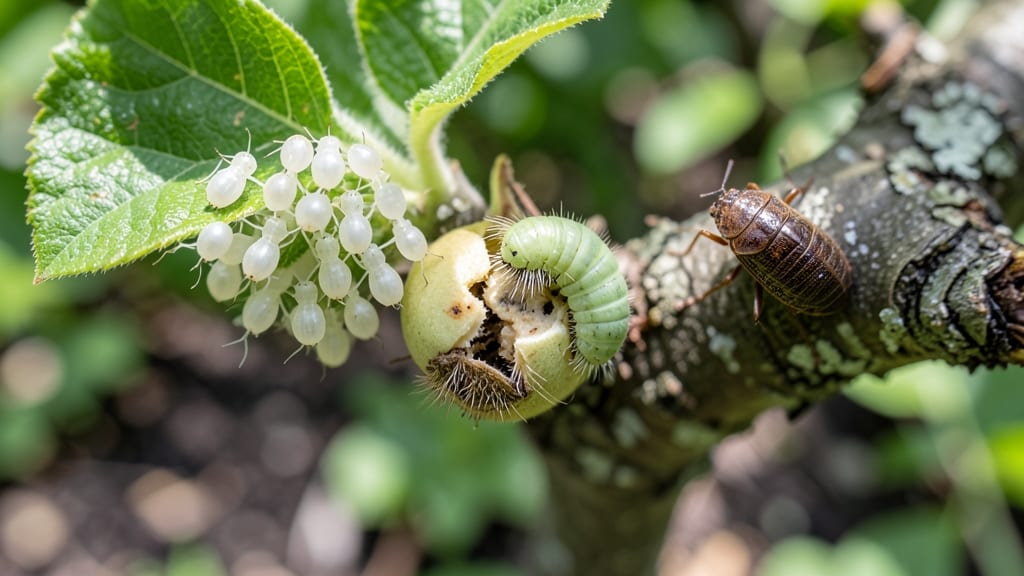
Fruit tree bugs and insects can turn your harvest into a battle zone—unless you know the right moves. 🌿 I’ve spent years watching aphids drain sap, codling moths tunnel through apples, and scale insects smother branches, and I’ve learned which natural controls actually work without harming your trees (or your conscience).
The key is catching problems early: sticky residue on leaves means aphids, tiny exit holes in fruit mean codling moths, and white cottony patches mean scale.
Most store-bought sprays mask the issue—what you really need are targeted solutions like neem oil for soft-bodied pests, pheromone traps for moths, and beneficial insects like ladybugs that eat the bad guys for free.
By mid-summer, your trees will look healthier than ever, with fewer chewed leaves and more fruit left on the branches. The best part? These methods protect pollinators while keeping pests in check, so you’re not trading one problem for another.
Seasonal timing matters—spring is for pruning out infested branches, summer for monitoring traps, and fall for cleaning up debris where pests hide. Let’s get your orchard back in balance.
Root Causes Of Fruit Tree Pests
Fruit trees attract a wide array of bugs and insects, but why do these pests target them in the first place? Understanding the underlying reasons helps you take targeted action to protect your harvest.
Here’s a breakdown of the key factors that draw insects to your fruit trees—and how they exploit them.
Fruit trees are essentially walking snack bars for insects. Their leaves and fruit are packed with sugars, proteins, and essential nutrients that many pests can’t resist. For example:
- Sap-sucking insects (like aphids and scale insects) thrive on the sweet sap flowing through leaves and stems.
- Fruit-feeding pests (such as codling moths and fruit flies) are drawn to ripe, soft fruit bursting with natural sugars.
- Leaf-chewing bugs (e.g., Japanese beetles) target tender new growth because it’s easier to digest.
Actionable insight: Healthy trees with balanced nutrients (especially nitrogen and potassium) are less appealing to pests. Mulch properly, water deeply, and fertilize wisely to reduce attractiveness.
When fruit trees are stressed—whether from drought, poor soil, disease, or improper pruning—they become far more vulnerable to insect attacks. Here’s why:
- Drought stress reduces sap flow, making leaves and fruit stickier and more concentrated with sugars, which attracts sap-suckers like aphids.
- Nutrient deficiencies (e.g., lack of nitrogen) weaken cell walls, making it easier for borers and beetles to tunnel into wood.
- Disease or fungal infections create entry points for secondary pests (e.g., bark beetles exploit fungal-damaged bark).
- Overcrowded canopies from poor pruning lead to poor air circulation, trapping humidity and inviting fungal pests like mites.
Pro tip: Monitor tree health year-round. Regularly check for wilting, discolored leaves, or unusual growth patterns—early signs of stress that pests exploit. 🌡️
Many fruit tree pests don’t just land on trees—they live there year-round. Here’s how your orchard’s environment becomes a pest paradise:
| Pest Type | How They Use Your Tree | How to Disrupt Them |
|---|---|---|
| Scale insects & mealybugs | Lay eggs in bark crevices or under dead leaves; adults hide under thick foliage. | Prune to remove dense branches; apply horticultural oil in dormant season. |
| Borers (e.g., peach tree borers) | Larvae tunnel into wounded bark (from pruning cuts or splits). | Seal pruning wounds with pruning paint; avoid summer pruning. |
| Fruit flies & wasps | Lay eggs in rotting fruit or overripe drops on the ground. | Pick up fallen fruit weekly; use traps with protein bait. |
Key takeaway: Pests thrive in cluttered, undisturbed environments. Regular sanitation (removing debris, pruning dead wood, and thinning canopies) removes their hiding spots. ✨
Not all bugs are year-round nuisances—some time their attacks to coincide with your tree’s life cycle. For example:
- Early spring: Aphids and mites emerge as new leaves unfurl, hungry for tender growth.
- Summer heat: Japanese beetles and fruit flies are most active when temperatures rise above 80°F.
- Fall moisture: Fungal pests (like mites) thrive in damp conditions, while overwintering eggs (e.g., codling moth) hatch as fruit ripens.
- Winter dormancy: Some pests (like bark beetles) attack weakened trees when they’re least resistant.
Strategic planning: Time your interventions—e.g., apply neem oil in early spring for aphids or set up traps in summer for beetles. 🎯
By addressing these root causes—nutrient balance, tree health, habitat disruption, and seasonal timing—you’ll make your fruit trees far less appealing (and accessible) to pests. The next step? Explore targeted, chemical-free control methods to keep your orchard thriving.
Natural Ways to Outsmart Tree Pests
Dealing with fruit tree bugs and insects doesn’t always require harsh chemicals—many natural solutions can keep your trees thriving while protecting the environment. Below are targeted fixes for common pests, along with proactive steps to prevent future infestations. Think of it as a pest-free toolkit for your orchard!
Cause: These sap-sucking insects cluster on new growth, leaves, and fruit, leaving behind sticky honeydew that attracts mold. Fix:- 💦 Blast Them Away: Use a strong stream of water from a hose to dislodge aphids from leaves and stems. Repeat every few days until they’re gone.
- 🌿 Introduce Beneficial Insects: Ladybugs, lacewings, and parasitic wasps (like Aphidius colemani) are natural aphid predators. Purchase them from garden centers or attract them with nectar-rich plants.
- 🍋 Homemade Spray: Mix 1 tsp of mild liquid soap or neem oil with 1 quart of water. Spray directly on infested areas in the early morning or evening to avoid harming bees.
- 🔪 Prune and Burn: Remove and destroy infested branches immediately. Seal fresh cuts with pruning paint to prevent entry.
- 🌡️ Heat Treatment: For severe infestations, wrap the trunk with a solarization sheet (plastic wrap) during summer to raise internal temperatures and kill larvae.
- 🐝 Beneficial Nematodes: Apply Steinernema carpocapsae nematodes to the soil around the tree’s drip line. These microscopic worms seek out and kill borer larvae.
- 🕷️ Pheromone Traps: Hang codling moth traps in the tree canopy during bloom. Replace lures every 4–6 weeks.
- 🍎 Bag Young Fruit: Cover fruit clusters with paper bags or mesh bags before moths emerge in spring. Remove bags when fruit is harvest-ready.
- 🌿 Kaolin Clay Spray: Apply a kaolin clay (like Surround WP) to fruit surfaces. It creates a barrier that moths avoid and deters egg-laying.
- 💦 Increase Humidity: Spider mites hate moisture. Use a mist sprayer to dampen leaves daily during dry spells or set up a drip irrigation system.
- 🌿 Neem Oil Spray: Mix 1 tbsp neem oil with 1 quart of water and ½ tsp soap. Spray undersides of leaves where mites hide.
- 🕷️ Predatory Mites: Release Phytoseiulus persimilis mites, which prey exclusively on spider mites.
Stop pests before they start with these year-round habits:
| Season | Action |
|---|---|
| 🌱 Spring |
|
| ☀️ Summer |
|
| 🍂 Fall |
|
With these natural, low-impact methods, your fruit trees can stay pest-free while keeping your garden ecosystem balanced. 🌿✨
Frequently asked questions
What are the most common fruit tree pests I should watch for?
The top culprits include aphids (tiny green/black bugs on new growth), codling moths (larvae that tunnel into apples), scale insects (brown bumps on branches), and Japanese beetles (skeletonized leaves). Early signs: sticky residue (aphids), tiny exit holes in fruit (moths), or white cottony patches (scale).
How do I know if my tree has a borer infestation?
Look for D-shaped exit holes in bark, sawdust-like frass (borer waste) at the base of the trunk, or wilting branches despite proper watering. Tap branches—if they sound hollow, larvae may be tunneling inside. Severe cases show oozing sap or fungal growth where entry points occur.
Can I use neem oil on all fruit tree pests?
Neem oil works best against soft-bodied pests like aphids, mites, and young scale insects. For borers or beetles, it’s ineffective—use beneficial nematodes instead. Always mix with water and soap, and apply in early morning or evening to avoid harming bees. Test on a small branch first!
What’s the best time of year to treat fruit tree pests?
Timing is everything! Apply dormant oil in late winter/early spring to smother overwintering pests. Set up pheromone traps during bloom season for moths, and monitor for Japanese beetles when temps hit 80°F+. Fall is for cleanup—remove fallen fruit and prune infested branches before winter.
Will beneficial insects actually solve my pest problems?
Ladybugs eat aphids, lacewings target soft-bodied pests, and parasitic wasps attack caterpillars. For best results, release them in the morning when temps are above 60°F and provide water sources (like shallow dishes with pebbles). Start with 1,000–2,000 per tree for severe infestations.