
Trees
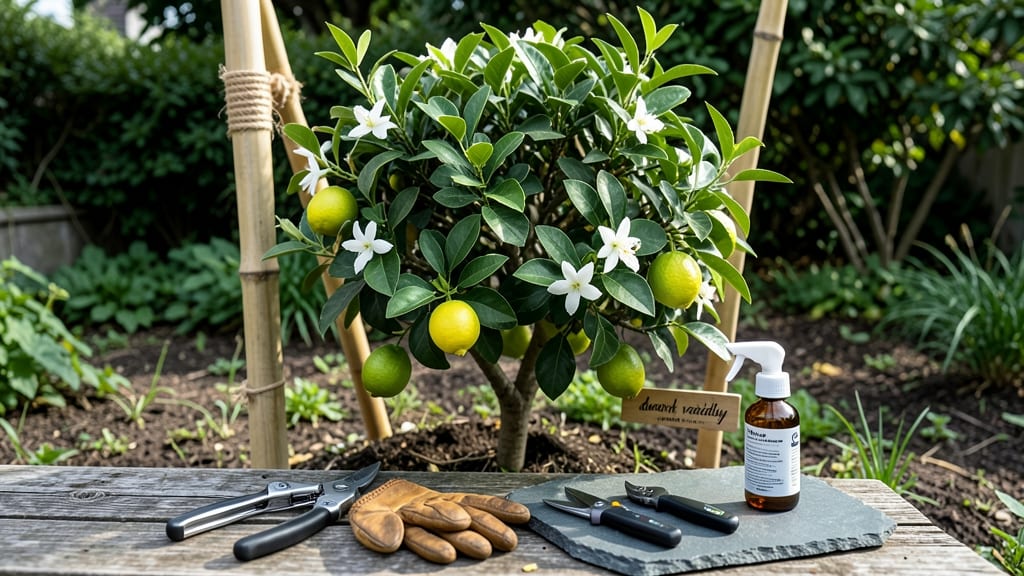
To keep fruit trees small, focus on pruning during dormancy, using containers or root barriers, and choosing dwarf varieties. Consistent trimming and proper spacing will control growth while preserving fruit quality.
Small fruit trees aren't just about aesthetics—they're about maximizing yield in limited spaces. 🌳 Pruning during late winter or early spring (dormancy season) helps shape the tree while it's not actively growing, and using sharp bypass pruners ensures clean cuts that heal faster.
For root control, container-grown varieties or root barriers create natural boundaries, while dwarf varieties like 'Patio Pearl' apples or 'Tumbling Tom' peaches mature at just 6-8 feet tall. The key is balancing size control with sunlight exposure—trees need at least 6-8 hours of direct light daily to produce fruit.
Another smart approach is to train young trees using the open-center method, where you remove the central leader and encourage multiple branches to grow outward. This creates a naturally compact shape while improving airflow and reducing disease risk.
When planting, use well-draining soil mixed with compost to support root health, and consider elevated planters for better drainage in heavy clay soils. With these methods, even small spaces can become productive orchards!
💡 In This Article
- Best Pruning Methods for Compact Fruit Trees
- Root Restriction Techniques for Small-Space Fruit Trees
Best pruning methods for compact fruit trees
Pruning is the cornerstone of keeping fruit trees small, and timing matters most. The best time to prune is during late winter or early spring—just before buds swell—when the tree is dormant but about to enter active growth.
This dormancy pruning removes excess branches that would otherwise compete for nutrients, redirecting energy to fruit production. For size control, use heading cuts (cutting back to a bud or lateral branch) to shorten branches, while thinning cuts (removing entire branches) improve airflow and reduce disease risk.
A sharp bypass pruner is essential—dull tools crush wood, inviting infections.
The right tools and technique make all the difference. Start with a 10-15% reduction of the tree's canopy in the first year to avoid shocking it. For structural training, the open-center (vase) method works best for small trees: Remove the central leader early to encourage a wide, low-branching shape.
This method is ideal for peaches, plums, and cherries, as it mimics natural growth patterns while keeping the tree under 8-10 feet tall.
In contrast, the central leader method (common for apples) requires more vertical pruning but can still be managed by limiting lateral branch length to 12-18 inches.
Seasonal adjustments are key—avoid heavy pruning in summer, as it stresses the tree and attracts pests. Instead, perform light summer pruning to shape branches and remove suckers (shoots growing from the base).
Water deeply after pruning to help the tree recover, and apply a 2-inch layer of mulch around the base to retain moisture. The goal is to create a balanced structure where sunlight penetrates the canopy evenly, ensuring even fruit ripening.
Proper pruning not only controls size but also boosts yields by up to 30% in well-maintained trees.
Advanced growers use a technique called escalator pruning, where you gradually raise the tree's canopy by cutting back lower branches over time. This keeps the tree compact while allowing sunlight to reach the ground for understory plants.
For dwarf varieties like 'Columnar' apples, pruning is minimal—just removing crossing branches and dead wood—but regular checks ensure the tree doesn’t outgrow its space. The secret? Consistency. Prune every year, even if just for maintenance, to prevent sudden overgrowth.
Don’t overlook the role of fruit spur development—short, stubby branches that bear fruit. Pruning encourages these spurs by reducing competition, so focus on thinning branches that block light from reaching the center. For example, a 6-foot-tall dwarf peach tree should have branches spaced 12-18 inches apart to prevent crowding.
This spacing ensures each branch gets adequate sunlight and air circulation, critical for disease prevention and fruit quality.
Finally, young trees benefit from structural training wires to guide branch growth. Install a 3-4 foot tall stake with horizontal wires at 12-inch intervals to encourage outward growth. This method is especially useful for espaliered trees, where branches are trained flat against a wall or fence.
With patience and precision, you can shape a tree to fit even the smallest yard while enjoying a bountiful harvest.