
Pruning
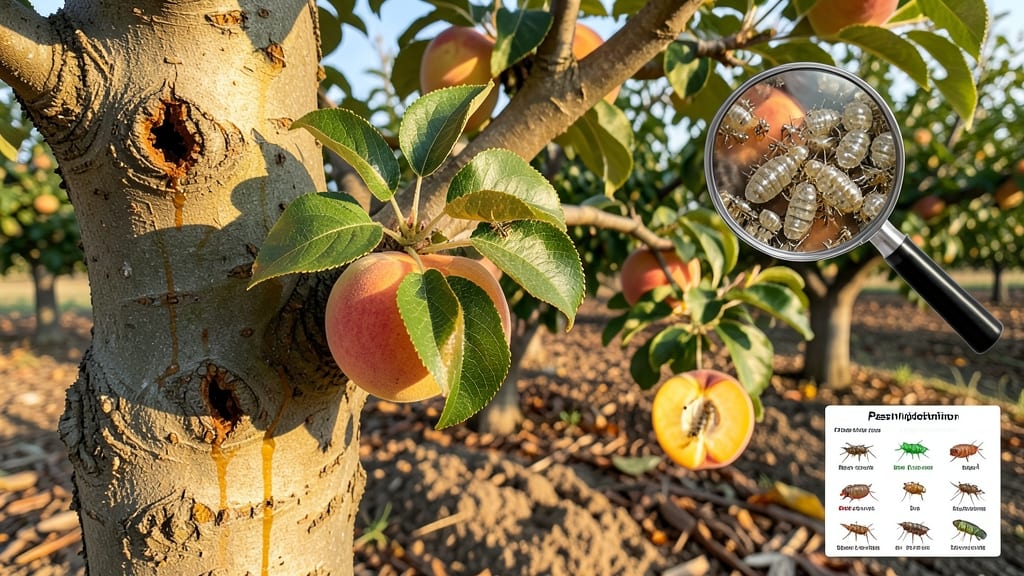
Fruit tree pests such as aphids, borers, and mites can devastate leaves, bark, and fruit, causing stunted growth and lower harvests. Spotting early warning signs—like chewed foliage, sticky sap residue, or bark holes—lets you tackle infestations organically with neem oil, beneficial insects, or strategic pruning before they become uncontrollable.
These tiny invaders don't just ruin your harvest—they weaken your tree's overall health over time. 🌱 For example, codling moths burrow into fruit, creating tunnels that make it inedible, while scale insects suck sap from branches, leaving behind a shiny, waxy residue.
The key to saving your crop lies in regular inspections during peak pest seasons (spring and summer) and acting fast when you notice the first signs of trouble.
Organic solutions work best when you combine them with good tree care habits. Pruning to improve airflow reduces humidity, which pests love, while mulching with wood chips helps beneficial nematodes thrive in the soil.
I’ve found that a weekly spray of neem oil during bloom keeps aphids at bay, and releasing ladybugs in early summer naturally controls soft-bodied insects. The earlier you intervene, the less damage your tree will suffer—and the more fruit you’ll enjoy next season.
💡 In This Article
- Common Fruit Tree Pests and Their Damage Patterns
- Step-by-Step Organic Pest Control for Fruit Trees
Common fruit tree pests and their damage patterns
Aphids are among the most common fruit tree pests, recognizable by their tiny, pear-shaped bodies clustered on new growth. These sap-sucking insects excrete honeydew—a sticky residue that attracts sooty mold, turning leaves black and reducing photosynthesis. 🌿 Their life cycle accelerates in warm weather, with colonies multiplying exponentially within weeks.
For example, a single aphid can produce 70 offspring in just 10 days, making early intervention critical.
Codling moths, on the other hand, target fruit directly by laying eggs on blossoms or young fruit. The larvae burrow into apples, pears, or peaches, creating tunnels filled with brown frass (waste). Infested fruit often drops prematurely or develops 1/4-inch holes near the stem.
Japanese beetles chew irregular holes in leaves, leaving behind a skeletonized pattern, while scale insects appear as small, immobile bumps on branches, secreting a waxy coating that protects them from predators.
The key to identifying these pests lies in understanding their feeding habits. Aphids curl leaves, Japanese beetles create lace-like damage, and borers leave D-shaped exit holes in bark.
For instance, peach tree borers tunnel under the bark, disrupting nutrient flow and causing dieback in branches. 🌳 These visual cues help you act before infestations spiral—like removing infested fruit or applying targeted sprays when you spot the first signs.
Seasonal patterns also dictate when pests are most active. Aphids peak in spring during new growth, while codling moths emerge in late spring to early summer. Japanese beetles appear in mid-summer, often synchronized with peak fruit ripening.
This timing explains why regular inspections during these windows catch problems early—before they compromise your harvest.
For example, if you notice sticky residue on leaves in May, it’s likely aphids. If you find small holes in fruit in July, codling moths may be the culprit.
Each pest leaves distinct clues, allowing you to tailor your response—whether it’s a neem oil spray for aphids or pheromone traps for codling moths.
Beyond visual damage, pests weaken trees by disrupting their ability to photosynthesize or transport nutrients. A heavily infested tree may show stunted growth, yellowing leaves, or reduced fruit set. 🌱 This systemic stress makes trees more vulnerable to secondary infections, like fungal diseases, compounding the problem.
Understanding these patterns lets you shift from reactive to proactive pest management. For instance, pruning to remove infested branches in early spring reduces overwintering sites for borers, while mulching with wood chips deters Japanese beetles by making the soil less hospitable.
The goal is to break the pest life cycle before it gains momentum.