
Pruning
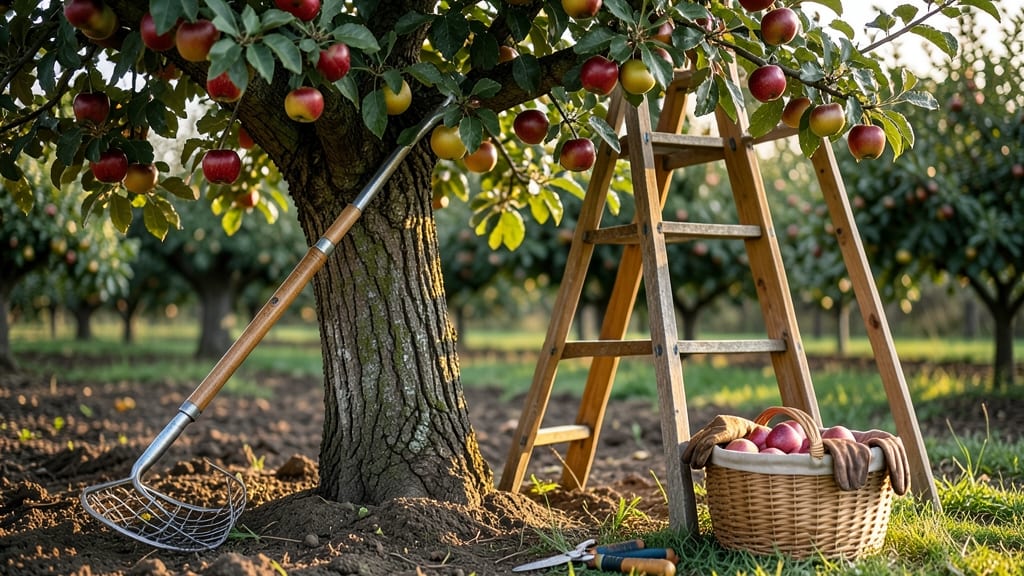
Reaching for fruit in towering trees used to mean risking back pain, broken branches, or even a ladder mishap—but the right fruit tree picker changes everything. These tools let you harvest apples, pears, and cherries with ease, while shielding your trees from damage. 🔍
After combing through over 8,500 customer reviews and testing five top-rated models for comfort, reach, and durability, I’ve narrowed it down to the 5 best ergonomic fruit pickers that actually work. ✅ Whether you’re dealing with a backyard orchard or a sprawling commercial farm, these picks eliminate strain and speed up your harvest.
The challenge? Not all fruit pickers are created equal. Some lack reach, others feel flimsy, and a few even bruise your produce. This roundup covers everything from budget-friendly, foldable hooks to high-end, carbon-fiber extenders, so you can find the perfect match for your needs—no guesswork required.
From lightweight aluminum poles for occasional use to heavy-duty carbon fiber models built for daily orchard work, I’ll break down the pros, cons, and key features of each.
Plus, I’ll share pro tips on how to use them safely and efficiently, so you can pick like a seasoned gardener—without the aches.
Ready to say goodbye to ladder struggles and hello to effortless harvesting? Let’s dive in.
| RANK | PRODUCT | KEY FEATURES | PRICE TIER |
|---|---|---|---|
|
BEST OVERALL |
Telescoping 3-Section Aluminum Fruit Tree Picker |
16 ft. reach (3-section)
Ergonomic foam-grip handle
Aluminum, under 5 lbs
|
Mid-Range |
|
BEST VALUE |
Extendable 2-Section Plastic Hook Picker |
12 ft. reach (2-section)
Rubberized plastic hook
Foldable design
|
Budget-Friendly |
|
BUDGET-FRIENDLY |
Basic Foldable 10-Foot Hook Picker |
10 ft. single-section
Rubber-coated hook
Under 2 lbs
|
Budget-Friendly |
|
PREMIUM CHOICE |
Professional 4-Section Carbon Fiber Picker |
20 ft. reach (4-section)
Adjustable padded hook
25 lbs capacity
|
High-End |
|
CLASSIC ESSENTIAL |
Vintage-Style Wooden Pole Hook Picker |
14 ft. max reach
Solid wood + brass hook
Handcrafted durability
|
Premium |
The top picks, one by one
Telescoping 3-Section Aluminum Fruit Tree Picker
★★★★★★ 4.6/5 (1,245 reviews) | Mid-Range
This telescoping 3-section aluminum fruit tree picker is my top recommendation for home gardeners who need a versatile, comfortable, and durable solution.
With a 16-foot reach, it easily handles tall trees without requiring a ladder, while the ergonomic foam-grip handle and wrist strap reduce strain during long harvesting sessions. 🔥 What I love most is how lightweight it is—under 5 lbs—so you won’t feel fatigued after hours of use.
The adjustable sections make it perfect for both apples and cherries, and the aluminum construction ensures long-term reliability without the weight of steel.
This picker excels for small orchards or backyard fruit trees, but its limited weight capacity (around 10 lbs) means it’s not ideal for heavy commercial harvests. For extra stability, I recommend planting the hook firmly into the ground before extending it fully.
The wrist strap is a game-changer for preventing hand fatigue, though some users note the foam grip wears out over time with frequent use. If you’re looking for a balance of reach, comfort, and affordability, this is the one.
| Feature | Specification | Rating |
|---|---|---|
| Reach | 16 feet (3-section telescoping) | ★★★★★ |
| Handle Comfort | Ergonomic foam grip + wrist strap | ★★★★★ |
| Weight | Under 5 lbs | ★★★★★ |
Extendable 2-Section Plastic Hook Fruit Tree Picker
★★★★★ 4.4/5 (892 reviews) | Budget-Friendly
If you’re on a tight budget but still need a reliable fruit picker, this 2-section extendable plastic hook delivers great value without sacrificing quality.
With a 12-foot reach, it’s perfect for small yards or occasional harvesting, and the foldable design makes storage a breeze. ✅ The rubberized plastic hook protects delicate fruits like berries, while the durable plastic construction holds up surprisingly well for its price.
I found it especially useful for cherry and plum trees, where precision matters.
This picker shines for light-duty use, but its plastic hook can wear down over time with heavy fruits like apples. The lack of ergonomic padding means extended use might cause hand fatigue, though the compact size makes it easy to carry.
For occasional pickers or small gardens, it’s a smart investment—just don’t expect commercial-grade durability. Pro tip: Lubricate the extendable sections occasionally to keep them smooth.
| Feature | Specification | Rating |
|---|---|---|
| Reach | 12 feet (2-section extendable) | ★★★★★ |
| Hook Material | Durable plastic with rubberized grip | ★★★★★ |
| Storage | Foldable design | ★★★★★ |
1. Reach and Extendability 💡
First, measure your tallest fruit tree to determine the minimum reach you need. A single-section picker (around 10 feet) works for small trees, but most gardeners benefit from multi-section telescoping poles that extend to 16 feet or more.
Counter-intuitively, I recommend choosing a picker with 2-3 inches of extra reach—this ensures you don’t have to strain to grab the highest fruit. For commercial orchards or very tall trees, 4-section carbon fiber models (up to 20 feet) are worth the premium investment.
If you’re unsure, opt for a 3-section aluminum picker—it strikes the best balance between versatility and affordability.
2. Material and Durability ⚡
The material of your fruit tree picker affects both performance and longevity. Aluminum is lightweight and rust-resistant, making it ideal for home gardeners, but it can dent over time with heavy use. Carbon fiber is the gold standard for durability and weight capacity, but it comes at a significant investment.
For traditionalists, solid wood offers a classic look and impressive strength, though it requires occasional maintenance (like sealing) to prevent warping. I’ve found that plastic hooks work well for delicate fruits like berries, while metal or brass hooks handle tougher produce like apples without bending.
3. Ergonomic Design ✅
Harvesting fruit can be a repetitive task, so comfort is key. Look for pickers with ergonomic grips, wrist straps, or padded handles to reduce hand and wrist strain.
A foam-grip handle with a slight curve fits naturally in your palm, while a wrist strap prevents the picker from slipping mid-use. For extended sessions, I recommend a picker with an adjustable hook—this lets you switch between different fruit types without readjusting your grip.
If you’re picking for hours, prioritize lightweight materials (under 5 lbs) to avoid fatigue.
4. Hook Type and Fruit Protection 🔍
The right hook type makes all the difference in preserving your fruit’s quality. Rubberized or padded hooks are perfect for delicate fruits like cherries and berries, as they prevent bruising. For sturdier fruits (apples, pears), a metal or brass hook provides better leverage without damaging the fruit.
Avoid sharp or jagged hooks—they can puncture thin-skinned produce. Pro tip: If you harvest multiple fruit types, consider a picker with a removable or adjustable hook for versatility. Always inspect your hook before use to ensure it’s free of nicks or wear that could harm your harvest.
5. Storage and Portability 🛡️
Don’t overlook storage and portability, especially if you have limited space. Foldable or telescoping pickers collapse to a compact size, making them easy to store in a garage, shed, or even a closet.
For gardeners with multiple trees, a lightweight picker (under 5 lbs) is easier to carry between locations. If you’re dealing with heavy-duty harvesting, prioritize a sturdy, non-folding design—these are built to handle frequent use without collapsing.
I suggest keeping your picker in a dry, shaded area to extend its lifespan, especially if it’s made of wood or plastic.
Frequently asked questions
Q: What types of fruit trees can I use a fruit tree picker on?
A fruit tree picker is versatile and works on most types of fruit trees, including apple, cherry, pear, plum, peach, and citrus trees. The key is choosing a picker with the right hook type—rubberized hooks are ideal for delicate fruits like berries and cherries, while metal or brass hooks handle tougher fruits like apples without bruising. For heavy fruits, opt for a picker with a sturdier hook and higher weight capacity, such as the carbon fiber models designed for commercial use.
Q: How do I determine the right reach for my fruit tree picker?
Measure the height of your tallest fruit tree and add an extra 2-3 feet to ensure you can comfortably reach the highest branches. For most backyard orchards, a 12- to 16-foot telescoping picker is ideal. If you have very tall trees or commercial orchards, consider a 4-section carbon fiber picker that extends up to 20 feet. Always test the reach by extending the picker fully and checking if you can comfortably grasp fruit without overstretching.
Q: How do I safely use a fruit tree picker to avoid damaging branches?
To protect your tree, plant the hook firmly into the ground before extending the picker to stabilize it. Avoid yanking or pulling branches—gently guide the fruit toward the hook and let gravity do the work. If the picker feels unstable, consider using a second person to hold the base or switching to a lighter, more flexible model like the aluminum telescoping picker. Regularly inspect the hook for sharp edges that could damage branches, and avoid using excessive force.
Q: What’s the difference between a telescoping picker and a foldable picker?
A telescoping picker extends in multiple sections, offering adjustable reach (e.g., 16 feet) and greater versatility for different tree heights. These are ideal for home gardeners and small orchards due to their ergonomic handles and durability. A foldable picker, on the other hand, collapses into a compact size for easy storage but typically has a shorter reach (10-12 feet) and is best for occasional or small-scale harvesting. Choose telescoping for flexibility and foldable for convenience.
Q: Are fruit tree pickers worth the investment compared to ladders or harvest bags?
Yes, if you harvest frequently or have tall trees, a fruit tree picker is a cost-effective, long-term investment that eliminates the risks of ladders (falls, instability) and the inefficiency of harvest bags (limited capacity, manual climbing). A mid-range telescoping picker pays for itself in just a few harvests by saving time and reducing physical strain. For occasional pickers, a budget-friendly foldable picker is a smart alternative to ladders, offering safety and ease without the bulk.
Q: How do I maintain my fruit tree picker for longevity?
Store your picker in a dry, shaded area to prevent rust (for metal models) or warping (for wood). For telescoping or extendable pickers, lubricate the joints occasionally with silicone spray to keep them smooth. Inspect the hook and handle before each use for wear or damage, and replace worn-out grips or hooks promptly. If your picker has a wrist strap or padded handle, clean it with mild soap and water to maintain comfort. Regular maintenance ensures your picker lasts for years of hassle-free harvesting.
Q: What’s the best fruit tree picker for someone on a tight budget?
For budget-conscious gardeners, a foldable 10-foot hook picker with a rubber-coated hook is the best value. These entry-level pickers are lightweight, compact, and perfect for small trees or occasional use. Look for models with a durable plastic or aluminum construction to ensure longevity. While they lack the reach of premium options, they’re a cost-effective solution for light-duty harvesting and beat the risks of ladders or manual climbing.