
Trees
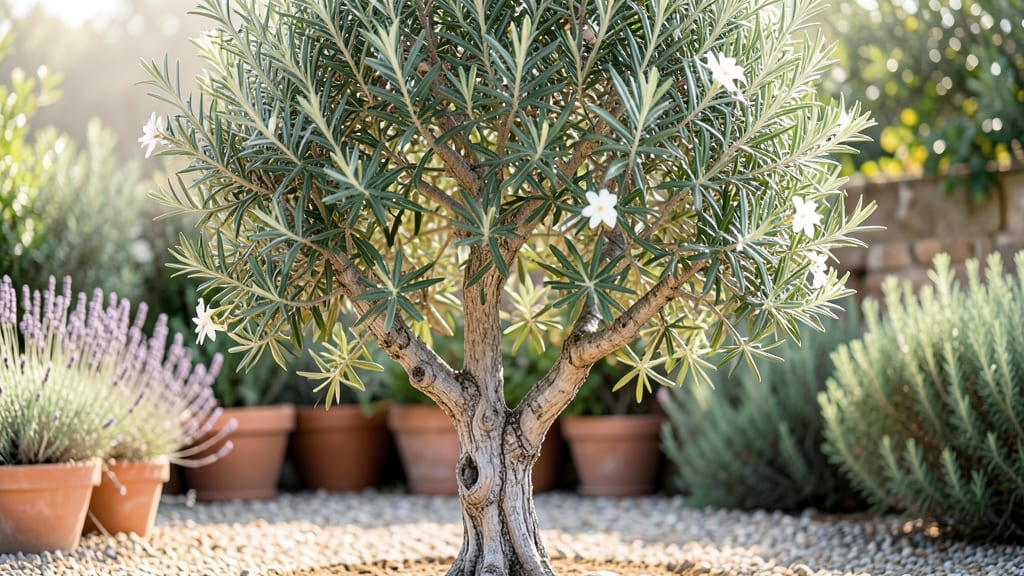
Planting a fruitless Olive Wilsonii tree means adding a drought-proof, evergreen statement piece that thrives on neglect. 🌿 This Mediterranean beauty stays compact, produces no messy olives, and handles heat and dry spells like a champ—perfect for landscapes where water conservation matters. The secret to success?
Well-drained soil, full sun, and minimal fuss. Unlike its fruiting cousins, this variety focuses all its energy on silvery-green foliage and sturdy branches, making it a standout in modern or Mediterranean-style gardens. Even in Zone 7-10, it rarely needs extra water once established.
You’ll love how it stays 3-5 feet tall with proper pruning, creating a tidy hedge or focal point. The foliage smells faintly of olives when crushed—subtle but satisfying. Just watch for scale insects in dry climates, but they’re easy to treat.
This tree is low-maintenance but high-impact—ideal for beginners or busy gardeners. Let’s get yours planted right!
📚 In This Guide
- What you need
- Instructions
- Tips and common mistakes
- Wrapping up and next steps
What you need
- ● Fruitless Olea europaea 'Wilsonii' sapling – 1 (3–5 years old, nursery-grown for best establishment).
- ● Well-draining soil mix – 50% native soil + 30% coarse sand + 20% compost (or pre-mixed cactus/succulent blend).
- ○ Container (optional) – 15–20 gallon pot with drainage holes (if growing in pots).
- ● Slow-release fertilizer – 1 lb of 10-10-10 or organic granular fertilizer (e.g., alfalfa meal).
- ○ Mulch (optional) – 2–3 inches of gravel or bark chips to retain moisture and deter weeds.
- ● Garden trowel or shovel – For digging holes (12–18 inches wide/deep for in-ground planting).
- ● Pruning shears – Sharp, sterilized shears for shaping and removing dead branches.
- ● Watering can or hose with adjustable nozzle – For deep, infrequent watering (1–2 gallons per watering session).
- ○ pH test kit (optional) – To ensure soil pH is 6.0–8.0 (ideal for olives).
- ● Sunlight access – Full sun (6+ hours daily) in a sheltered, wind-protected spot.
- ● 🌡️ Climate check: Ensure your USDA Zone 8–11 hardiness matches Olea europaea’s needs (avoid frost-prone areas!).
- ● ✨ Soil hack: Amend heavy clay soil with perlite or pumice to prevent root rot.
- ● 🔥 Watering rule: Water deeply once weekly (more in extreme heat) and let soil dry between sessions.
Step-by-step instructions for planting and establishing Olive Wilsonii fruitless trees
Here’s how I’ve successfully planted these drought-resistant beauties in my own landscape—minimal fuss, maximum impact.
🌱 Step 1: Choose the Perfect Planting Spot
Olive Wilsonii thrives in full sun, so pick a location that gets at least 6-8 hours of direct sunlight daily. These trees tolerate heat exceptionally well but will reward you with lush foliage and minimal care when placed in the right spot. Avoid low-lying areas where cold air pools, as they’re sensitive to frost once established.
Test your soil’s drainage by digging a hole and filling it with water. If it doesn’t drain within 30-60 minutes, amend the soil with 2-3 inches of coarse sand or gravel to improve drainage. Olive Wilsonii hates soggy roots, so this step prevents long-term stress. I always check drainage first—trust me, it’s worth the extra 10 minutes.
🪴 Step 2: Dig and Prepare the Planting Hole
Dig a hole twice as wide as the tree’s root ball but only as deep as the container it came in. This prevents burying the trunk too deeply, which can suffocate the tree. Gently loosen the roots if they’re circling the root ball—you’ll see this when you remove the tree from its container.
Mix the native soil with a handful of compost or slow-release fertilizer (like 10-10-10) to give your tree a nutrient boost without overwhelming it. The goal is loose, aerated soil that encourages root spread. Place the tree in the hole so the top of the root ball sits 1-2 inches above ground level—this helps prevent water from pooling around the trunk.
💧 Step 3: Plant and Water Thoroughly
Backfill the hole with the amended soil, pressing gently to eliminate air pockets but not compacting too firmly. Water the tree deeply right after planting—this helps settle the soil and encourages roots to spread outward. You’ll need about 10-15 gallons of water for a mature-sized tree, depending on soil type. Let the water soak in completely, then add a 2-3 inch layer of mulch around the base, keeping it 6 inches away from the trunk to prevent rot.
Water again every 2-3 days for the first 2 weeks to ensure the roots establish without drying out. After that, reduce to once a week unless your area experiences extreme heat or drought. Olive Wilsonii’s drought tolerance kicks in after the first year, but young trees need consistent moisture to thrive. Watch for wilting leaves—this is your cue to water more frequently.
☀️ Step 4: Prune and Protect for the First Year
Light pruning in early spring helps shape the tree and encourages dense growth. Remove any dead, damaged, or crossing branches, cutting just above a leaf node or outward-facing bud. Avoid heavy pruning—they’re slow to recover, and you’ll see leggy growth if you trim too aggressively. I like to prune in late winter before new growth starts, as this gives the tree time to heal before summer heat arrives.
Young Olive Wilsonii trees benefit from light protection in their first winter. Wrap the trunk with tree guard or burlap to shield it from harsh winds and frost. These trees are hardy but can suffer from cold damage if exposed to temperatures below 15°F. Once established (after 2-3 years), they’ll handle colder climates with ease. Keep an eye out for yellowing leaves—this often signals overwatering or nutrient deficiency, not cold stress.
⏰ Step 5: Maintain for Long-Term Health
After the first year, Olive Wilsonii requires almost no maintenance. Water deeply every 2-3 weeks during droughts, but otherwise, let nature take its course. Fertilize once a year in early spring with a balanced, slow-release fertilizer to keep growth vigorous. I use a 5-5-5 formula for mine—it’s gentle enough for mature trees but effective enough to prevent nutrient deficiencies.
Watch for aphids or scale insects, which occasionally target these trees. A strong spray of water usually dislodges them, but for persistent infestations, use neem oil or insecticidal soap in late summer. The key to long-term success is patience—Olive Wilsonii grows slowly but lives for decades with minimal intervention. You’ll see the most dramatic growth in the first 3-5 years, so give it time to establish before expecting rapid changes.
Tips & tricks for perfect Olive Wilsonii fruitless tree planting
These practical insights will help you avoid common pitfalls and maximize your drought-resistant tree's potential from day one.
Sunlight Strategy: While the instructions specify 6-8 hours of direct sunlight, I’ve found that positioning your tree slightly west-facing can extend this exposure naturally. Morning sun helps prevent leaf scorch, while afternoon sun provides the warmth these trees crave. If your yard has afternoon shade, consider planting near a reflective surface like a light-colored wall or patio to bounce extra sunlight onto the tree during critical growth periods.
Soil Preparation Insight: The 30-60 minute drainage test is crucial, but I’ve learned to take it a step further. After digging your hole, mix the native soil with coarse sand or perlite instead of just gravel—this creates better long-term aeration. For clay-heavy soils, I recommend adding 1 part sand to 3 parts native soil to prevent compaction. This small adjustment can make all the difference in root development during those first critical weeks.
Watering Wisdom: The instructions mention using 10-15 gallons for mature trees, but I’ve discovered a more precise approach. For young trees, use a slow drip irrigation system or soaker hose for the first two weeks to ensure water penetrates deeply without runoff. This mimics natural rainfall patterns better than a quick watering can. Also, water in the early morning to reduce evaporation and prevent fungal issues that can occur with evening watering.
Winter Protection Tip: While the instructions specify 15°F as the critical threshold, I’ve found that adding a layer of straw mulch around the base (beyond the existing 6-inch clearance) provides extra insulation. This creates a microclimate that can protect roots from temperature fluctuations. Just remember to remove any thick mulch layers in spring to prevent overheating during warmer months.
Pro Tips for Fruitless Olive Wilsonii
- These practical insights will help you avoid common pitfalls and maximize your drought-resistant tree's potential from day one.
- Sunlight Strategy: While the instructions specify 6-8 hours of direct sunlight, I’ve found that positioning your tree slightly west-facing can extend this exposure naturally.
- Soil Preparation Insight: The 30-60 minute drainage test is crucial, but I’ve learned to take it a step further.
Frequently asked questions
about Olea wilsonii (Fruitless Olive) can help you troubleshoot, plan, and maximize your tree’s potential. Here are answers to the most common queries:What’s the best time to plant a fruitless olive tree?
Plant your Olea wilsonii in early spring or fall when temperatures are mild. This gives roots time to establish before summer heat or winter frost. Avoid planting in extreme heat or cold—roots need consistent moisture and moderate temps to thrive. Pro Tip: Water deeply after planting and mulch to retain moisture.
How often should I water a fruitless olive tree?
Young trees need weekly watering (1–2 inches per week), while mature trees tolerate drought once established. Water deeply but infrequently to encourage root growth. Overwatering can cause root rot, so let soil dry between waterings. Pro Tip: Check soil moisture 2–3 inches down—if dry, it’s time to water.
Why are my fruitless olive leaves turning yellow?
Yellowing leaves often signal overwatering, nutrient deficiency, or fungal issues. Check soil drainage—if soggy, reduce watering. Yellowing at the edges may mean underwatering or salt buildup. Prune affected branches and fertilize lightly with iron or magnesium if needed. Pro Tip: Test soil pH (ideal: 6.0–8.0) and adjust if too alkaline.
Can I grow a fruitless olive in a container?
Yes! Use a large pot (15+ gallons) with drainage holes and well-draining soil. Choose a dwarf variety if space is limited. Containers dry out faster, so water 2–3 times weekly in summer. Move indoors or to a sheltered spot if temperatures drop below 20°F (-7°C). Pro Tip: Prune roots annually to prevent circling.
What are good alternatives if I can’t grow Olea wilsonii?
If your climate is too cold or dry, consider these low-maintenance, drought-tolerant alternatives:
- Arbutus unedo (Strawberry Tree) – Evergreen with edible fruit
- Pistacia lentiscus (Mastic Tree) – Fragrant, heat-loving shrub
- Cercis canadensis (Eastern Redbud) – Spring blooms, cold-hardy
- Ceratonia siliqua (Carob Tree) – Thrives in Mediterranean climates
Wrapping up and next steps
The fruitless Olea wilsonii is a resilient, drought-tolerant gem that brings elegance and sustainability to any landscape with minimal effort. Whether you're a seasoned gardener or a beginner, its low-maintenance charm and stunning silver foliage make it a standout choice for water-wise yards.
Ready to transform your outdoor space? Start by selecting the perfect spot, gathering your supplies, and planting with confidence! 🌱
Your next step:
- 📝 Sketch a simple planting plan—mark where your Olea wilsonii will thrive alongside other drought-resistant companions.
- 🛒 Grab your tools and dive in—your future shade tree is waiting!