
Fertilization
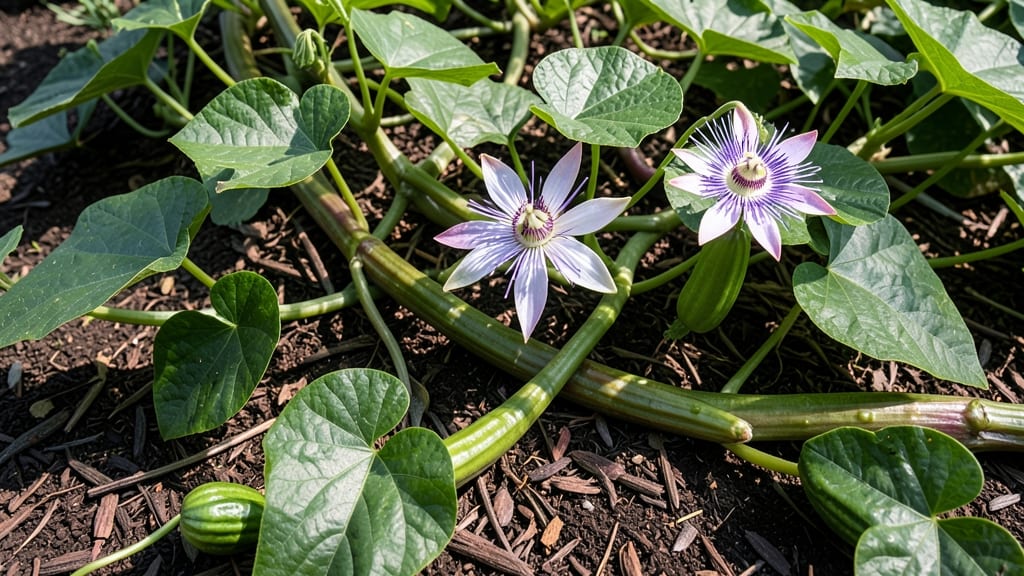
Growing giant granadilla passion fruit in containers is like nurturing a tropical treasure. 🌿 These vines produce foot-long fruits with sweet, custard-like pulp—far bigger than the passion fruits you’ve seen at the store. The key?
Mimicking their native rainforest conditions in pots, even if you don’t live in a tropical zone. The secret starts with well-draining soil mixed with compost and a 10-gallon minimum container. Place them in full sun (6+ hours daily) and water when the top inch feels dry—never soggy.
Prune leggy growth in early spring to encourage bushier vines and more fruit. By midsummer, you’ll spot those unique trumpet-shaped flowers, followed by fruits that take 5-6 months to ripen. The harvest? A vibrant orange treasure you’ll want to share (or eat straight from the vine).
Works in zones 9-11, but with winter protection (move indoors or insulate pots), you can grow them almost anywhere. Let’s get those vines thriving!
📚 In This Guide
- What you need
- Instructions
- Tips and common mistakes
- Wrapping up and next steps
What you need
- ● Giant granadilla seeds or young plants: 1-2 (ensure they’re disease-free and from a reputable source).
- ● Large containers (5+ gallons each): At least 2-3 containers per plant (drainage holes required!).
- ● High-quality potting mix: 1 bag (well-draining, organic blend with perlite or coconut coir).
- ● Slow-release fertilizer: 1 bag (balanced 10-10-10 or organic options like composted manure).
- ● Organic liquid fertilizer: 1 bottle (e.g., fish emulsion or seaweed extract for foliar feeding).
- ● Trellis or sturdy support: 6-8 ft tall (bamboo stakes, wire mesh, or A-frame trellis).
- ● Pruning shears: 1 pair (sterilized with rubbing alcohol).
- ○ Mulch (optional but helpful): Straw, wood chips, or shredded leaves (1-2 inches thick).
- ● Sunlight: Full sun (6+ hours daily). Partial shade in extreme heat (if temps exceed 90°F/32°C).
- ● Temperature: Thrives in USDA Zones 10-12. Use a greenhouse or move containers indoors (<60°F/15°C) if frost threatens.
- ● Watering routine: Keep soil consistently moist (not soggy!). Drip irrigation or self-watering containers are ideal.
- ● Humidity: Mimic tropical conditions with regular misting or a humidity tray (especially indoors).
- ● Patience: Giant granadillas take 12-18 months to bear fruit—plan ahead!
- ● Use black or dark-colored containers to absorb heat and extend the growing season.
- ● Add 1 tbsp of Epsom salt to the potting mix for magnesium boost (helps with vine health!).
- ● Rotate containers quarter-turn weekly to ensure even sunlight exposure.
- ● For faster germination, soak seeds in warm water for 24 hours before planting.
Step-by-step instructions for cultivating giant granadilla passion fruit in containers
Here's how to grow these exotic vines at home, even in cooler climates.
🌱 Step 1: Select the Right Container and Prepare the Growing Medium
Choose a 5-gallon or larger container with drainage holes—giant granadillas need room for their sprawling roots. I use a fabric grow bag because it allows excess water to evaporate while preventing root circling. Fill the bottom third with coarse gravel for drainage, then add a well-draining potting mix blended with 20% perlite to prevent compaction.
This vine thrives in sandy, slightly acidic soil (pH 6.0-7.0). Mix in 1 cup of compost and a handful of slow-release fertilizer (10-10-10 ratio) to give it a nutrient boost. Avoid garden soil—it compacts in containers and suffocates roots. Tap the container gently after filling to settle the mix without compacting it.
☀️ Step 2: Plant and Provide Immediate Warmth
Dig a hole in the center of the container twice as wide as the root ball but no deeper. Place your bare-root cutting or potted plant in the hole, spreading roots outward if possible. Backfill with the prepared mix, pressing lightly to eliminate air pockets. Water deeply until it drains from the bottom holes—this helps settle the soil and eliminates air gaps.
Giant granadillas are tropical and need consistent warmth. Keep the container in a spot where temperatures stay above 60°F—a greenhouse, sunroom, or even a heat mat under the pot if indoors. If outdoors, move it to a protected patio during cooler months. The first few weeks are critical; without warmth, new growth slows dramatically.
💧 Step 3: Water and Fertilize for Rapid Growth
Water when the top 2 inches of soil feel dry—giant granadillas hate soggy roots but need consistent moisture. I use a drip irrigation system or watering can with a narrow spout to avoid disturbing the soil. Fertilize every 4-6 weeks with a balanced liquid fertilizer (20-20-20) diluted to half strength. Too much fertilizer burns roots, so always follow package instructions.
Watch for new leaf growth—this is your cue that the plant is establishing. If leaves yellow, it’s often overwatering or poor drainage. Adjust your watering schedule until you see deep green, glossy leaves with a healthy sheen. Prune any leggy or weak stems early to encourage bushier growth.
✂️ Step 4: Train and Prune for Fruit Production
Giant granadillas need strong support—install a 6-8 foot trellis or sturdy bamboo stake as soon as the vine reaches 3 feet. Gently weave the main stem around the support and secure it with soft plant ties. This prevents breakage and keeps the fruit off the ground, reducing rot risk.
Prune in late winter or early spring before new growth begins. Remove dead or diseased branches first, then cut back overly long vines by one-third to encourage branching. I also pinch off the first few flowers—this sounds counterintuitive, but it redirects energy into stronger root and vine growth, leading to bigger, more productive fruit later.
🌿 Step 5: Protect and Harvest for Maximum Yield
As fruit begins to form, reduce water slightly to concentrate sweetness. Giant granadillas need full sun (6+ hours daily)—if indoors, supplement with a grow light 12-14 hours a day. Watch for pests like aphids or spider mites, which thrive in dry conditions. Spray with neem oil at the first sign of infestation to prevent spread.
Harvest when the fruit is fully colored and slightly soft to touch—this usually takes 6-8 months after flowering. Twist gently until it separates from the vine; don’t cut the stem. Store unripe fruit at room temperature to ripen slowly. Once ripe, giant granadillas keep for 2-3 weeks in the fridge. The flavor? Like a tropical cross between pineapple and mango—worth every step!
Tips & tricks for thriving giant granadilla passion fruit in containers
Growing tropical vines in containers comes with unique challenges—and these insights will help you avoid the most common pitfalls while maximizing your harvest.
Container Selection: Fabric grow bags are my go-to because they prevent root circling, which is crucial for vines that spread aggressively. If you don't have a fabric bag, use a sturdy plastic container with drainage holes—but avoid glazed ceramic or metal, which can overheat roots. The 5-gallon minimum size is non-negotiable; I've seen smaller containers restrict growth within just a few months.
Soil Science: The sandy, acidic mix (pH 6.0-7.0) is essential, but don't overlook the perlite—it creates those tiny air pockets that prevent compaction. I've found that pre-mixing your potting soil with perlite and compost before planting saves time later. Pro tip: Test your soil pH before planting; giant granadillas are sensitive to alkaline conditions, which can stunt growth. A simple pH test kit from your garden center works perfectly.
Warmth Strategy: The 60°F minimum temperature is critical, but maintaining consistent warmth is where most beginners struggle. If your space dips below this, consider a small greenhouse or even a heated propagation mat placed under the container. I've had success using a simple heat lamp on a timer during cooler evenings—just make sure it's positioned safely away from leaves to prevent scorching.
Pruning Paradox: Pinching off those first few flowers might seem counterintuitive, but it's a game-changer for fruit size. The plant redirects energy to establish stronger roots and vines first, which leads to more robust growth and larger fruit later. I start pruning when the vine reaches about 2 feet tall, removing any flowers until the vine has established at least 3 strong main stems. This takes patience, but the payoff in fruit size is worth it.
Pro Tips for Giant Granadilla Passion Fruit
- Growing tropical vines in containers comes with unique challenges—and these insights will help you avoid the most com...
- Container Selection: Fabric grow bags are my go-to because they prevent root circling, which is crucial for vines tha...
- Soil Science: The sandy, acidic mix (pH 6.0-7.0) is essential, but don't overlook the perlite—it creates those tiny a...
Frequently asked questions
Got questions about growing giant granadilla passion fruit? You’re not alone—this tropical vine has unique needs! Here are answers to the most common queries to help you cultivate success, even in containers.
How long does it take for giant granadilla vines to bear fruit?
Patience is key! Giant granadilla vines typically take 12–24 months from planting to produce fruit, depending on growing conditions. In ideal climates (warm, humid, and frost-free), you might see flowers and fruit sooner—sometimes as early as 9–12 months. Container-grown vines may take slightly longer due to limited root space, so ensure they’re well-fed and supported.
Can giant granadilla survive light frosts, or do I need to protect it?
This tropical beauty is not frost-tolerant—even a light freeze (32°F/0°C) can damage or kill the vine. If you live in a cooler climate, grow it in containers and move it indoors or to a greenhouse during winter. Use row covers or mulch for extra protection if frost is a rare but possible threat. Pro tip: Monitor your local frost dates and plan accordingly!
What’s the best way to use giant granadilla fruit in cooking?
Giant granadilla’s sweet, tangy flavor makes it a star in both sweet and savory dishes! Try it in smoothies, sorbets, or desserts (like passion fruit cheesecake), or use it to marinate meats or add a tropical twist to salsas and ceviche. The seeds are edible, so no need to remove them—just scoop and enjoy! For a fun twist, blend the pulp with coconut milk for a creamy, tropical drink.
Why aren’t my giant granadilla flowers turning into fruit?
Several factors could be at play. First, check for pollination—giant granadilla flowers are self-pollinating, but gentle hand-pollination with a small brush can help. Other culprits include temperature stress (too hot or cold), nutrient deficiencies (especially nitrogen or phosphorus), or lack of sunlight. If your vine is healthy but still struggling, try fertilizing with a balanced tropical plant food and ensure it gets 6+ hours of sunlight daily.
Are there dwarf or compact varieties of giant granadilla for small spaces?
Unfortunately, no true dwarf varieties of giant granadilla exist—this vine is naturally vigorous and can grow 20–30 feet with proper care. However, you can prune aggressively to manage size and grow it in large containers (15+ gallons) with a sturdy trellis. For smaller spaces, consider passion fruit varieties like ‘Panama Yellow’ or ‘Sweet Granadilla’, which are more compact but still productive. Pro tip: Use vertical gardening to maximize space!
Wrapping up and next steps
Growing giant granadilla passion fruit in containers is a rewarding adventure—one that brings luscious, tropical flavors to your doorstep! 🌱 With the right soil, sunlight, and fertilization, these vines can thrive even in small spaces. Whether you're a beginner or a seasoned gardener, the key is patience and consistency.
Ready to take the next step? Start by planting your seedling or transplanting a young vine, then monitor its growth closely. Before you know it, you’ll be harvesting juicy, aromatic fruit that’s perfect for smoothies, desserts, or fresh eating. Happy growing—your tropical oasis awaits! 🍈✨