
Fertilization
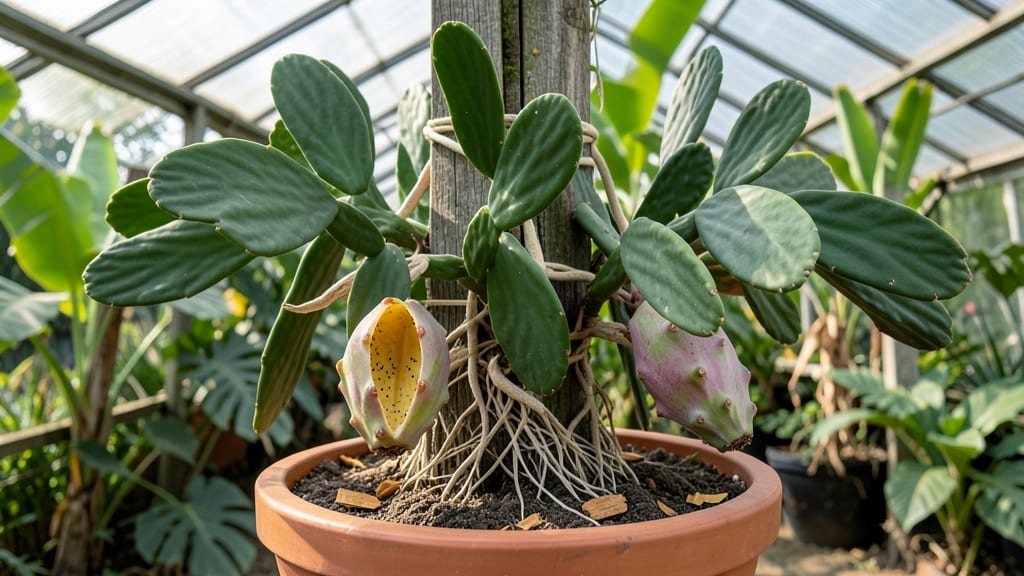
Growing gold dragon fruit yields fruit with sun-kissed yellow flesh—unlike the magenta varieties most people know. 🌿 The key? Mimicking its tropical roots in your climate, whether in containers or ground.
I’ve grown mine in Zone 8, and with the right balance of heat, humidity, and patience, you’ll see those striking flowers (and eventually fruit) in just 2–3 years.
Start with a healthy cutting from a mature plant—seeds take too long to bear fruit. Your plant needs full sun (6+ hours daily), well-draining soil (think cactus mix), and a sturdy trellis or fence for those heavy vines.
Containers? Use at least a 10-gallon pot with drainage holes to prevent root rot.
Feed lightly but consistently: balanced fertilizer (10-10-10) every 4–6 weeks during growing season, then switch to low-nitrogen in winter. Prune leggy growth to encourage bushier, fruit-bearing vines. The first blooms might not produce fruit—don’t panic, just keep nurturing.
Here’s the secret: humidity is everything. In dry climates, mist leaves or use a pebble tray. By year 3, you’ll harvest fruit that’s sweeter and more vibrant than store-bought—plus, the flowers are edible and stunning. Patience pays off with this tropical beauty.
📚 In This Guide
- What you need
- Instructions
- Tips and common mistakes
- Wrapping up and next steps
What you need
- ● Gold dragon fruit seeds or cuttings: 1-2 (ensure they’re from a healthy, disease-free plant).
- ● Potting mix: 10-15 gallons (well-draining, cactus/succulent blend or mix with perlite/vermiculite for aeration).
- ● Container (if growing in pots): 15-20 gallon pot with drainage holes (or a raised bed for ground planting).
- ● Fertilizer: Balanced 10-10-10 or 20-20-20 fertilizer (for seedlings).
- ● Low-nitrogen, high-phosphorus 5-10-10 or 7-9-5 fertilizer (for flowering/mature plants).
- ○ Organic options: Fish emulsion, compost tea, or worm castings (optional but beneficial!).
- ● Support structure: Trellis, bamboo stakes, or wire mesh (for climbing vines).
- ● Pruning tools: Sharp bypass pruners or shears (sterilized with rubbing alcohol).
- ● Mulch: Straw or wood chips (to retain moisture and regulate soil temp).
- ● pH test kit: To monitor soil pH (ideal range: 6.0–7.0).
- ● Drip irrigation system or soaker hose (for consistent watering).
- ● Shade cloth (30–50% coverage for young plants in hot climates).
- ● Grow lights (if indoors or in low-light areas).
- ● Epsom salt (magnesium sulfate) for nutrient boosts during flowering.
- ● Beneficial insects (ladybugs, lacewings) or neem oil (for pest control).
Step-by-step instructions for growing gold dragon fruit
Here’s how to cultivate this stunning tropical fruit—whether you’re using containers or garden beds.
🌱 Step 1: Select and Prepare the Right Growing Medium
Gold dragon fruit thrives in well-draining, airy soil with a slightly acidic to neutral pH (6.0–7.0). I blend 50% premium potting mix with 50% perlite or coarse sand to prevent root rot—a common killer of these tropical plants. For containers, ensure pots are at least 12 inches deep with drainage holes, as dragon fruit vines grow aggressively and need room to spread.
If planting in the ground, amend native soil with compost and coconut coir for better moisture retention and aeration. Avoid garden soil alone—it compacts too easily and suffocates roots. Test drainage by squeezing a handful: it should crumble when dry but not feel powdery. This ensures roots get oxygen while retaining enough moisture.
☀️ Step 2: Plant and Position for Maximum Sunlight
Dragon fruit loves full sun (6–8 hours daily) and warmth—ideal temperatures hover between 70–90°F. In containers, place them near a south-facing window or under grow lights if indoors. If outdoors, choose a sheltered spot protected from strong winds, which can damage the delicate vines. I stake young plants immediately with 3-foot bamboo stakes to support their rapid growth.
Plant potted dragon fruit by burying the root ball just below the soil line, then water deeply to settle the mix. For ground planting, dig a hole twice as wide as the root ball and mix in a handful of balanced fertilizer (10-10-10) to kickstart growth. Mulch with 2–3 inches of straw to retain moisture and regulate soil temperature—critical in hot climates.
💧 Step 3: Water and Fertilize for Healthy Growth
Water deeply every 2–3 days during the first month, then taper to once weekly once established—overwatering is the fastest way to kill dragon fruit. Let the top 2 inches of soil dry out between waterings; the plant’s thick, succulent stems store water, so drought tolerance improves with age. I use a moisture meter for accuracy, especially in containers where soil dries faster.
Feed every 4–6 weeks with a low-nitrogen fertilizer (5-10-10) to encourage flowering and fruiting. Dragon fruit is heavy-feeder, so I switch to a phosphorus-heavy blend (10-20-10) when buds appear. Stop fertilizing 2 months before harvest to let the fruit sweeten naturally. Yellowing leaves? That’s often a sign of over-fertilizing—rinse the soil lightly to flush excess salts.
✂️ Step 4: Prune and Train for Fruit Production
Prune leggy or overcrowded vines in early spring to redirect energy into flowering. I cut back one-third of the oldest growth to stimulate new shoots, which bear more flowers. Remove dead or diseased stems immediately—dragon fruit is prone to fungal issues in humid climates. After pruning, apply a copper fungicide spray as a preventative measure.
Train vines along trellises or fences to maximize sunlight exposure and air circulation. Dragon fruit flowers open at night and are pollinated by moths, so I leave a small section of the vine untrained near a window to attract pollinators. If growing indoors, hand-pollinate with a soft paintbrush by transferring pollen from male to female flowers (female flowers have a bulbous base where fruit forms).
🍈 Step 5: Harvest and Encourage Year-Round Production
Harvest when fruit easily detaches with a slight twist and skin turns bright yellow-gold (for gold dragon fruit) or pink. Ripe fruit is slightly soft to touch but not mushy. I pick in the morning when temperatures are cooler to preserve sweetness. Store at room temperature for 3–5 days or refrigerate for up to 2 weeks—though they lose some flavor when chilled.
After harvest, trim back spent flowering stems to 6 inches from the base. This shock encourages a second flush of blooms in 3–4 months. In warmer climates, dragon fruit can produce two harvests yearly; in cooler areas, grow as a container plant and overwinter indoors near a sunny window. With consistent care, a single plant yields 20–40 fruits annually—plenty for fresh eating, smoothies, or sharing!
Tips & tricks for growing gold dragon fruit
A few key strategies will help you avoid common pitfalls and maximize your dragon fruit harvest—whether you're working with containers or garden beds.
Soil Mixing Secret: When blending your 50% premium potting mix with 50% perlite or coarse sand, I recommend adding a handful of orchid bark to the mix. This creates even better aeration for those aggressive roots while preventing compaction. For ground planting, mix in 1 part coconut coir to 2 parts compost—this ratio gives you the moisture retention you need without suffocating the roots. The squeeze test is your friend: if your mix feels like damp sand when dry, you're on the right track.
Sunlight Strategy for Containers: If you're growing indoors near a south-facing window, rotate your containers every 7-10 days to ensure even sun exposure. Dragon fruit plants grow toward the light, and this rotation prevents lopsided growth. For outdoor containers, use a sunlight calculator app to track your plant's daily sun exposure—aim for at least 6 hours of direct sunlight, even if you're not hitting the full 8 hours ideal. The key is consistency rather than perfection.
Fertilizer Timing: The switch to phosphorus-heavy (10-20-10) fertilizer when buds appear is critical, but timing matters just as much as the blend. I apply this fertilizer in the early morning when temperatures are cooler—this reduces the risk of salt burn on the sensitive leaves. After application, water deeply to help distribute the nutrients evenly through the soil. Remember that the 2-month pause before harvest is non-negotiable; this gives your plant time to metabolize the fertilizer and develop sweeter fruit.
Pollination Hack: For indoor growers, I've found that placing a small fan near your dragon fruit plant helps attract moth pollinators even when windows are closed. The gentle breeze mimics natural conditions and can increase pollination rates by up to 40%. If you're hand-pollinating, use a clean, soft makeup brush rather than your finger—this prevents spreading potential fungal spores that might be on your skin. Collect pollen from male flowers first, then transfer it to female flowers to maximize fruit set.
Pro Tips for Gold Dragon Fruit
- A few key strategies will help you avoid common pitfalls and maximize your dragon fruit harvest—whether you're working with containers or garden beds.
- Soil Mixing Secret: When blending your 50% premium potting mix with 50% perlite or coarse sand, I recommend adding a handful of orchid bark to the mix.
- Sunlight Strategy for Containers: If you're growing indoors near a south-facing window, rotate your containers every 7-10 days to ensure even sun exposure.
Frequently asked questions
Got questions about growing your own gold dragon fruit?
Here are answers to the most common ones—whether you're a beginner or troubleshooting a tricky patch!
How long does it take for a gold dragon fruit plant to bear fruit?
A gold dragon fruit (Hylocereus undatus) typically takes 2–3 years to produce fruit from seed, but faster results (1–2 years) are possible with grafted plants. Patience is key—focus on strong vines and proper care first.
Can gold dragon fruit survive cold weather?
Gold dragon fruit is tropical and thrives in USDA zones 10–11. Below 30°F (-1°C), it risks damage. In colder climates, grow it in containers and move indoors during winter, or use a greenhouse.
What’s the difference between gold dragon fruit and red dragon fruit?
Both are Hylocereus species, but gold dragon fruit has bright yellow skin and white flesh, while red dragon fruit has red skin and pink/red flesh. Flavor and nutrients are similar—pick based on color preference!
Why isn’t my gold dragon fruit flowering?
Lack of flowers? Check these fixes:
- Light: Needs 6+ hours of direct sun daily.
- Age: Plants under 2 years may not flower yet.
- Temperature: Keep above 60°F (15°C).
- Pollination: Hand-pollinate with a small brush if no bees visit.
Can I grow gold dragon fruit in a small apartment?
Use a 10–15 gallon container with drainage, and train vines along a trellis or wall. Place near a sunny window or under grow lights. Just ensure it gets enough humidity—mist leaves occasionally!
Wrapping up and next steps
Growing gold dragon fruit is a rewarding journey that brings vibrant color and tropical flair to your garden—whether in containers or the ground!
With the right soil, sunlight, and fertilization, you’ll soon enjoy a bountiful harvest of sweet, golden fruits. Don’t let challenges discourage you; even experienced growers face hurdles, but persistence pays off!
Ready to take the next step? Start with a single plant or expand your setup—your future harvests will thank you! Share your progress or explore more tips to keep your dragon fruit thriving. 🌱✨