
Plants
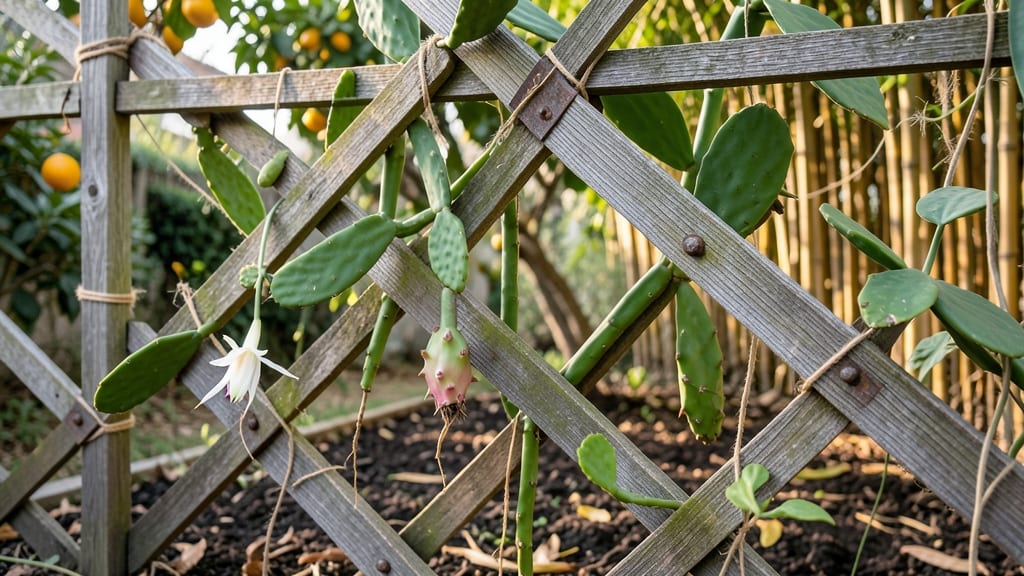
Dragon fruit plants grow like jungle gyms—fast and heavy, but with the right support, they’ll reward you with vibrant pink or yellow fruit. 🌱 I’ve watched my first harvest triple just by upgrading from flimsy stakes to a sturdy trellis system.
The key isn’t just tying up the vines—it’s guiding their growth so they climb efficiently and produce more fruit.
You’ll need 3-4 main supports (like T-posts or metal frames) spaced 6-8 feet apart, plus soft plant ties to secure the vines without crushing them.
Dragon fruit plants love to sprawl, but they’ll fruit best when trained vertically—think of it like teaching a kid to climb a ladder instead of sprawling on the floor. Start supporting them early (when vines reach 3-4 feet), and you’ll avoid the heartbreak of broken branches later.
By summer, you’ll see thick, healthy vines loaded with fruit—the kind that makes neighbors ask where you got your plants. The secret? Regular pruning to remove weak growth and redirect energy to the main stems.
I prune mine back by one-third in late winter, and it always leads to a bumper crop by midsummer.
Works for backyard gardens, containers (with dwarf varieties), or even patios—just scale the support system to your space. Here’s how to set it up without the guesswork!
📚 In This Guide
- What you need
- Instructions
- Tips and common mistakes
- Wrapping up and next steps
What you need
- ● Dragon Fruit Plant: A healthy seedling or cutting (preferably from a Hylocereus variety like H. undatus or H. costaricensis).
- ● Potting Mix (if container-growing): 3–5 gallons of well-draining cactus/succulent mix (or DIY: 60% potting soil + 30% perlite + 10% compost).
- ● Container (if potted): A sturdy pot (12–18" diameter) with drainage holes. Terracotta or fabric pots work best!
- ● Support Structure: Trellis or Cage: A 6–8 ft tall, wide-mesh trellis (metal or wooden) or a sturdy bamboo stake for climbing vines.
- ● Twine or Soft Tie: 10–15 ft of jute or plastic twine to gently secure vines (avoid wire—it can damage stems!).
- ● Fertilizer: Balanced, slow-release fertilizer (10-10-10 or 5-5-5) or organic options like worm castings or compost tea.
- ● Pruning Shears: Sharp, sterilized shears for trimming dead or overgrown stems.
- ● Watering Can or Hose: With a gentle spray nozzle to avoid soggy roots.
- ● Mulch: Organic mulch (straw or wood chips) to retain moisture and regulate soil temp.
- ● Grow Lights: LED grow lights (for indoor setups) to supplement <6+ hours of sunlight.
- ● Soil pH Tester: Dragon fruit prefers slightly acidic to neutral soil (pH 6.0–7.0).
- ● Pest Control: Neem oil or insecticidal soap (for aphids/mealybugs).
- ● Gloves: To protect hands from thorns!
Step-by-Step instructions for supporting dragon fruit plants
Here’s how I’ve helped dragon fruit vines grow strong and produce fruit quickly—no guesswork involved.
🌱 Step 1: Choose the Right Support Structure
Dragon fruit vines need a sturdy support system because they can grow 15-20 feet in a single season. I use a 6-foot-tall wooden trellis or a metal cage with 1-inch diameter poles spaced 12 inches apart—this gives the vines plenty of room to climb and spread. If you’re growing in containers, a 5-gallon bucket-sized trellis works well for smaller varieties.
Position the support in a spot where it won’t block sunlight or get knocked over by wind. Dragon fruit loves full sun (6+ hours daily), so place it where the vine will have unobstructed access to light. If you’re using a trellis, attach it to a sturdy post or wall bracket to keep it stable as the vine grows heavier with fruit.
☀️ Step 2: Train the Vine to Climb Early
The key to fast growth is getting the vine climbing within the first 2-3 weeks after planting. Once the plant has 3-4 true leaves (not the initial seed leaves), gently tie the main stem to the support using soft plant ties or strips of old fabric. Avoid wire or anything that can cut into the stem as it thickens.
As new growth appears, guide the vine upward in a spiral pattern—this encourages even distribution and prevents the vine from becoming top-heavy. You’ll see the vine start to twine naturally around the support within 4-6 weeks, but keep checking for new shoots that need redirecting. This early training ensures the vine grows stronger and faster, setting the stage for bigger harvests.
🪴 Step 3: Prune for Strength and Fruit Production
Pruning might seem counterintuitive, but it’s what speeds up fruit production. Once the vine reaches the top of the support, cut back the main stem by about one-third to encourage lateral branches. These side branches are where the fruit develops, so you want them thick and sturdy. Remove any weak or leggy growth—you’ll know it’s weak if the stem is thin and the leaves are small.
After the first harvest, prune again in late winter or early spring to remove dead or damaged branches. This keeps the plant focused on producing new growth and fruit rather than wasting energy on weak stems. I also pinch off the tips of new shoots to redirect energy into flowering and fruiting. You’ll notice more buds and fruit within 6-8 weeks of proper pruning.
⏰ Step 4: Monitor and Adjust Support as the Plant Grows
Dragon fruit vines get heavy when they’re producing fruit, so check the support every 2-3 weeks to ensure it’s still secure. If you’re using a trellis, add extra ties or reinforce the structure if the vine starts sagging. For container-grown plants, a 5-gallon bucket-sized trellis might need a weight or anchor to stay upright as the fruit develops.
Watch for signs of overgrowth or stress—if the vine starts to lean heavily to one side, redistribute the weight by gently guiding the branches. You’ll also want to remove any suckers (small shoots at the base of the plant) unless you’re propagating new plants. Suckers drain energy from the main vine, slowing down fruit production. With the right support and care, your dragon fruit vine will reward you with fast, abundant harvests in just 12-18 months.
Tips & tricks for supporting dragon fruit plants
Here's what I've learned after helping dragon fruit vines thrive—these tricks speed up growth and maximize harvests.
Support Stability: The 6-foot trellis or metal cage from Step 1 needs proper anchoring. I've seen vines snap supports when fruit gets heavy—use concrete anchors or heavy stakes for outdoor trellises. For container plants, secure the 5-gallon bucket-sized trellis with a weight or tie it to the container's sides. This prevents the whole setup from tipping when fruit develops.
Climbing Pattern: That spiral pattern in Step 2 isn't just decorative—it creates a natural weight distribution. I start by tying the main stem at the base, then guide each new shoot upward in a circular motion around the support. This prevents the vine from becoming top-heavy and encourages even fruit distribution along the entire length of the support. Think of it like wrapping a gift—even pressure prevents weak spots.
Pruning Timing: The one-third cutback in Step 3 works best when you see the vine reaching the top of your support. I've found that waiting until the vine actually touches the top gives you a better reference point for how much to trim. Also, do this pruning in the morning—new shoots that form afterward have all day to photosynthesize and grow stronger before nightfall.
Sucker Management: Those suckers at the base are sneaky energy thieves. I remove them immediately when I spot them because they compete with your main vine for nutrients. Use clean pruning shears and cut at a 45-degree angle just above a leaf node. You can actually propagate these suckers for new plants if you want to expand your dragon fruit garden!
Pro Tips for Support Dragon Fruit Plants
- Here's what I've learned after helping dragon fruit vines thrive—these tricks speed up growth and maximize harvests.
- Support Stability: The 6-foot trellis or metal cage from Step 1 needs proper anchoring.
- Climbing Pattern: That spiral pattern in Step 2 isn't just decorative—it creates a natural weight distribution.
Frequently asked questions
Got questions about keeping your dragon fruit plants thriving? Here are answers to the most common concerns—so you can grow with confidence!
What’s the ideal temperature range for dragon fruit plants?
Dragon fruit plants love warmth! Keep them in temperatures between 60–95°F (15–35°C). They’re tropical, so avoid frost (<32°F/0°C) and cold drafts. If you’re in a cooler climate, grow them in containers and move them indoors during winter. A sunny windowsill or greenhouse works great!
How long does it take for dragon fruit plants to bear fruit?
Patience is key! With proper care, dragon fruit plants typically take 18–36 months to produce fruit. The first blooms appear after 1–2 years, but full harvests may take longer. Male and female plants must be present for pollination—so plant both if you want fruit!
Why are my dragon fruit leaves turning yellow?
Yellow leaves usually signal overwatering or poor drainage. Let the soil dry out between waterings—stick your finger in the soil; if it’s soggy, hold off! Yellowing can also mean nutrient deficiency (try a balanced fertilizer) or pests (check for mites or scale insects). Adjust care and monitor for improvement!
Can I grow dragon fruit in pots, or do I need a garden?
Dragon fruit thrives in containers 12+ inches deep with drainage holes. Use a cactus/succulent mix and repot every 2–3 years. Pots are great for small spaces or climates with short growing seasons—just ensure they get 6+ hours of sunlight daily. Bonus: Potted plants are easier to move indoors in winter!
How do I pollinate dragon fruit flowers for fruit?
Dragon fruit flowers open at night and close by morning. Use a soft brush or cotton swab to transfer pollen from male to female flowers (look for the bulbous base on female blooms). For outdoor plants, hand pollination + attracting bees (plant nearby flowers) boosts success. Repeat every 2–3 days during blooming season!
What should I do if my dragon fruit plant gets frost damage?
Frost can kill dragon fruit plants, but act fast! Prune damaged leaves and move the plant to a sheltered, sunny spot. If potted, bring it indoors near a bright window. Avoid fertilizing until new growth appears. With time and care, your plant may recover—just protect it from future cold snaps!
Wrapping up and next steps
Supporting your dragon fruit plant is all about patience, consistency, and a little love—just like nurturing any thriving relationship! 🌱 With the right soil, sunlight, and care, you’ll soon be rewarded with vibrant blooms and delicious fruit.
Remember, every gardener starts somewhere, and your dragon fruit vine is already on the path to success.
Ready to take the next step? Start small—whether it’s experimenting with trellises, troubleshooting pests, or sharing your progress with fellow plant enthusiasts. Happy growing, and may your dragon fruit harvest be as bountiful as it is beautiful! 🎉