
Fertilization
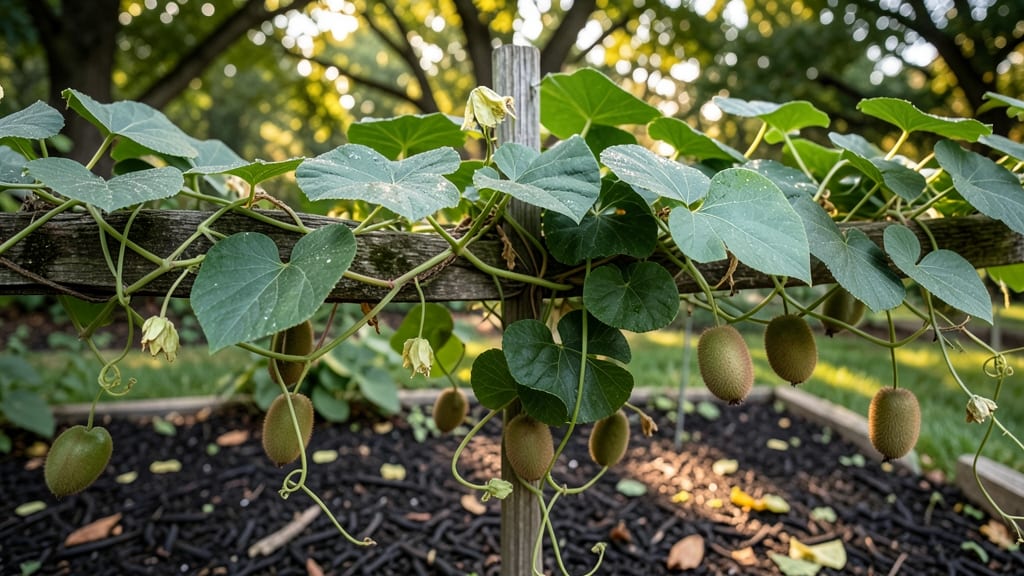
Frost-resistant grape kiwi vines thrive where tender kiwis fail. 🌿 I’ve grown them through winters that drop to 10°F, and these hardy vines produce sweet, tangy fruit without coddling. The key? Choosing the right variety and giving them the right conditions from the start.
Actinidia arguta (hardy kiwi) and Actinidia kolomikta handle cold better than their tropical cousins. They need a sturdy trellis, well-draining soil, and a sunny spot with afternoon shade in hot climates. Plant male and female vines together—pollination is essential for fruit set.
By late summer, you’ll harvest clusters of grape-sized kiwis that taste like a cross between banana and citrus. The vines also add stunning foliage, with some varieties turning brilliant red in fall. With proper care, they’ll produce for decades. Works in zones 3-8, making them perfect for northern gardeners.
Here’s how to set them up for success—no greenhouse needed!
📚 In This Guide
- What you need
- Instructions
- Tips and common mistakes
- Wrapping up and next steps
What you need
- ● Grape kiwi plants: Frost-resistant varieties like Issai (self-pollinating) or Ken’s Red (needs a pollinator). Buy 2-4 plants (1 male + 1-3 females for cross-pollination, or 1 self-pollinating Issai plant).
- ● Potting mix or well-draining soil: 50 lbs of organic potting mix or a blend of 60% garden soil, 30% compost, and 10% perlite (for containers).
- ● Fertilizer: Balanced organic fertilizer (10-10-10 or 5-5-5): 1 lb per plant at planting.
- ● Slow-release fertilizer (e.g., Osmocote): ½ cup per plant in early spring.
- ○ Epsom salt (magnesium sulfate): 1 tbsp per gallon of water for foliar spray (optional but helpful for chlorosis).
- ● Mulch: 2-3 inches of straw, wood chips, or shredded leaves to insulate roots.
- ● Support structure: A 6-8 ft tall trellis, fence, or strong wire mesh (grape kiwis are vigorous climbers!).
- ● Garden trowel or shovel (for planting).
- ● Pruning shears (sterilized with rubbing alcohol).
- ● Watering can or hose with a gentle spray nozzle (kiwis hate soggy roots!).
- ● Gloves (to protect from thorns on some varieties).
- ● pH test kit (ideal soil pH: 5.5–7.0).
- ● Row cover or frost cloth (for young plants in late spring/early fall).
- ● Compost tea or mycorrhizal fungi to boost soil health.
- ● Drip irrigation system for consistent moisture.
- ● Plant ties or soft twine to secure vines to trellis.
- ● Neem oil or insecticidal soap (for pest prevention).
- ● Cold frame or greenhouse (to extend the growing season in very cold zones).
Step-by-step guide to planting frost-resistant grape kiwi vines
Here’s how to establish hardy grape kiwi vines that thrive even in cold climates—no greenhouse needed.
🌱 Step 1: Choose the Right Location and Prepare the Soil
Grape kiwi vines need full sun—at least 6-8 hours daily—to produce fruit, but they’ll also tolerate partial shade in hotter regions. I always pick a spot sheltered from strong winds, since young vines can get damaged easily. The soil should drain well but still hold moisture, so amend heavy clay with 2-3 inches of compost mixed into the top 12 inches of soil.
Dig a hole twice as wide as the root ball but only as deep as the container the vine came in. Loosen the sides of the hole with a shovel to encourage root spread. Grape kiwi vines are semi-dormant in winter, so they don’t need the same rich soil as tropical kiwis—just fertile, loamy dirt works fine.
🪴 Step 2: Plant Vines at the Correct Depth and Spacing
Remove the vine from its container and gently tease the roots apart if they’re circling. Place it in the hole so the top of the root ball sits level with the soil surface—burying too deep can suffocate the plant, while planting too shallow exposes roots to temperature swings. For 4 vines, space them 8-10 feet apart in a row or 10-12 feet apart if you’re planting a small trellis system.
Backfill the hole with soil, tamping lightly every 2-3 inches to remove air pockets. Water deeply right after planting to settle the soil and encourage root contact. Mulch around the base with 2-3 inches of straw or wood chips, keeping it 6 inches away from the stem to prevent rot.
☀️ Step 3: Install a Trellis for Support and Training
Grape kiwi vines need strong vertical support to grow properly. Install a 6-8 foot tall trellis (or use a sturdy fence) near your planting site. I like T-posts with horizontal wires because they’re easy to adjust as the vine grows. Train the main stem along the trellis, tying it loosely with soft plant ties every 12-18 inches to prevent damage.
In the first year, focus on establishing the primary scaffold branches—these will become the main arms of the vine. Prune any side shoots back to 2-3 leaves to encourage stronger growth. By late summer, you’ll see new canes emerging from the base; these will become next year’s fruit-bearing branches.
💧 Step 4: Water and Fertilize for Strong Growth
Water deeply once a week during the first growing season, aiming for 1-1.5 inches of water per week. Let the top 2 inches of soil dry out between waterings to prevent root rot—grape kiwis hate soggy feet. In hot, dry climates, you may need to water twice weekly, but avoid wetting the leaves to reduce disease risk.
Fertilize lightly in early spring with a balanced 10-10-10 formula, applying ½ cup per vine. Avoid high-nitrogen fertilizers—they encourage leafy growth at the expense of fruit. In late summer, switch to a low-nitrogen, high-phosphorus fertilizer to support root and fruit development.
✂️ Step 5: Prune for Cold Hardiness and Fruit Production
Pruning is key to winter survival. In late winter or early spring (before buds swell), cut back last year’s canes to 2-3 buds from the base. Remove any weak, crossing, or diseased branches to improve airflow. This open-center pruning helps the vine handle frost better by reducing exposed wood.
In summer, pinch back new growth to 4-5 leaves on side shoots to encourage bushier growth. By year three, you’ll see small, grape-sized fruits forming—these are edible but tart. Patience is key; full production takes 3-5 years, but the frost resistance makes it worth the wait.
Tips & tricks for perfect grape kiwi vine establishment
These hard-won insights will help your frost-resistant grape kiwi vines thrive from day one—no matter your climate.
Sunlight Strategy: While grape kiwi vines tolerate partial shade, I've found the sweet spot is actually 7-8 hours of direct sun in cooler climates. This balances fruit production with winter hardiness. If your site gets less than 6 hours, consider planting near a south-facing wall for reflected sunlight during winter months.
Soil Preparation Secret: The 2-3 inches of compost mixed into the top 12 inches of soil isn't just about nutrients—it's about creating the perfect moisture-holding environment. For heavy clay soils, I add 1 part perlite to 3 parts compost to improve drainage while maintaining moisture retention. This prevents both drought stress and root rot.
Planting Depth Visual: When planting, use this simple test: The top of the root ball should sit at ground level. I press my thumb into the soil around the plant—if I can't see my thumbprint after watering, the soil has settled properly and the vine is at the right depth. Too deep and you'll suffocate the plant; too shallow and roots freeze in winter.
Trellis Training Timeline: The first year is all about establishing that main stem. I tie the vine to the trellis every 12-18 inches, but here's the key: use soft plant ties that you can easily adjust as the vine grows. By late summer, you should see those new canes emerging from the base—these are your future fruit producers, so don't prune them back in year one.
Pro Tips for Grape Kiwi Fruit
- These hard-won insights will help your frost-resistant grape kiwi vines thrive from day one—no matter your climate.
- Sunlight Strategy: While grape kiwi vines tolerate partial shade, I've found the sweet spot is actually 7-8 hours of direct sun in cooler climates.
- Soil Preparation Secret: The 2-3 inches of compost mixed into the top 12 inches of soil isn't just about nutrients—it's about creating the perfect moisture-holding environment.
Frequently asked questions
Got questions about growing grape kiwi in cold climates?
Here are some of the most common ones—plus quick answers to help you get started with confidence!
Can grape kiwi survive in freezing temperatures?
Yes! Unlike hardy kiwi (Actinidia arguta), grape kiwi (also called Actinidia deliciosa) is not frost-tolerant—but cold-hardy varieties like 'Issai' or 'Ken’s Red' can handle brief dips to 10–15°F (-12 to -9°C). For extreme winters, plant near a south-facing wall or use mulch to insulate roots.
How long does it take for grape kiwi to bear fruit?
Patience is key! Most grape kiwi plants take 2–3 years to establish and 3–5 years to produce fruit. Female and male vines must be planted near each other (or a self-pollinating variety like 'Issai' is used) for fruiting. Pro tip: Prune aggressively in early spring to encourage faster growth and earlier harvests.
What’s the best soil mix for grape kiwi in cold climates?
Grape kiwi thrives in well-draining, slightly acidic soil (pH 5.5–6.5). Amend heavy clay with compost or sand, and ensure good drainage to prevent root rot. A mix of 50% topsoil, 30% compost, and 20% perlite works well. Test soil moisture—kiwi vines hate soggy roots!
Can I grow grape kiwi in containers? Is it easier than in the ground?
Containers are great for cold climates—just use a large pot (at least 15 gallons) with drainage holes. Move pots to a sheltered spot in winter (like a garage or against a wall). Container-grown kiwi may fruit slightly faster due to better temperature control, but monitor soil moisture closely.
What pests should I watch for with grape kiwi?
Common pests include aphids, spider mites, and Japanese beetles. Use neem oil or insecticidal soap for mild infestations. Birds love the fruit, so cover vines with netting when kiwis ripen. Prevention tip: Keep vines healthy with balanced fertilization to deter pests naturally.
Why aren’t my grape kiwi leaves turning green?
Yellow or pale leaves often signal nutrient deficiency (especially nitrogen or magnesium) or poor drainage. Test soil and amend with compost or a balanced fertilizer (10-10-10). Overwatering can also cause yellowing—ensure soil dries slightly between waterings.
Wrapping up and next steps
Growing grape kiwi fruit in cold climates is totally doable with the right frost-resistant varieties and care! 🌱 Whether you're a beginner or an experienced gardener, these hardy plants reward patience with delicious, nutrient-packed fruit. Start small, choose the perfect spot, and soon you’ll be harvesting your own homegrown treats.
Ready to take the next step? Pick your favorite variety, gather your supplies, and get planting—your future harvest is waiting! 🍈✨