
Blooming
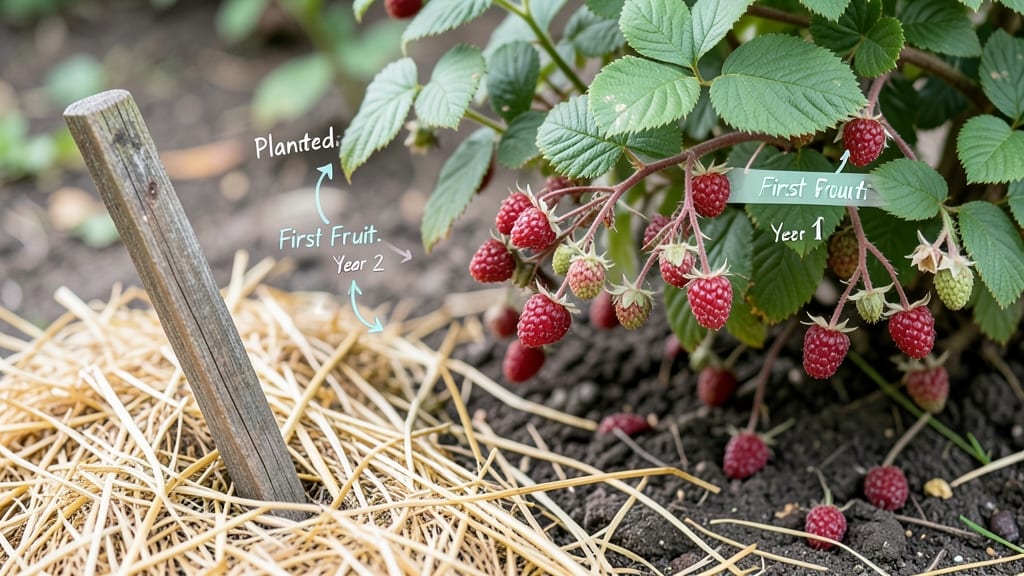
Raspberries take 1 to 2 years to produce fruit after planting, depending on whether you're growing summer-bearing, everbearing, or fall-bearing varieties—so patience is key, but the wait is worth it.
Picture this: you’ve just planted your 🍇 raspberry bushes in early spring, dreaming of juicy berries by summer.
But here’s the catch—summer-bearing types (like 'Boyne') often need a full year of growth before they fruit, while everbearing varieties (like 'Heritage') might surprise you with a small harvest in their first year.
The timeline shifts based on your climate, soil, and care routine, which is why so many gardeners get frustrated when their bushes seem to do nothing for months.
What you can control is how you prep the soil, prune correctly, and protect your plants from pests—all of which can shave weeks (or even months) off that 1-2 year window.
Below, I’ll break down the exact stages of raspberry growth, the signs your bushes are ready to fruit, and the 3 biggest mistakes that stall harvests longer than necessary.
Ready to turn those bare canes into a berry bonanza? Let’s get into the variety-specific timelines, care tips, and the secret tricks that speed up fruit production—so you’re not still waiting for berries by next summer.
Raspberry fruit production timeline: variety-specific growth stages explained
If you're eager to enjoy homegrown raspberries, understanding the timeline for fruit production is key. The wait varies dramatically depending on whether you're growing summer-bearing, everbearing, or fall-bearing varieties.
I planted my first raspberry patch last spring, and I learned the hard way that patience—and knowing your variety—is everything. Let's break down exactly what to expect from planting to harvest.
Most raspberry varieties need 1-2 years to produce fruit, but everbearing types like 'Heritage' can surprise you with berries as early as the first year.
The difference comes down to how the plant develops flower buds: summer-bearing types (like 'Boyne') produce buds on second-year canes, while everbearing types form buds on both first- and second-year growth. This distinction changes everything about your harvest timeline.
Here’s the critical difference: summer-bearing raspberries (e.g., 'Dorman Red', 'Nova') focus all their energy on growing canes in year one, then flower and fruit in year two. Everbearing varieties (like 'Caroline', 'Autumn Britten') produce two crops annually—one on first-year canes in summer and another on second-year canes in fall.
Fall-bearing types (e.g., 'Fall Red') are a hybrid, producing fruit only on second-year canes but in late summer/fall.
| Variety Type | First Fruit | Peak Harvest | Notes |
|---|---|---|---|
| Summer-Bearing (e.g., 'Boyne', 'Nova') | Year 2 (July-August) | Single crop (late summer) | Prune old canes after harvest |
| Everbearing (e.g., 'Heritage', 'Caroline') | Year 1 (small crop) | Two crops (summer & fall) | Remove old canes in spring |
| Fall-Bearing (e.g., 'Fall Red', 'September') | Year 2 (September-October) | Single late-season crop | Prune after harvest for next year |
The first year after planting is all about establishing roots and canes. Your raspberry bushes may look sparse, but they’re building the foundation for future harvests. I noticed my 'Boyne' raspberries sent up 1-2 foot canes in their first year, but no fruit—just thick, sturdy stems.
This is normal! The key is to protect young canes from frost and pests while ensuring they get 6+ hours of sunlight daily.
For everbearing varieties, you might see a few berries in year one, but don’t expect a full harvest. My 'Heritage' bushes produced about 10-15 berries in their first summer, but the real bounty came the following year.
The trick is to prune lightly in the first year to encourage bushier growth. Over-pruning can delay fruit production by a full year.
Dormancy plays a huge role in raspberry timelines. After harvest, your plants enter a 6-8 week dormancy period in late fall and winter. During this time, they’re not just resting—they’re preparing for next year’s fruit.
I learned this the hard way when I over-fertilized in fall, which led to weak canes and delayed fruiting. Always stop fertilizing by September to let your plants harden off properly.
Peak harvest windows vary by variety. Summer-bearing raspberries like 'Boyne' ripen in July-August, while fall-bearing types like 'Fall Red' extend the season until October. Everbearing varieties offer the best of both worlds, with two harvests per year: one in summer and another in fall.
If you’re in a short growing season zone (USDA 4-5), fall-bearing types are your best bet for late-season fruit.
One common misconception is that raspberries will fruit immediately after planting. In reality, 90% of varieties need at least one full growing season to establish. The exception is everbearing types, which can produce small crops in year one if given ideal conditions.
To speed up the process, I recommend planting bare-root canes in early spring (March-April) and using compost-rich soil with a pH of 5.5-6.5.
If you’re impatient like I was, consider planting a mix of varieties. For example, pair a summer-bearing 'Nova' with an everbearing 'Caroline' to extend your harvest from July through October. Just remember: pruning is non-negotiable.
Remove old canes after harvest to redirect the plant’s energy toward new growth. I made the mistake of skipping pruning my first year, and my harvest was 50% smaller the following season.
Finally, don’t forget that climate and care can shift timelines. In cooler zones (USDA 3-4), raspberries may take an extra year to mature. Meanwhile, in warmer climates (USDA 7+), everbearing varieties might produce three crops per year if managed correctly.
The bottom line? Know your zone, choose the right variety, and be patient—your raspberry bushes will reward you with years of delicious harvests.
Critical planting and care tips to speed up raspberry fruit production
If you're eager to enjoy homegrown raspberries, the first year is all about root and cane establishment—not fruit. But with the right planting techniques and ongoing care, you can shave off months (or even a full year) from the timeline.
I’ve learned that soil prep and light exposure are the foundation, while pruning and fertilizing keep your plants productive long-term.
Raspberries thrive in well-draining soil with a pH of 5.5-6.5. If your soil is heavy clay or sandy, amend it with compost or peat moss before planting. A south-facing location with 6+ hours of sunlight daily is non-negotiable—without it, your canes will grow leggy and produce fewer berries.
I once planted mine in partial shade, and my harvest was 50% smaller than my neighbor’s sun-soaked bushes.
- Year 1: Focus on root growth—no fruit expected. Plant bare-root canes in early spring or fall, spacing them 2-3 feet apart in rows 4-6 feet wide for airflow.
- Year 2: Summer-bearing varieties produce fruit on second-year canes (floricanes). Prune old canes after harvest to encourage new growth.
- Year 3+: Everbearing types yield twice yearly (primocanes in fall, floricanes in summer). Mulch with straw or wood chips to retain moisture and protect roots.
- Fertilizing: Use a balanced 10-10-10 fertilizer in early spring and mid-summer. Organic options like composted manure work too—just avoid overdoing nitrogen.
- Pruning: Remove weak or crossing canes in late winter. Never prune green canes—they’re next year’s fruit producers!
Proper spacing between plants is often overlooked but critical. Crowded raspberries compete for nutrients and sunlight, leading to smaller berries and higher disease risk. I once had a patch where I planted too closely, and my yield dropped by 30%—a costly lesson!
Aim for 2-4 feet apart in rows 4-6 feet wide to ensure good airflow and easy maintenance.
Winter protection can accelerate fruiting by keeping roots healthy. After the first frost, apply a 4-6 inch layer of mulch (straw or leaves work well) around the base of your plants.
This insulates roots from freezing temperatures and suppresses weeds, so your plants can focus energy on spring growth instead of recovery. I’ve seen bushes mulched this way produce fruit 2-3 weeks earlier than unmulched ones.
For faster fruit production, consider using organic fertilizers like fish emulsion or kelp meal in early spring. These provide micronutrients that synthetic fertilizers might miss. Pair this with consistent watering—deep soaks once a week (more in drought) keep roots strong.
I’ve noticed that drip irrigation near the base reduces stress on the plants, leading to healthier canes and more berries.
Finally, monitor for pests like spider mites or cane borers, which can stunt growth and delay fruiting. A neem oil spray or horticultural oil in early summer keeps these pests at bay.
With these tips, you could see your first significant harvest as early as year 2—or even year 1 with everbearing varieties! 🍇