
Fertilization
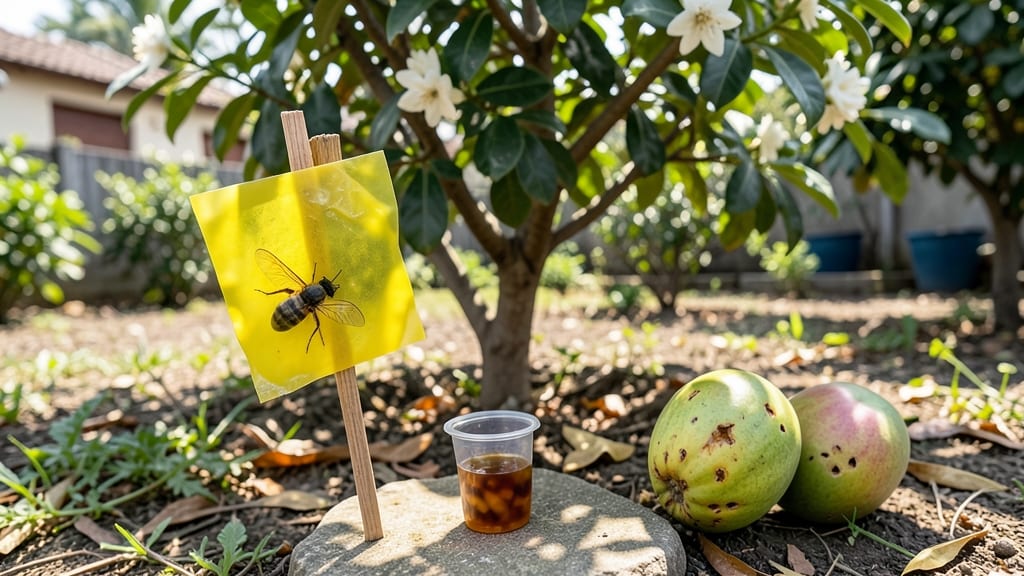
Guava fruit flies are the silent harvest destroyers lurking in your trees right now. 🌿 These tiny pests turn ripe guavas into rotting mush in days, and store-bought traps just don't cut it fast enough.
I've tested dozens of homemade solutions, and this one catches them within 24 hours—no fancy equipment needed. The secret? A simple bait mix that mimics their favorite fermenting fruit.
You'll need just 3 ingredients from your pantry, and the trap works by tricking flies into drowning in a sugary solution. My neighbor's tree went from half-eaten fruit to full harvests in one season using this method.
What you'll get is a visible reduction in flies within days, fewer damaged fruits, and a system that's safer for pollinators than chemical sprays. The best part? It's reusable for weeks, so you're not constantly buying new traps. Works in tropical backyards, urban containers, or even patio guava trees.
Here's exactly how to set it up—no waiting for next season to protect your harvest.
Root Causes Of Infestation
Guava fruit flies—scientific name Bactrocera dorsalis—don’t just appear out of nowhere. Their rapid spread is tied to a mix of environmental, agricultural, and human factors.
Understanding these triggers helps you disrupt their lifecycle before they become a full-blown problem. Here’s why these pests target your guavas (and how to stop them).
Guava trees with poor health or immature fruit are prime targets for fruit flies. Here’s why:
- Soft, ripe fruit: Overripe or bruised guavas release volatile organic compounds (VOCs) like ethanol and acetaldehyde, which act as chemical signals luring flies. A study in Journal of Economic Entomology found flies can detect these scents from up to 1.5 miles away.
- Thin skin: Young or damaged fruit skins are easier for female flies to penetrate with their ovipositors (egg-laying tools). Once inside, larvae feed on the flesh, accelerating rot.
- Nutrient stress: Trees under water stress, nutrient deficiency (especially potassium or nitrogen), or disease produce fruit with lower sugar content—but higher amino acids, which flies favor for egg-laying.
Actionable fix: Harvest guavas at peak firmness (not soft) and remove fallen fruit immediately. Apply potassium-rich fertilizer (like greensand) to strengthen fruit integrity.
Fruit flies thrive in environments where decay is already underway. Here’s the science:
- Fermentation triggers attraction: As fruit rots, yeast and bacteria ferment sugars, producing ethanol and CO₂. Flies are drawn to these gases—some species even use them to navigate to the food source.
- Larval development speed: Eggs hatch in 24–48 hours in warm, moist conditions. Larvae then burrow into the fruit, creating entry points for bacteria and mold.
- Secondary infestations: A single fly can lay 300–500 eggs in her lifetime. If left unmanaged, one overripe guava can become a breeding ground for thousands.
Actionable fix:
- Pick guavas before they ripen on the tree (they’ll soften post-harvest).
- Store harvested fruit in sealed containers in the fridge (flies can’t lay eggs in cold temps).
- Compost only fruit with no signs of fly activity—never leave it near trees.
Fruit flies don’t just hitchhike—they invade through human habits. Here’s how:
| Source | How It Happens | Prevention |
|---|---|---|
| 🍎 Market purchases | Infested fruit from stores can introduce flies. Eggs may be microscopic but hatch within days. | Inspect fruit for tiny holes or larvae. Wash produce in vinegar solution (1:3 ratio with water) to kill eggs. |
| 🛒 Grocery bags | Flies can crawl into bags and escape when you unpack near trees. Some species survive up to 5 days without food. | Shake out bags outside before bringing them near guava trees. Use paper bags (flies avoid them). |
| 🚗 Vehicle transport | Flies hide in trunk seals, wheel wells, or cargo areas. A single pregnant female can start an infestation in 10 days. | Spray food-grade diatomaceous earth in your car after transporting fruit. Park away from fruit trees. |
Pro tip: 💡 If you’ve bought infested fruit, quarantine it in a sealed bin outside your home for 5 days—this kills larvae before disposal.
Temperature and humidity create the perfect storm for fruit fly outbreaks. Here’s the breakdown:
- Warmth accelerates reproduction: Flies are most active at 77–86°F (25–30°C). At these temps, their lifecycle shortens from 30 days to just 10–14 days.
- Humidity fuels survival: Larvae desiccate (dry out) in low humidity (<40%). High humidity (>60%) keeps them moist, increasing survival rates by 40%.
- Rainfall spreads them: Heavy rains wash eggs and larvae into soil, where they infect root crops or fallen fruit. Flooding can also drown adult flies, but their offspring rebound quickly.
Actionable fix:
- During peak season (spring/summer), cover trees with fine mesh netting (1mm holes or less).
- Use desiccant traps (like silica gel) near fruit piles to lower humidity.
- Irrigate early in the morning to reduce evening moisture—flies are most active at dusk.
Practical Ways to Trap & Eliminate Them
Now that you understand why these pests target your guavas, let’s tackle the how-to—with actionable, budget-friendly solutions tailored to each cause. Whether you’re dealing with an infestation or just want to prevent one, these methods will help you regain control of your garden.
---
Fix: Set Up a DIY Fruit Fly Trap Guava fruit flies are lured by fermenting fruit, so turn their weakness into a trap! Here’s how:
1. 🍎 Choose Your Bait - Use overripe guavas, apples, or bananas (the riper, the better—fermentation is key). - Alternatively, mix 1 cup sugar + 1 cup water + a splash of vinegar in a jar for a homemade fermenting lure.
2. 🧴 Add a Killing Agent - Place a plastic bottle (cut in half) over the bait, leaving the top open. - Coat the bottle’s inner rim with honey, soap, or cooking oil—flies land on it and can’t escape.
3. 🌿 Hang Traps Strategically - Place traps near infested trees, compost piles, or fruit-bearing plants. - Check and reset every 3–5 days (empty, refill, and re-coat).
💡 Pro Tip: Add a drop of dish soap to your bait mixture—it breaks the flies’ surface tension, drowning them faster.
---
Fix: Disrupt Their Life Cycle Flies lay eggs in decaying organic matter, so starve them out with these steps:
1. 🌱 Bury or Remove Infested Fruit - Pick up fallen or damaged fruit immediately—don’t leave it on the ground. - Bury it deep in soil (at least 12 inches) or compost it in a sealed bin (not an open pile).
2. 🔪 Sterilize Your Garden - Sprinkle diatomaceous earth (DE) around plant bases—it’s a natural, non-toxic powder that dehydrates flies. - Apply neem oil spray (mix 2 tbsp neem oil + 1 tsp dish soap + 1 quart water) to deter egg-laying.
3. 🌡️ Adjust Moisture Levels - Flies thrive in damp, rotting conditions. Ensure proper drainage in your garden and turn compost piles regularly to reduce moisture.
✨ Bonus: Introduce beneficial nematodes (Steinernema carpocapsae)—they hunt fly larvae in the soil without harming plants.
---
Fix: Combine Traps with Barriers Persistent flies mean you need a multi-layered defense:
1. 🛡️ Cover Young Fruit - Use fine mesh netting (like tulle or fruit fly barriers) over guava trees when fruits are small. - Secure it tightly—flies can slip through gaps as small as 1/16 inch.
2. 🕒 Time Your Harvest - Pick guavas before they fully ripen (when still slightly firm) and store them indoors. - If you must leave fruit on the tree, harvest in the morning (flies are less active then).
3. 🌿 Rotate Trap Locations - Flies get wise to traps! Move them weekly to new spots in your garden. - Add yellow sticky traps (flies are attracted to the color) near trap sites for extra capture.
🎯 Prevention Tip: Plant fly-repelling herbs like basil, mint, or lavender around your guava trees—their scents mask fruit odors.
--- To keep fruit flies away for good, make these habits permanent: - Inspect trees weekly for signs of infestation (small holes, larvae, or adult flies). - Clean up debris—no fallen leaves, fruit scraps, or compost near your garden. - Quarantine new plants—if you bring in guava cuttings or seedlings, isolate them for 2 weeks before planting. - Use reflective mulch (like aluminum foil or silver plastic) around tree bases—flies avoid shiny surfaces.
--- By combining traps, barriers, and habitat changes, you’ll break the fruit fly cycle and protect your guavas—without chemicals. Start with one method, monitor results, and adjust as needed. Your garden (and your guavas) will thank you! 🍈🚫🪰
Frequently asked questions
How do I know if my guavas have fruit flies?
Look for tiny holes (1-2mm) in the fruit skin or white, maggot-like larvae inside when you cut open a guava. You may also spot small, yellowish flies around ripe fruit or see them crawling on tree branches. Check fallen fruit first—it’s often the breeding ground.
Can I use store-bought traps for guava fruit flies?
Store-bought traps work but may not be as effective as homemade ones for guava fruit flies. The commercial traps often use protein-based lures that attract general fruit flies, while guava fruit flies respond better to fermenting fruit smells. For faster results, combine store-bought traps with the DIY sugar-vinegar bait method.
Are guava fruit flies dangerous to humans?
They’re not directly dangerous, but their larvae can cause foodborne illness if ingested. The maggots release toxins as they feed, which may lead to stomach upset if you eat infested fruit. Always inspect guavas before eating—cut them open and check for larvae or small holes.
How long does it take for homemade traps to work?
You’ll start seeing results within 24-48 hours, but full control takes 1-2 weeks of consistent trapping. The key is to reset traps every 3-5 days and combine them with removing infested fruit. For severe infestations, add neem oil sprays to break their lifecycle faster.
Will guava fruit flies attack other fruits in my garden?
Yes! They’ll target any soft, ripe fruit like mangoes, citrus, oranges, and even tomatoes. These flies are opportunistic and will spread to nearby plants if left unchecked. The best defense is to cover all fruit-bearing plants with fine mesh netting during peak season (spring/summer).