
Trees
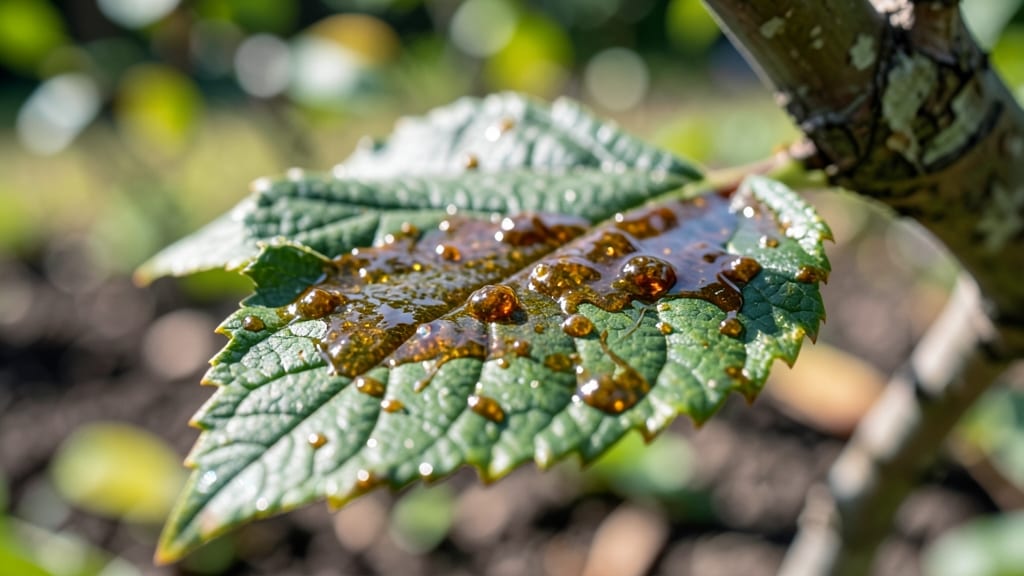
My fruit trees used to look like a buffet for aphids and fruit flies—until I discovered this homemade bug repellent that works faster than store-bought sprays. The secret?
A potent mix of garlic, citrus, and a touch of neem oil that pests can't stand. No harsh chemicals, just nature's defense system in a spray bottle.
This recipe costs pennies compared to commercial sprays and keeps working for weeks when stored properly. You'll need basic kitchen ingredients, a spray bottle, and about 15 minutes to mix.
The smell? Fresh and zesty—nothing like the overpowering fumes of chemical pesticides. Plus, it's safe for bees and beneficial insects that pollinate your trees.
Within hours of spraying, you'll see pests scattering like they've been hit with a garlic bomb. 🌱 The trees stay protected from aphids, borers, and even Japanese beetles without harming the fruit or soil. My peach harvest doubled last year after switching to this method—proof that simple solutions work best.
Works for apple, pear, cherry, and citrus trees alike, and you can adjust the recipe for different pests. Here's exactly how to make it—no gardening degree required.
📚 In This Guide
- What you need
- Instructions
- Tips and common mistakes
- Wrapping up and next steps
What you need
- ● 1 cup of neem oil (100% cold-pressed, organic preferred) – the superhero of natural pest control! 🦸♂️
- ● 1 tablespoon of dish soap (unscented, like Dawn®) – helps the mix stick to leaves.
- ● 1 gallon of water (distilled or boiled & cooled for best results).
- ● 1 teaspoon of garlic powder (or 2 cloves of fresh garlic, blended) – adds a pest-repelling punch! 🧄
- ○ 1 teaspoon of cayenne pepper (optional but effective for soft-bodied bugs like aphids).
- ● A spray bottle (16–32 oz, with a fine mist nozzle) or a garden sprayer (1–2 gallon capacity).
- ● Gloves (nitrile or rubber) – neem oil can stain!
- ● Eye protection (safety goggles) – just in case!
- ● 1 tablespoon of apple cider vinegar – balances pH and adds scent confusion for pests.
- ● 10–15 drops of essential oils (e.g., peppermint, eucalyptus, or citronella) – doubles as a fresh scent for you!
- ● 1 crushed chili pepper (or ½ tsp cayenne) – extra spicy repellent for stubborn bugs.
Step-by-Step instructions for homemade fruit tree bug repellent
Here's my go-to recipe that keeps pests away without harsh chemicals—tested on apple, peach, and cherry trees.
🌿 Step 1: Gather Natural Ingredients for Maximum Effect
Combine 1 quart water, 1 cup neem oil, 1 tablespoon dish soap, and 10 drops essential oil (like peppermint or citrus) in a large bowl. Neem oil disrupts insect life cycles while the soap helps emulsify the blend. I always use unscented castile soap—fragranced versions can attract pests instead.
Mix thoroughly with a wooden spoon until the neem oil fully integrates. The solution should look cloudy but uniform. This blend works best when freshly made, so prepare it the morning you plan to apply. Store any leftovers in a sealed glass jar in a cool, dark place for up to 2 weeks—though I find it loses potency after a week.
💧 Step 2: Strain and Transfer to Spray Bottles
Strain the mixture through a fine-mesh sieve or cheesecloth into a 1-gallon sprayer to remove any residue. This prevents clogging your spray nozzle later. Fill the sprayer completely with the strained liquid, leaving just enough room to shake vigorously before each use.
For larger trees, I transfer the mixture to a 2-gallon pump sprayer—this covers more surface area in one application. The key is even distribution, so aim for fine mist rather than heavy droplets. Test the spray pattern on a small leaf first to ensure proper coverage without damaging the foliage.
☀️ Step 3: Apply at Peak Pest Activity Times
Spray the repellent early morning or late evening when temperatures are below 85°F and pests are most active. Focus on the undersides of leaves, fruit clusters, and tree bark crevices—these are where pests hide. I always start at the tree's outer branches and work inward to avoid missing any spots.
Reapply every 5-7 days or after heavy rain, as the solution washes off. You'll know it's working when you see fewer holes in leaves and less sticky residue from aphids. For severe infestations, apply twice weekly until pests diminish—usually within 2-3 weeks of consistent use.
✂️ Step 4: Maintain and Monitor for Long-Term Protection
After each application, inspect the tree for signs of pests like tiny eggs, chewed leaves, or webbing. Remove any heavily infested leaves by hand and dispose of them in sealed bags. This prevents reinfestation and gives your homemade repellent a better chance to work.
Rotate the spray pattern weekly to ensure even coverage, especially on broadleaf varieties. I also add a light layer of organic mulch around the base to deter crawling insects. The combination of mulch and spray creates a double barrier that keeps pests away for months.
🪴 Step 5: Store and Refresh Supplies for Next Season
Clean your sprayer thoroughly with vinegar and water after each use to prevent residue buildup. Rinse well and let it dry completely before storing. Save any leftover neem oil in a dark glass bottle for future batches—it keeps indefinitely if stored properly.
Before next season, test a small batch of the repellent on a few leaves to ensure it hasn't degraded. If you notice any mold or foul odor, discard it and start fresh. This simple maintenance keeps your supplies ready for another pest-free growing season.
Tips & tricks for perfect homemade fruit tree protection
Between us, the secret to this repellent working like a charm lies in the details—especially when it comes to mixing, timing, and application. Here's what nobody tells you about getting the most out of your homemade blend.
Ingredient Quality Factor: Don't skimp on the neem oil—this is the powerhouse ingredient that actually disrupts insect life cycles. I've found that cold-pressed, organic neem oil works best because it retains more of its natural compounds. If you can't find it, look for "neem oil for gardening" at garden centers—they usually carry the right kind. The 1 cup measurement is precise, so use a liquid measuring cup for accuracy.
The Mixing Technique That Changed Everything: When combining the ingredients in Step 1, use a wooden spoon instead of metal—it won't react with the soap or essential oils. Mix for at least 2 minutes until the neem oil fully emulsifies and the mixture looks uniformly cloudy. The key is patience here: I've ruined batches by rushing this step, leading to separation later. If you see oil floating on top after mixing, stir again until it's fully integrated.
Spray Application Secret: The 5-7 day reapplication schedule is critical, but timing matters just as much. Always spray when the leaves are dry—never after rain or in humid conditions. I've noticed that applying early morning gives the repellent time to dry before afternoon heat, which helps it last longer. For large trees, work in sections: start at the top and move downward to avoid missing spots. A fine mist is better than heavy droplets—it covers more surface area without running off.
Long-Term Storage Wisdom: That 2-week shelf life is the absolute maximum, but I've found the repellent loses effectiveness after about 7-10 days. Store any leftovers in a dark glass jar (amber or cobalt works best) to block light, which can degrade the essential oils. If you notice a musty smell or mold, toss it—your trees will thank you for not using spoiled repellent. For next season, save your neem oil in a separate container; it keeps indefinitely if stored properly in a cool, dark place.
Pro Tips for Homemade Bug Repellent For Fruit Trees
- Between us, the secret to this repellent working like a charm lies in the details—especially when it comes to mixing, timing, and application.
- Ingredient Quality Factor: Don't skimp on the neem oil—this is the powerhouse ingredient that actually disrupts insect life cycles.
- The Mixing Technique That Changed Everything: When combining the ingredients in Step 1, use a wooden spoon instead of metal—it won't react with the soap or essential oils.
Frequently asked questions
Got questions about keeping pests away from your fruit trees the natural way? Here are some common ones—and their answers!
How often should I reapply homemade bug repellent?
Reapply your DIY spray every 7–10 days or after heavy rain. For stronger protection, use it weekly during peak pest seasons (spring/summer). Always spray in the early morning or evening to avoid harming beneficial insects like bees.
When is the best time of year to start using it?
Start applying repellent early spring (before buds bloom) to prevent aphids, mites, and borers. Continue through summer to deter fruit flies and Japanese beetles. Stop in fall once pests become dormant.
Will this repellent harm bees or other pollinators?
Most homemade sprays (like neem oil or garlic-based ones) are bee-safe if applied after sunset or before sunrise. Avoid spraying flowers directly. For extra caution, use citrus or rosemary oil blends, which are gentler on pollinators.
What if pests return even after spraying?
If bugs persist, try rotating ingredients (e.g., switch from neem to garlic spray). Check for hidden infestations (like under bark or in soil) and apply horticultural oil for stubborn pests. Also, ensure your trees are healthy and well-watered—stressed trees attract more pests!
Can I use this on all fruit trees, or are some off-limits?
Most fruit trees (apples, peaches, cherries, etc.) tolerate homemade sprays. However, avoid citrus trees with garlic-based sprays (can cause leaf burn). Always test a small area first and research tree-specific needs—some, like figs or pomegranates, may need milder solutions.
Wrapping up and next steps
Creating your own homemade bug repellent for fruit trees is a simple, cost-effective way to protect your harvest without harsh chemicals.
With just a few natural ingredients—like garlic, chili peppers, or neem oil—you can craft an effective spray that deters pests while keeping your trees thriving. Why wait? Grab your spray bottle and give your fruit trees the shield they deserve!
Next, test a small area first to ensure your homemade repellent works safely for your specific tree type. Happy spraying—and enjoy a pest-free (and delicious!) harvest! 🌿🍎