
How To
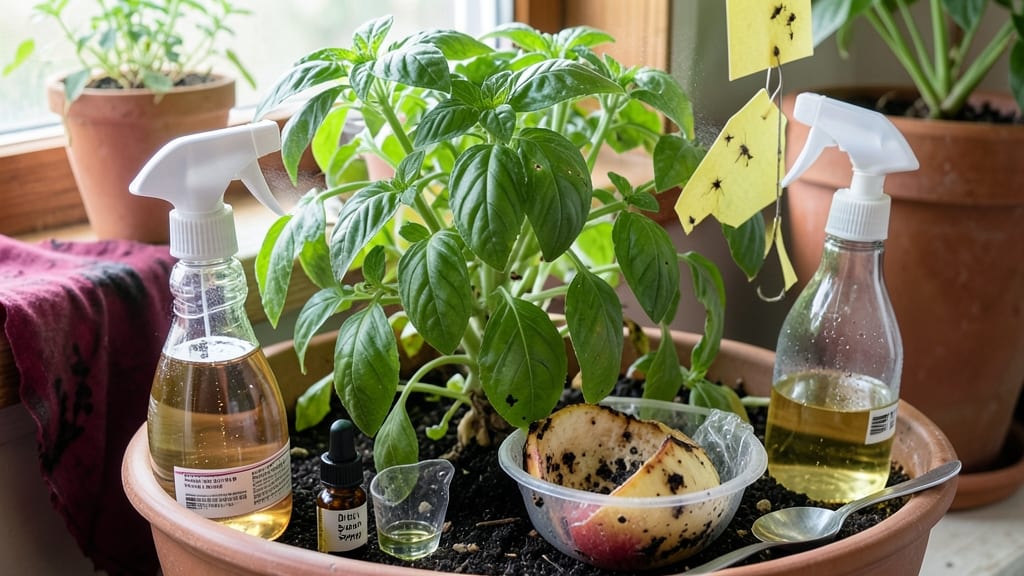
Fruit flies in your plants mean tiny black dots buzzing around your basil, swarming your compost, and turning your kitchen windowsill into an infestation hotspot. 🌱 The good news?
A simple apple cider vinegar trap can cut their numbers by 90% in just 24 hours—no chemicals, no fuss, and no more swatting them away every time you walk by.
I’ve tried every "foolproof" remedy out there, but this one actually works because it mimics what attracts fruit flies in the first place: fermenting fruit.
The trap is so effective that I’ve used it in my herb garden, my houseplant collection, and even my outdoor compost pile—no more flies, no more stress. You’ll see the difference immediately, and the best part? It’s completely safe for your plants.
What you’ll end up with is a fly-free growing space where your herbs stay fresh, your compost breaks down faster, and you never have to deal with those annoying buzzing sounds again.
The secret is consistency: set up the traps, let them do their job, and then keep an eye out for new flies before they become a problem. This method works for indoor plants, outdoor gardens, and even fruit trees—just scale up the traps if you’re dealing with a bigger infestation.
Here’s exactly how to make it happen without any guesswork.
The Hidden Triggers of Fruit Flies
Fruit flies—those tiny, buzzing pests—don’t just appear out of nowhere. 🍎🐝 They’re drawn to specific conditions in and around your plants, turning your indoor garden into an all-you-can-eat buffet.
Understanding why they show up is the first step to kicking them out for good. Let’s break down the science behind their infestation habits.
Fruit flies, scientifically known as Drosophila melanogaster, are attracted to fermenting sugars and organic decay. When fruit—especially apples, bananas, grapes, or citrus—starts to soften, wrinkle, or develop mold, it releases ethanol (alcohol) and carbon dioxide, signaling to flies that it’s a prime breeding ground. 🍌🍇
Even small amounts of spoiled produce in your kitchen or near potted plants can trigger a full-blown infestation. These flies lay their eggs in moist, decaying matter, and within 24–48 hours, larvae (maggots) emerge, ready to feast on your plants’ roots or soil.
Actionable insight: If you’ve got a compost bin, fruit bowl, or houseplant with mushy leaves, it’s a red flag. Remove the source immediately—these flies won’t hesitate to multiply.
Fruit flies thrive in damp, nutrient-rich environments. Potted plants with overwatered soil, standing water in saucers, or organic debris (like dead leaves, mulch, or fallen fruit) create the perfect nursery. 🌱💦
Why? Their larvae need moisture to survive. If your plant’s soil stays soggy for more than a few days, you’re essentially inviting flies to lay eggs. Even a single 1-inch-deep layer of moisture in the topsoil can sustain a generation of fruit flies.
Scientific note: Studies show that Drosophila species prefer substrates with 10–30% moisture content. That’s why houseplants in overly humid conditions (like bathrooms or kitchens) are high-risk zones.
Some plants naturally produce high-sugar sap or nectar, which fruit flies can’t resist. 🍯🍃 Think of plants like:
- Citrus trees (lemon, orange, lime)
- Avocado trees (especially when fruiting)
- Ficus or rubber plants (sticky sap)
- Overripe tomatoes or peppers (bursting with sugars)
When flies land on these plants, they’re drawn to the sugary exudates, which can attract more flies—and eventually, egg-laying. Even honeydew (a sticky residue left by aphids or mealybugs) becomes a fly buffet.
Pro tip: Wipe down sticky leaves with a damp cloth or use neem oil to disrupt their feeding patterns.
Fruit flies are weak fliers but excellent at detecting odors. In spaces with poor airflow, their scent signals (like those from rotting fruit or yeasty fermentation) linger, creating a chemical trail that draws more flies in. 🌪️🚫
Kitchens, greenhouses, and bathrooms with high humidity and little circulation trap these odors, making it easier for flies to find and colonize your plants. Even a single window left open can introduce flies from outside if nearby trees or trash bins are infested.
Key takeaway: Use fans, open windows periodically, or install ventilation systems to disrupt their scent-based navigation.
Now that you know why fruit flies target your plants, the next step is how to stop them. (Spoiler: Apple cider vinegar traps are your secret weapon—but we’ll get to that!) 🍏✨
Quick Fixes for Fruit Fly Infestations
Fruit flies are pesky, but with the right approach, you can banish them from your plants in no time. Below are targeted solutions based on the most common causes—overripe fruit, dirty drains, compost piles, and more—along with prevention tips to keep them from returning.
Fruit flies are drawn to fermenting organic matter, so the first step is eliminating their food source.
🔥 Step 1: Inspect & Remove Rotten Produce
- Check your kitchen counters, fridge, and plant pots for soft, mushy, or fermenting fruit (especially citrus, berries, and tomatoes).
- Toss any spoiled produce immediately—even small bits attract flies.
- If fruit is just overripe but not moldy, store it in the fridge to slow fermentation.
🍳 Step 2: Set Up a Vinegar Trap (Fastest Method) Fruit flies can’t resist apple cider vinegar—it mimics their food source but traps them instead.
- Mix 1 cup apple cider vinegar + 2 tbsp dish soap in a small bowl.
- Cover with plastic wrap, poke 5-6 small holes, and place near infested plants.
- Replace every 24-48 hours for best results.
🌱 Step 3: Clean Up Plant Debris
- Remove fallen leaves, fruit scraps, or decaying mulch from plant pots and soil.
- Wipe down leaves with a damp cloth to eliminate sticky residue (fly eggs love this).
Drains and sinks often harbor hidden fruit fly larvae, especially if organic matter builds up.
👨🍳 Step 1: Boiling Water or Baking Soda Flush
- Pour 1 cup boiling water down the drain to kill larvae.
- For a deeper clean, sprinkle ½ cup baking soda + ½ cup vinegar, let fizz for 10 mins, then flush with hot water.
🔪 Step 2: Prevent Future Buildup
- Wipe drains weekly with a damp cloth to remove food particles.
- Use a drain strainer to catch scraps before they go down.
- Pour lemon peels or citrus rinds down the drain monthly—their scent repels flies.
Compost is great, but if it’s too wet or anaerobic, it becomes a fruit fly breeding ground.
💡 Step 1: Balance Your Compost
- Turn the pile frequently (every 1-2 weeks) to introduce oxygen and speed up decomposition.
- Add dry materials (shredded cardboard, sawdust, or leaves) to absorb excess moisture.
- Avoid adding citrus, onions, or meat—these attract flies.
✨ Step 2: Use a Compost Bin with a Lid
- If flies are bad, cover your compost with a fine mesh lid or burlap.
- Try a DIY trap by burying a small bowl of vinegar + dish soap in the pile.
Once you’ve eliminated the infestation, stop them from coming back with these habits:
- 📊 Store fruit in the fridge (even whole fruits like apples and bananas).
- 🥗 Clean spills immediately—especially sugary liquids (juice, soda, wine spills).
- 🌡️ Keep kitchen surfaces dry—flies love damp areas near plants.
- 🎯 Use essential oil sprays (like eucalyptus, peppermint, or lavender) on plant leaves as a natural repellent.
- ⏰ Inspect new plants before bringing them indoors—sometimes flies hitch a ride!
By tackling the root cause (food, moisture, or decay) and preventing future attractants, you’ll create an environment where fruit flies won’t stick around. Try these methods, and you’ll see a noticeable drop in flies within 24-48 hours! 🚫🪰
Frequently asked questions
Why do fruit flies keep coming back after I use a vinegar trap?
Fruit flies are relentless because they’re drawn to hidden breeding grounds like overripe fruit, damp soil, or dirty drains. Even one missed source can restart the cycle. After setting traps, inspect your plants for rotten spots, check under pots for moisture, and clean drains with boiling water to eliminate larvae.
Can I use other liquids besides vinegar to trap fruit flies?
Yes! Beer, wine, or even overripe fruit juice work because flies are attracted to fermenting sugars. Just add 1 teaspoon of dish soap to create a sticky trap. Replace every 48 hours for best results—vinegar is just the most reliable because it doesn’t spoil as quickly.
Will fruit flies harm my plants?
While adult flies don’t bite plants, their larvae (maggots) can damage roots and soil by feeding on organic matter. Severe infestations may weaken houseplants or young seedlings. The good news? Eliminating flies with traps and cleaning up debris prevents this—your plants stay healthy while you enjoy a fly-free space.
How do I keep fruit flies away from my outdoor garden?
For outdoor spaces, cover compost piles with mesh lids and remove fallen fruit regularly. Plant basil, mint, or lavender nearby—their scents repel flies naturally. In containers, use the same vinegar trap method, but place traps near problem areas like citrus trees or overripe tomatoes.
Why do I see fruit flies in my bathroom plants?
Bathrooms are high-humidity zones, creating the perfect damp environment fruit flies love. Check for overwatered soil or standing water in saucers—drain excess immediately. Wipe leaves with a damp cloth to remove sticky residue where eggs hide, and place a vinegar trap near the plant.