
Trees
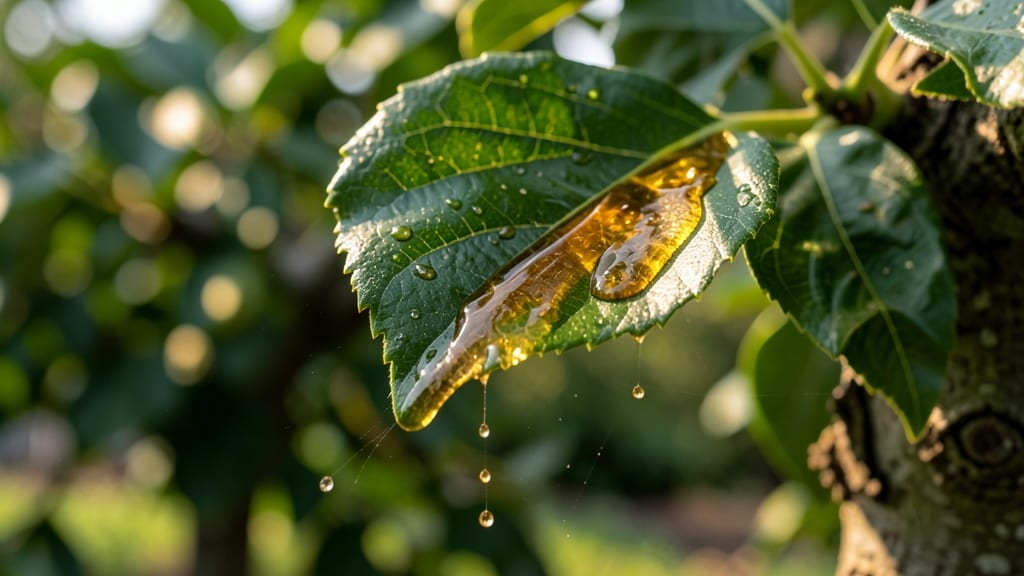
My fruit trees were under siege by aphids and mites until I discovered this homemade bug spray—a neem-oil blend that works like a charm. 🌿 The secret? A few simple ingredients that disrupt pests' life cycles without harming your orchard's health or the bees buzzing around.
Neem oil disrupts insects' feeding and reproduction, while soap breaks down their protective layers. Combined with water and a little oil to help it stick, this spray tackles aphids, mites, and even early signs of borers—all without the harsh chemicals that linger in your fruit.
I made mine in 10 minutes with items I already had, and the results were visible within days. You'll see fewer pests clinging to leaves, new growth staying vibrant, and your fruit developing without those telltale sticky trails. The best part?
It's safe to use right up until harvest, so you can spray confidently without worrying about residue. Works for all fruit trees—apples, peaches, cherries—even in small home orchards. Here's exactly how to mix it and apply it for maximum effectiveness.
📚 In This Guide
- What you need
- Instructions
- Tips and common mistakes
- Wrapping up and next steps
What you need
- ● 1 cup cold-pressed neem oil – The star pest repellent! Look for organic, cold-pressed to preserve potency.
- ● 1 tsp liquid castile soap – Acts as an emulsifier (like Dawn or Dr. Bronner’s). No degreasers!
- ● 1 quart (32 oz) distilled water – Tap water can introduce minerals that reduce effectiveness.
- ● 1 tbsp vegetable oil or coconut oil – Helps the spray cling to leaves and fruit.
- ○ 1 tsp garlic oil or powdered garlic – Adds a natural pest-deterring kick (optional but recommended!).
- ● Spray bottle (16–32 oz) – Choose glass or BPA-free plastic to avoid chemical leaching.
- ● Measuring cups/spoons – Precision matters for balance!
- ● Wooden or silicone spoon – Avoid metal (it can react with oils).
- ● Fine-mesh strainer or cheesecloth – Ensures a smooth spray (skip if using liquid garlic).
- ○ Gloves (optional) – Neem oil can stain; protect your hands!
- ● Label & marker – Mark your spray bottle to avoid mix-ups.
Step-by-Step instructions for making a natural neem-oil fruit tree spray
Here's my go-to recipe for a potent, plant-safe spray that keeps fruit trees thriving without harsh chemicals.
🌿 Step 1: Mix the Base Solution
Combine 1 tablespoon of neem oil with 1 teaspoon of mild liquid soap in a quart-sized spray bottle. The soap acts as an emulsifier, helping the oil mix with water. I like to use Castile soap because it's gentle on plants and breaks surface tension for better coverage. Shake vigorously for 30 seconds until the mixture looks cloudy but fully blended.
Real talk: neem oil is thick, so don't skip the shaking. You'll see streaks at first—that's normal until everything emulsifies. If you notice separation later, just shake again before use. This blend covers about 4 gallons of spray solution, so scale up if you have multiple trees.
💧 Step 2: Add Water and Strain
Fill the spray bottle with 1 quart of warm water (never hot—it degrades the neem oil). Stir gently to combine, then let it sit for 5 minutes to allow any undissolved particles to settle. Pour the mixture through a fine-mesh strainer into a larger container, like a gallon jug, to remove any residue. This ensures your spray won't clog your sprayer nozzle later.
Here's the thing—warm water helps activate the neem oil's pest-repelling compounds. If your spray looks cloudy after straining, that's fine; it just means the oil is fully suspended. For best results, use the spray within 24 hours of mixing, as the effectiveness diminishes over time.
☀️ Step 3: Apply at the Right Time
Spray the solution early in the morning or late afternoon when temperatures are below 85°F and the sun isn't directly shining on the trees. This prevents the spray from evaporating too quickly or burning the leaves. Focus on the undersides of leaves, stems, and fruit clusters—these are where pests like aphids, mites, and codling moths hide. Aim for a fine mist until the foliage glistens but doesn't drip.
You'll want to apply the spray every 7-10 days during peak pest seasons (spring and summer) or whenever you notice new infestations. Consistency is key—one application won't eliminate established pests, but it disrupts their life cycles over time. Avoid spraying when rain is forecasted within 24 hours, as the solution will wash away before it works.
✂️ Step 4: Reapply and Monitor
After the first application, keep an eye on your trees for 3-5 days. You should see pests like aphids or mites start to drop off or disappear entirely. If you still notice activity, reapply the spray and check for other issues, like fungal problems, which can flare up when pests are removed. Rotate spray directions slightly each time to ensure even coverage on all leaf surfaces.
Don't overdo it—I've found that applying more than once every 7 days can stress the tree. The neem oil works by disrupting pests' feeding and reproduction, not by killing them instantly. If you see new pests appearing, it might signal a resistance issue, so consider adding 1 teaspoon of garlic oil to your next batch for extra potency.
Tips & tricks for perfect natural fruit tree sprays
Here's what I've learned after perfecting this spray over years of organic gardening—these little details make all the difference.
Emulsification Tip: When mixing the 1 tablespoon of neem oil with 1 teaspoon of mild liquid soap in Step 1, shake for the full 30 seconds—I know it feels tedious, but this ensures the oil fully binds with the soap. If you see oil floating on top after shaking, give it another 10-second burst. The goal is a cloudy, uniform mixture that won't separate when you add water.
Straining Strategy: The 5-minute settling time in Step 2 is crucial—don't rush this! Use a fine-mesh strainer (like those for nut milk) to catch any undissolved particles. I've found that cheesecloth works too, but it can trap too much of the oil if you're not careful. Pour the mixture slowly to avoid clogging the strainer, and don't reuse the same strainer for multiple batches unless you've cleaned it thoroughly.
Temperature Matters: That 85°F temperature limit in Step 3 isn't arbitrary—neem oil can burn leaves when temperatures exceed this threshold. If you're spraying during a heatwave, do it in the early morning when temps are cooler. I've also noticed that spraying when humidity is high (like right after dew dissipates) helps the solution adhere better to foliage, giving it more time to work before evaporating.
Application Technique: For even coverage, work in sections—spray one branch thoroughly before moving to the next. I like to use a fine mist setting on my sprayer, holding it about 12 inches away from the leaves. The undersides of leaves are where most pests hide, so don't skip them! If you're treating a large tree, consider using a hose-end sprayer for better reach and even distribution.
Pro Tips for Homemade Bug Spray For Fruit Trees
- Here's what I've learned after perfecting this spray over years of organic gardening—these little details make all the difference.
- Emulsification Tip: When mixing the 1 tablespoon of neem oil with 1 teaspoon of mild liquid soap in Step 1, shake for the full 30 seconds—I know it feels tedious, but this ensures the oil fully binds with the soap.
- Straining Strategy: The 5-minute settling time in Step 2 is crucial—don't rush this!
Frequently asked questions
Got questions about making your own bug spray for fruit trees?
You’re not alone! Here are some of the most common concerns—and straightforward answers—to help you get started with confidence.
Can I use this spray on all types of fruit trees?
Most fruit trees—like apple, peach, cherry, and citrus—respond well to neem oil sprays, but always test a small area first to check for sensitivity. Avoid spraying during bloom (it can harm pollinators) and harvest time (wait 7–14 days before picking fruit). For delicate trees like figs or avocados, dilute the neem oil further (1 tsp per quart of water) to minimize risk.
When is the best time to apply homemade bug spray?
The ideal window is early spring (just before buds swell) and late summer (after harvest) to target eggs, larvae, and adult pests. For stubborn infestations (like aphids or mites), apply every 7–10 days during peak pest season. Pro tip: Spray early in the morning or late afternoon to avoid burning leaves in direct sunlight.
What if my fruit trees still get bugs after spraying?
If pests persist, you may need to adjust your approach:
- Reapply more frequently (daily for severe infestations).
- Add garlic or chili pepper (1–2 cloves or 1 tbsp per quart) for extra punch.
- Introduce beneficial insects like ladybugs or lacewings to eat pests naturally.
- Check for hidden pests (e.g., borers) and treat accordingly.
Can I reuse leftover neem oil spray?
Yes! Store leftover spray in a sealed, opaque container (like a spray bottle or jar) in a cool, dark place for up to 1–2 weeks. Shake well before each use. Discard if it smells rancid or develops mold. For long-term storage, freeze it in ice cube trays and thaw as needed.
Are there any plants I should avoid spraying near?
Stick to targeted spraying—neem oil can harm beneficial plants like herbs (basil, mint) or flowers (marigolds, lavender) if overapplied. Avoid spraying vegetable gardens or lawns nearby, as neem can stunt growth. Use a shield or cardboard to protect non-target plants during application.
Wrapping up and next steps
Protecting your fruit trees from pests doesn’t have to mean harsh chemicals—your kitchen and a little elbow grease can work wonders! With this neem-oil bug spray, you’re giving your trees a natural, eco-friendly shield while keeping your harvest safe and healthy. 🌿🍏
Ready to take the next step? Start small: test the spray on one tree first, monitor results, and adjust as needed. Then, expand your garden’s defenses—your future harvests (and happy trees!) will thank you.