
Neem Oil
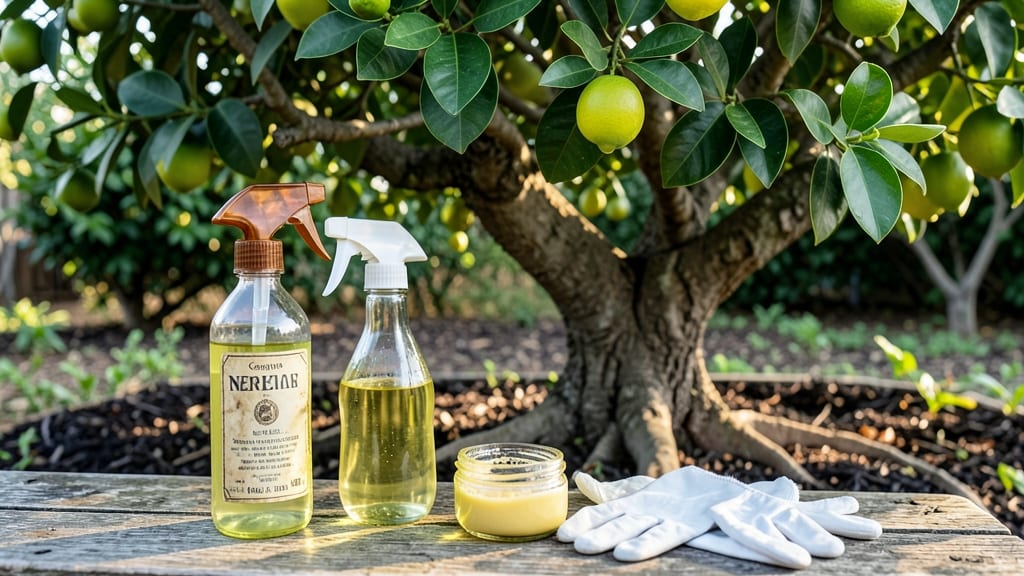
My fruit trees were losing battles to aphids and powdery mildew until I discovered neem oil's power. 🌱 This organic shield doesn't just repel pests—it strengthens trees so they bounce back from infestations without chemical damage.
The first spray saved my peach tree from a full-blown aphid takeover, and the results were immediate: new growth within days. You'll need just three simple ingredients: pure neem oil, water, and a drop of dish soap (as an emulsifier).
Mix 1 tablespoon of neem oil per quart of water, add the soap, and apply when pests are active but before they cause major damage. Early morning applications work best—cooler temps help the spray stick longer.
What you'll get is fruit that stays blemish-free and trees that thrive season after season. The organic approach means no harmful residues on your harvest, and the trees develop natural resistance over time. Even my neighbor's stubborn apple scab cleared up after three applications.
Works for apples, peaches, cherries, and citrus—any fruit tree that battles pests or fungal issues. Here's how to make it work for your orchard!
📚 In This Guide
- What you need
- Instructions
- Tips and common mistakes
- Wrapping up and next steps
What you need
- ● Neem oil (100% cold-pressed, organic): 1–2 tablespoons per gallon of water (adjust based on tree size). Look for Azadirachta indica extracts with at least 30% azadirachtin for potency.
- ● Water: 1 gallon (3.8 liters) per application. Use dechlorinated water (let tap water sit for 24 hours or use rainwater) to avoid harming plants.
- ○ Horticultural oil or liquid soap (optional but recommended): ½ teaspoon per gallon. Helps the neem oil stick to leaves and improves spread. Choose a mild, plant-safe option like Castile soap.
- ● Spray bottle or backpack sprayer: A 1–3 gallon capacity sprayer with a fine mist nozzle for even coverage. For large trees, a hose-end sprayer (5–10 gallons) works best.
- ● Protective gear: Nitrile gloves (to avoid skin irritation)
- ● Long sleeves and pants (neem oil can stain)
- ● Safety goggles (if spraying near eyes)
- ● Stirring stick or whisk: For mixing neem oil and water thoroughly.
- ● Measuring cups/spoons: To ensure precise ratios (neem oil is potent!).
- ○ Pruning shears (optional): Trim heavily infested or dead branches before spraying for better penetration.
- ● Weather check: Apply neem oil on a calm, overcast day (avoid direct sunlight or wind) to prevent leaf burn.
- ○ pH test kit (optional): Ensure your water’s pH is neutral (6.5–7.5)—neem oil works best in this range.
- ● 💡 Dilute first! Never apply undiluted neem oil—it can damage leaves. Always mix with water and a surfactant.
- ● 🌡️ Temperature matters: Store neem oil in a cool, dark place (below 85°F/30°C) to preserve its potency.
- ● 🎯 Test first: Spray a small area of the tree 24 hours before full application to check for sensitivity.
Step-by-Step guide for applying neem oil to fruit trees
Here’s how I protect my orchard organically—no harsh chemicals, just effective, fruit-safe coverage.
🌿 Step 1: Choose the Right Time and Conditions
Apply neem oil when fruit trees are dormant (late fall or early spring) or when pests first appear in summer. Avoid spraying when temperatures exceed 90°F or when rain is forecast within 24 hours—the oil needs time to bond with leaves and fruit. I always check the weather app before reaching for the sprayer.
Early morning applications work best because cooler temperatures reduce plant stress. If you must spray in summer, do it before 9 AM to prevent leaf burn from intense sunlight. Wait until the tree is completely dry after watering—wet leaves repel the oil, making it less effective.
💧 Step 2: Mix the Neem Oil Solution Properly
Use 1 tablespoon of neem oil per 1 quart of water, plus ½ teaspoon of mild liquid soap (like Castile soap) as an emulsifier. Mix in a clean sprayer until fully combined—neem oil and water don’t blend naturally, so the soap helps it stick. I stir vigorously for 30 seconds to ensure no oil floats on top.
Test the mixture on a small leaf first. If it beads up instead of spreading evenly, add a tiny bit more soap and remix. The solution should coat the leaf uniformly but not drip off. Avoid using dish soap—it can harm the tree’s natural oils and leaves residue that attracts pests.
☀️ Step 3: Apply Evenly to All Surfaces
Spray the solution thoroughly on both sides of leaves, young shoots, and the trunk’s lower 2 feet—this is where many pests hide. Use a fine mist setting on your sprayer to ensure even coverage. I start at the tree’s outer branches and work inward, overlapping each pass slightly to avoid missed spots.
Pay special attention to new growth, fruit clusters, and crevices in the bark. Pests like aphids and scale insects often cluster in these areas. Lightly mist the soil around the base (but not the trunk) to deter crawling insects. Reapply every 7-14 days during active pest seasons or after heavy rains.
✂️ Step 4: Monitor and Reapply as Needed
Check the tree 3-5 days after application for signs of pests. Neem oil works best as a preventative, so early intervention is key. If you see new infestations, repeat the spray. I keep a log of applications—some pests (like mites) may require 3-4 treatments spaced a week apart for full control.
Stop spraying 2 weeks before harvest to allow any residue to break down. Neem oil is generally safe for edible fruit when used correctly, but I prefer to err on the side of caution. Harvest only when the fruit is fully ripe and the oil has had time to degrade naturally.
🪴 Step 5: Store and Maintain Your Supplies
Keep unused neem oil in a cool, dark place (like a closet) to prevent degradation. Once mixed, use the solution within 24 hours—bacteria can grow in the water, reducing effectiveness. I store my sprayer upside down to keep the nozzle clear and rinse it thoroughly with soapy water after each use.
Replenish your neem oil supply every 6 months, even if unopened, as it loses potency over time. Label your sprayer with the mix date to avoid confusion. If the oil smells rancid or overly bitter, discard it—old oil won’t work and may harm the tree.
Tips & tricks for perfect neem oil applications
A few simple strategies that'll make your neem oil treatment more effective and protect your fruit trees like a pro.
Timing is Everything: The 24-hour window before rain is critical—neem oil needs time to bond with leaf surfaces. I set phone reminders for my spray schedule and always check the 7-day forecast. Early morning applications (before 9 AM) prevent leaf burn from summer heat, especially when temperatures approach that 90°F threshold. The cooler air helps the oil absorb better and reduces stress on the tree.
The Mixing Technique: That 30-second vigorous stirring in Step 2 makes all the difference. I use a small whisk or chopstick to break up any oil that floats to the top. For larger batches, I pour the mixture back and forth between two containers to ensure complete emulsification. The soap acts as a bridge between oil and water—don't skimp on the ½ teaspoon, but don't overdo it either. Too much soap can harm the tree's natural oils.
Targeted Application Strategy: When you're spraying in Step 3, focus on those undersides of leaves where pests love to hide. I use a fan to gently blow the branches outward while spraying to ensure even coverage. For larger trees, I work in sections—start at the top and move downward. This prevents missing spots and ensures the trunk's lower 2 feet get proper attention where crawling insects often gather. A fine mist setting helps the solution adhere better than a heavy spray.
Monitoring and Reapplication: That 3-5 day check after application is your early warning system. I keep a small magnifying glass handy to inspect leaves for any signs of new pests. Some pests like mites may require 3-4 treatments spaced a week apart, so I mark my calendar with the next application date right after each spray. The key is consistency—don't wait until you see major infestations to act.
Pro Tips for Neem Oil For Fruit Trees
- A few simple strategies that'll make your neem oil treatment more effective and protect your fruit trees like a pro.
- Timing is Everything: The 24-hour window before rain is critical—neem oil needs time to bond with leaf surfaces.
- The Mixing Technique: That 30-second vigorous stirring in Step 2 makes all the difference.
Frequently asked questions
Got questions about using neem oil for fruit trees? You’re not alone! Here are some of the most common concerns—and straightforward answers—to help you get the most out of this organic pest control powerhouse.
How often should I apply neem oil to fruit trees?
Apply neem oil every 7–14 days during active pest seasons (spring through fall). For severe infestations, use it weekly until pests decline. Always apply in the evening or early morning to avoid harming bees and ensure effectiveness. Stop applications 2–3 weeks before harvest to allow residue to break down.
Can I use neem oil on all types of fruit trees?
Yes! Neem oil is safe for most fruit trees, including apples, peaches, citrus, cherries, and berries. However, avoid using it on walnut trees or young, tender plants (like grapes), as it may cause leaf burn. Always do a patch test on a small area first.
Is neem oil safe for bees and beneficial insects?
Neem oil is non-toxic to bees when applied correctly. To protect pollinators:
- Apply only when bees are not actively foraging (e.g., late evening).
- Avoid spraying directly on blooming flowers.
- Use cold-pressed neem oil (not refined), which is gentler on ecosystems.
What should I do if neem oil burns my fruit tree leaves?
Leaf burn can happen if:
- You use too high a concentration (stick to 1–2% solution).
- You apply it on a hot, sunny day (wait for cooler weather).
- Your tree is stressed or drought-prone (water trees well beforehand).
If you see brown spots, rinse leaves with water and reduce future applications. Dilute further or switch to a soapy water spray as an alternative.
Are there any natural alternatives to neem oil for fruit trees?
Yes! If neem oil isn’t available, try these organic alternatives:
- Horticultural oil: Effective against mites and scale, but apply in dormant season.
- Insecticidal soap: Great for soft-bodied pests like aphids (reapply frequently).
- Garlic or chili pepper spray: Repels pests naturally (mix with water and a drop of dish soap).
- Diatomaceous earth: Dries out pests like caterpillars (reapply after rain).
Rotate methods to prevent pest resistance!
Wrapping up and next steps
Neem oil is your organic, eco-friendly ally for protecting fruit trees while keeping nature—and your harvest—thriving! 🌿 With its natural pest-repelling power, it’s a simple yet effective way to safeguard your trees without harsh chemicals.
Ready to give it a try? Start small—test a branch or two this season—and watch your fruit trees flourish with confidence.
🌱 Your Next Step:
- Grab your neem oil and follow the step-by-step guide above.
- Monitor your trees weekly and adjust treatments as needed.
- Share your success (or questions!) with fellow gardeners—community tips make all the difference!