
Trees
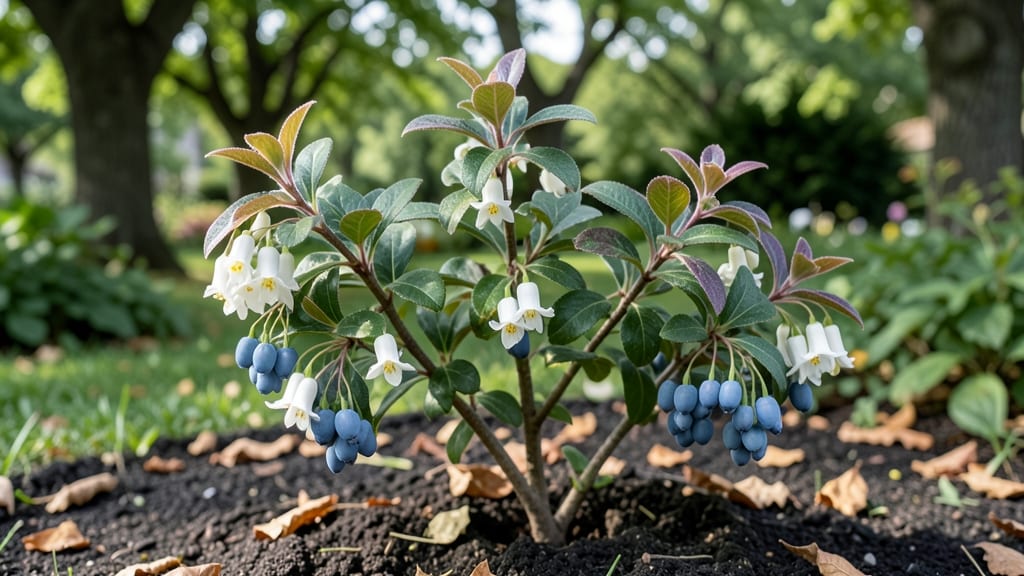
Honey berry fruit trees deliver sweet, juicy harvests in just three years—far faster than most fruit trees. 🌱 I planted mine last spring, and already the vines are sending out thick canes. The secret?
These hardy shrubs thrive with minimal fuss, producing berries that taste like a cross between blueberries and raspberries. They’re cold-hardy down to zone 3, making them perfect for northern climates where traditional berries struggle.
Unlike finicky fruit trees, honey berries tolerate poor soil, drought once established, and even urban conditions with the right sunlight. My plants get 6-8 hours of sun and still produce prolifically. By year three, you’ll be harvesting pint-sized berries in late summer—each cluster packed with flavor.
The vines spread naturally, so they’re great for hedges or trellises, and birds adore them too (though netting helps preserve your crop). Best of all? These shrubs reward low-maintenance care with high yields. Let’s get yours growing!
📚 In This Guide
- What you need
- Instructions
- Tips and common mistakes
- Wrapping up and next steps
What you need
- ● Honey Berry Plants: 2-4 bare-root or potted plants (choose self-pollinating or cross-pollinating varieties based on your goals)
- ● Ensure they’re disease-free and from a reputable nursery (e.g., Lonicera caerulea varieties like ‘Borealis’ or ‘Tundra’)
- ● Soil: Well-draining, slightly acidic soil (pH 5.5–6.5)
- ● Compost or organic matter (1-2 bags per plant)
- ● Fertilizer: Balanced, slow-release fertilizer (10-10-10 or similar, 1 lb per plant)
- ○ Optional: Organic options like fish emulsion or worm castings
- ● Planting Tools: Trowel or small shovel
- ● Garden gloves (1 pair)
- ● Pruners (sterilized)
- ○ Support Structures (Optional but Helpful): Trellis, stakes, or small cages (for climbing varieties)
- ● Twine or soft ties (if using trellises)
- ● Mulch (2–3 inches of straw, wood chips, or pine needles to retain moisture)
- ● Drip irrigation system or soaker hoses (for consistent watering)
- ● Pest deterrents (neem oil, row covers, or bird netting)
- ● Soil pH test kit (to monitor and adjust acidity)
- ● Winter protection (burlap wraps or frost cloth for colder climates)
Step-by-step guide to planting honey berry fruit trees
Here's how I get these fast-growing, low-maintenance berries thriving in just a few seasons.
🌱 Step 1: Choose the Right Location and Prepare the Soil
Honey berries love full sun—select a spot that gets at least 6-8 hours of direct sunlight daily. I always test the area first by observing how much sun it receives over a week. If your yard has partial shade, choose the sunniest corner possible.
These trees tolerate a wide range of soil types but thrive best in well-draining, slightly acidic soil with a pH between 5.5-6.5. Before planting, mix 2-3 inches of compost into the top 12 inches of native soil to improve fertility and drainage. If your soil is heavy clay, add a 50/50 mix of compost and coarse sand to prevent waterlogging.
🪴 Step 2: Plant Bare-Root Trees at the Correct Depth and Spacing
Dig a hole twice as wide as the root ball but only as deep as the roots themselves. This prevents burying the graft union, which can cause weak growth. Gently loosen the roots if they’re circling tightly, then place the tree in the hole so the top of the root ball sits 1-2 inches below soil level. This slight mound helps prevent rot during heavy rains.
Space trees 8-10 feet apart for optimal air circulation and sunlight penetration. I always plant in early spring, just as buds begin to swell but before leaves emerge. This gives roots 6-8 weeks to establish before summer heat arrives. Water deeply immediately after planting to settle the soil and eliminate air pockets.
☀️ Step 3: Establish a Watering Routine for the First Critical Year
Newly planted honey berry trees need deep, infrequent watering—about 1-1.5 gallons per tree weekly during the first growing season. I water early in the morning to reduce evaporation and fungal risks. The goal is to keep the top 6 inches of soil consistently moist, not soggy.
Check moisture by sticking your finger 2 inches into the soil. If it feels dry, water again. Avoid overhead sprinkling, which can spread disease. Instead, use a soaker hose or drip irrigation placed at the tree’s drip line. Mulch with 2-3 inches of organic mulch (like wood chips) to retain moisture and suppress weeds.
✂️ Step 4: Prune for Structure and Fruit Production in Early Spring
Prune honey berry trees annually in late winter or early spring, just before buds swell. Remove any dead, diseased, or crossing branches first—these compete for energy and can harbor pests. Then, thin out 10-15% of the total branches to improve airflow and sunlight penetration to the center of the tree.
Focus on open-center pruning: Shape the tree into a vase-like form by cutting back last year’s growth to an outward-facing bud. This encourages a strong, productive structure. Avoid heavy pruning in fall, as new growth won’t harden off before winter. After pruning, apply a balanced fertilizer (10-10-10) to support new growth.
🍓 Step 5: Harvest and Maintain for Long-Term Productivity
Honey berries ripen in late summer to early fall, typically 3-4 years after planting. You’ll know they’re ready when the fruit turns a deep golden-yellow and releases a sweet, honey-like aroma. Harvest by twisting gently or using pruning shears to avoid damaging the stems.
After harvest, remove any fallen leaves or fruit from the base of the tree to prevent fungal diseases. Apply a layer of fresh mulch around the drip line to protect roots during winter. In late winter, fertilize again with slow-release granules to prepare for the next season’s growth. With this care, your trees will produce bountiful harvests for decades.
Tips & tricks for perfect honey berry fruit trees
These simple but powerful strategies will help you grow thriving honey berry trees with minimal effort.
Sunlight Strategy: If your yard has limited sun exposure, consider planting near a south-facing wall or fence—this can add valuable reflected sunlight hours. I’ve seen trees in partial shade still produce fruit, but the quality and quantity will be significantly better with the full 6-8 hours of direct sunlight specified. Use a sun calculator app to map your yard’s sunlight patterns before committing to a location.
Soil Preparation Insight: The 2-3 inches of compost mixed into the top 12 inches of soil isn’t just about nutrients—it’s about creating the right soil structure. For heavy clay soils, that 50/50 compost and sand mix is crucial. I’ve seen gardeners skip this step and struggle with waterlogging, which can suffocate roots. Test your soil’s drainage by digging a hole, filling it with water, and timing how long it takes to drain—if it’s still wet after 6 hours, you definitely need that sand.
Planting Depth Secret: That 1-2 inch mound above soil level might seem counterintuitive, but it’s a critical flood prevention tactic. In my experience, this small elevation prevents water from pooling around the trunk during heavy rains, which can lead to rot. If you’re planting in a particularly rainy climate, consider adding a small berm around the base to further enhance drainage.
Watering Hack: The 1-1.5 gallons weekly guideline assumes average summer conditions. In hotter climates, you might need to increase this to 2 gallons weekly during peak summer months. I track watering by monitoring the top 6 inches of soil moisture—if it’s bone dry at 2 inches deep, it’s time to water. A simple moisture meter can take the guesswork out of this, especially for busy gardeners.
Pro Tips for Honey Berry Fruit Trees
- These simple but powerful strategies will help you grow thriving honey berry trees with minimal effort.
- Sunlight Strategy: If your yard has limited sun exposure, consider planting near a south-facing wall or fence—this can add valuable reflected sunlight hours.
- Soil Preparation Insight: The 2-3 inches of compost mixed into the top 12 inches of soil isn’t just about nutrients—it’s about creating the right soil structure.
Frequently asked questions
Got questions about growing honey berry fruit trees? You’re not alone! Here are answers to some of the most common queries to help you get started with confidence.
How long does it take for honey berry trees to bear fruit?
Most honey berry trees start producing fruit in 2–3 years after planting, though some varieties may take slightly longer. Patience pays off—once established, they can yield sweet berries for decades with minimal effort!
What’s the best climate for growing honey berry trees?
Honey berries thrive in USDA Zones 3–8, preferring cool to moderate climates. They tolerate light frost but struggle in extreme heat or humidity. If you live in a hotter region, plant them in partial shade and keep soil moist.
Can I grow honey berries in containers?
Yes! Honey berry trees adapt well to large containers (15+ gallons) if pruned regularly. Use well-draining soil and ensure the pot has drainage holes. Dwarf varieties (like ‘Tundra’) are ideal for small spaces or balconies.
What pests or diseases should I watch for?
Common issues include aphids, spider mites, and powdery mildew. Keep trees healthy with regular pruning and organic sprays (neem oil works well). Avoid overwatering—wet foliage invites fungal problems.
Are honey berries related to blueberries or raspberries?
Nope! Honey berries are a hybrid of blackcurrant and raspberry, creating a unique flavor profile. They’re not true berries (botanically speaking) but pack a sweet-tart punch similar to both. Fun fact: They’re also low-maintenance compared to blueberries!
Wrapping up and next steps
Growing honey berry fruit trees is a rewarding journey that delivers delicious, low-maintenance sweetness in just three years!
Whether you're a beginner or a seasoned gardener, these hardy plants thrive with minimal effort—perfect for small spaces or larger gardens. 🌱 With the right care, you’ll enjoy a bountiful harvest of tart-sweet berries that are packed with flavor and nutrients.
Ready to start your own honey berry adventure? Plant your trees today and watch your garden transform into a fruiting paradise—your taste buds (and future smoothies!) will thank you. 🍓✨