
Planting
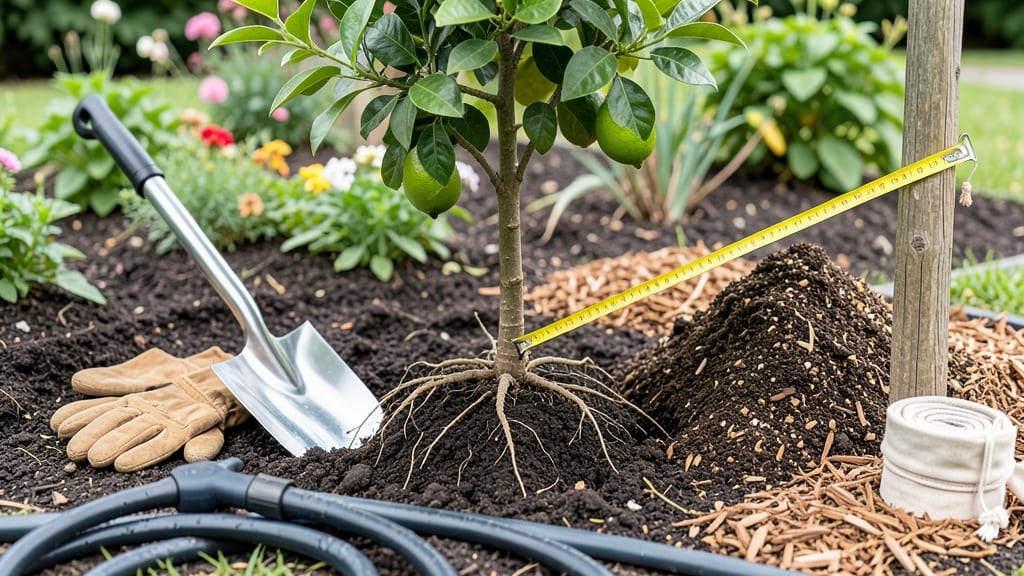
Planting fruit trees at the right depth is the foundation for a thriving 🍎 orchard—too shallow and roots dry out, too deep and they suffocate.
Most gardeners bury fruit trees too deep, thinking "more soil equals more stability," but the truth is, improper planting depth can stunt growth, weaken roots, and even shorten a tree's lifespan by decades.
I’ve seen it happen with peach trees in my own yard, where the roots girdled and the trunk rotted from being planted too low.
What you need is a science-backed approach that accounts for soil type, root flare exposure, and even the tree’s species. Whether you’re planting an apple sapling in Zone 6a or a citrus tree in warmer climates, getting the depth right ensures stronger roots, better yields, and long-term success.
In this guide, I’ll walk you through the exact depth for planting, how to check for the right root flare, and the common mistakes that kill fruit trees before they even bear fruit.
By the end, you’ll know exactly where to place that shovel for a tree that grows strong and productive for years.
Optimal root zone depth for fruit trees by species and soil type
Getting the root zone depth right when planting fruit trees is the difference between a thriving orchard and a struggling sapling. Most gardeners bury trees too deep—often by accident—without realizing how quickly this can suffocate roots and trigger girdling.
The key lies in exposing the root flare (that swollen area at the base where roots meet trunk) just above soil level.
Why does this matter? When you bury the root flare, moisture traps there and rot sets in, while shallow planting leaves roots vulnerable to drying out. Each fruit tree species has unique needs, and even the same type behaves differently in clay vs. sandy soil.
Let’s break down the science so you can plant with confidence.
Visual reference: Imagine the root flare as a tree’s “waistline”—it should sit 1-3 inches above ground after planting. For most species, this means digging a hole twice as wide as the root ball but only as deep as the root system. Never deeper than the container’s bottom if potted.
| Tree Type | Root Flare Position | Planting Depth (Inches) | Soil Adjustments |
|---|---|---|---|
| Apple (Malus domestica) | 1-2" above soil | 12-18" (loamy soil) | Add compost to clay |
| Peach (Prunus persica) | 2-3" above soil | 10-14" (sandy soil) | Mulch heavily in summer |
| Citrus (Citrus spp.) | 3-4" above soil | 6-10" (well-draining) | Raise beds for clay |
| Cherry (Prunus avium) | 1-2" above soil | 14-18" (loamy) | Avoid waterlogging |
| Avocado (Persea americana) | 4-5" above soil | 4-6" (sandy/loamy) | Drainage holes required |
For apple and cherry trees, aim for a planting depth where the top of the root ball sits 2-3 inches below soil level. This accounts for natural settling.
In clay soil, which compacts easily, dig wider holes (3x the root ball) and mix in organic matter like compost or aged manure to improve aeration.
Citrus trees are the most sensitive—burying them too deep causes root rot in their native sandy soils. Use raised beds if your native soil is heavy, and always plant them shallower than other fruit trees. The root flare should peek out like a small hillock above the surrounding soil.
Peach and plum trees thrive in well-draining soil but hate soggy roots. If your garden has clay, create a mounded planting area rather than a hole. This raises the tree above waterlogged zones while keeping roots cool. Mulch with wood chips to retain moisture without suffocating roots.
Pro tip: After planting, water deeply to settle the soil, then check the root flare position again. If it’s now buried, gently scrape soil away with a trowel. The goal is stable support without smothering roots. Over time, roots will spread horizontally—never downward—so prioritize width over depth.
One common mistake? Assuming “deeper = stronger.” In reality, shallow roots (within the top 12 inches) access most nutrients. Deeper planting forces roots upward, creating a weak anchor that snaps in wind. Always err on the side of shallower planting for young trees.
For container-grown fruit trees, remove the pot and inspect roots before planting. If roots circle the container (a sign of root-bound stress), gently tease them apart before placing in the hole. This encourages outward growth instead of suffocation.
Remember: The first year is critical. Monitor your tree’s growth closely—if leaves yellow or the trunk leans, revisit the planting depth. With the right root zone, your fruit trees will reward you with decades of harvests instead of early decline. 🌱
Common mistakes that kill fruit trees (and how to fix them)
Even experienced gardeners sometimes make critical errors when planting fruit trees that can silently kill them over time. The most devastating mistake? Planting too deep, which suffocates roots and causes girdling—a condition where the trunk can't transport nutrients properly.
I've seen peach trees planted with their root flares buried under 4 inches of soil, and within two years, their growth stalled completely.
Another silent killer is compacting the soil around the roots during backfilling. Heavy machinery or even enthusiastic gardeners can create dense soil layers that restrict oxygen flow, leading to root rot.
I once dug up a young apple tree that had been planted in clay soil compacted by a shovel—its roots were asphyxiating, despite regular watering.
Here's the worst part: these mistakes often go unnoticed until it's too late. The tree may look fine for a season or two, but the damage compounds underground. Let's fix this before your next planting season.
Critical Planting Depth Warning
Never bury the root flare—this swollen area at the base of the trunk must remain 2-3 inches above soil level. The root zone depth should match the tree's natural planting depth in its nursery container. For most fruit trees, this means:
- 🌱 Dwarf varieties: 12-18 inches deep
- 🌳 Standard trees: 18-24 inches deep
- ⚠️ Citrus trees: Only 6-12 inches deep (they hate deep planting!)
Pro Tip: If your tree has a graft union, plant it 1-2 inches above soil level—this prevents rot at the junction.
Let's tackle the five most destructive planting mistakes and their fixes. First on the list: over-deepening. When you plant a fruit tree too deeply, you create an oxygen-starved zone around the roots.
The tree's natural root flare should be visible above the soil line—if it's buried, the trunk can't properly transport water and nutrients from roots to leaves.
To fix an already-over-deepened tree, you'll need to carefully excavate soil around the base using a garden fork. Work in small sections to avoid damaging roots, and stop when you reach the original root flare level.
Then, backfill with a loose, airy mix of native soil and compost (70/30 ratio). Water thoroughly to settle the soil without compacting it.
Another common error is compacted soil layers from improper backfilling. Many gardeners use heavy garden soil or till the planting hole aggressively, creating a dense barrier that roots can't penetrate. The solution?
Amend your native soil with organic matter (like compost or aged manure) and use a broadfork to aerate the soil before planting. For clay soils, mix in sand or perlite to improve drainage.
For trees already suffering from compacted soil, create vertical soil channels around the root zone using a garden fork. Insert the fork 12-18 inches deep and wiggle it gently to break up compacted layers.
Then, top-dress with mulch (3-4 inches of wood chips) to encourage beneficial microbial activity and prevent future compaction.
Remember: the goal is to mimic the tree's natural growing conditions. Most fruit trees thrive when their roots can spread freely in well-aerated, slightly acidic soil (pH 6.0-7.0). By correcting these common mistakes, you'll give your trees the strong foundation they need for decades of productive growth.