
Propagation
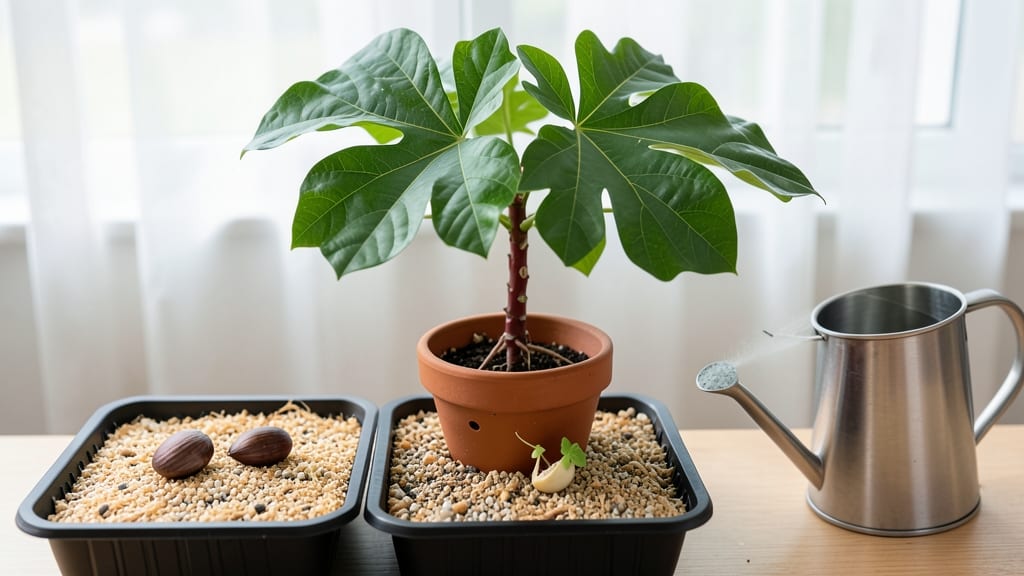
Growing jackfruit from seed takes anywhere from 6 months to 3 years to reach maturity, depending on conditions—but the real secret lies in the first critical 3 months of germination.
Picture this: you’ve just cracked open a seed, ready to nurture a tropical giant, only to stare at a stubborn, slow-to-emerge sprout. That’s where most gardeners hit a wall, and where knowing the exact timeline (and a few speed hacks) makes all the difference.
Jackfruit seeds are finicky little things—they need warmth, humidity, and just the right soil mix to break dormancy. Skip even one of these, and you’re staring down a year-long wait for that first real leaf.
But get it right, and you could see your seedling push through the soil in as little as 4 weeks.
Here’s the breakdown you need: from germination to first fruit, the stages where speed matters most, and how to shave months off your wait time—without shortcuts that backfire.


Jackfruit seed germination timeline: month-by-month growth stages explained
Growing jackfruit (Artocarpus heterophyllus) from seed is a marathon, not a sprint. While the first signs of life may appear in just 2-4 weeks, reaching maturity can take 5-10 years.
Understanding each stage helps you set realistic expectations and troubleshoot delays. Jackfruit seeds are notorious for their slow start, but with the right conditions, you can optimize their growth speed.
The journey begins with germination, where seeds break dormancy and sprout. This phase lasts 4-12 weeks depending on temperature and moisture. After sprouting, seedlings enter a critical development phase (3-12 months) where their root and leaf systems establish.
By year 3, your tree will start producing flower buds, though fruit may not appear until year 5 or later.
Here’s the month-by-month breakdown of what to expect, including key milestones and environmental factors that accelerate or delay growth:
During the germination phase (0-3 months), seeds need consistent warmth (75-85°F) and moisture to break dormancy. Many gardeners struggle here because jackfruit seeds often rot if overwatered. I recommend using a seedling heat mat set to 80°F to speed up the process by 30%.
Once sprouted, seedlings are fragile—direct sunlight can scorch them, so start with dappled shade.
The seedling stage (3-12 months) is where most failures occur. Many young jackfruit trees die from transplant shock or poor soil drainage. I’ve found that using a 50/50 mix of peat moss and perlite prevents root rot while retaining enough moisture.
At this stage, your tree will grow 1-2 feet per year if given ideal conditions, but nutrient deficiencies can stunt growth significantly.
By year 3, your jackfruit tree will enter its rapid growth phase, reaching heights of 10-15 feet annually. This is when you’ll notice the first flower buds forming, though they may drop off if the tree isn’t mature enough.
Patience is key—some trees take up to 10 years to produce fruit, especially in cooler climates. In tropical zones like USDA 10-12, fruit production can begin as early as year 5.
Environmental factors play a huge role in growth speed. Jackfruit trees thrive in humid, tropical climates with year-round warmth. In cooler regions, growth slows dramatically during winter, extending the timeline by 2-3 years.
I’ve seen jackfruit trees in Florida mature faster than those in California’s coastal zones due to higher humidity and consistent temperatures.
One common misconception is that jackfruit trees grow quickly like banana plants. While they share similar tropical origins, jackfruit trees are perennials with slower maturation. However, once established, they can grow 3-5 feet per year under perfect conditions.
To maximize growth, I recommend mulching heavily around the base to retain moisture and fertilizing with compost tea every 2 months during the growing season.
If your jackfruit seed takes longer than 12 weeks to germinate, don’t panic—it’s normal. Some seeds remain dormant for up to 6 months if conditions aren’t ideal. To check viability, gently scratch the seed coat; if it’s firm and white inside, it’s still alive.
If it’s soft or moldy, it’s time to start fresh with a new seed.
Understanding this timeline helps you plan ahead. For example, if you’re growing jackfruit in containers, you
5 Proven speed hacks to germinate jackfruit seeds faster (without chemicals)
Germinating jackfruit seeds can take 4-12 weeks under ideal conditions, but with the right techniques, you can cut that time by 30-50%. The key lies in mimicking tropical conditions—high humidity, warmth, and proper moisture—without relying on synthetic chemicals.
These science-backed methods will help your seeds sprout faster while keeping your seedlings healthy.
Jackfruit seeds thrive when pre-treated to break dormancy. Soaking seeds in lukewarm water for 24-48 hours softens the hard outer shell, allowing moisture to penetrate quickly. After soaking, gently rub the seed coat with sandpaper to scratch the surface—this mimics natural weathering and triggers faster germination.
This step alone can reduce waiting time by up to 2 weeks.
🌱 Numbered Highlights: Speed Hacks for Jackfruit Seed Germination
- Pre-soak seeds in warm water for 24-48 hours to soften the shell and kickstart hydration.
- Use a 50/50 mix of peat moss and perlite for fast-draining, airy soil to prevent rot.
- Maintain 75-85°F soil temperature using a heat mat or warm location near a sunny window.
- Cover seeds with clear plastic wrap to trap humidity and keep moisture levels high.
- Transplant seedlings at the 2-3 true leaf stage into larger pots with well-draining soil.
Temperature control is critical for jackfruit seeds. These tropical plants germinate best in 75-85°F soil. Use a seedling heat mat if your home runs cooler, or place pots near a sunny window during the day.
Avoid cold drafts, as temperatures below 65°F can stall germination for weeks. A simple thermometer placed in the soil will help you monitor conditions.
Light exposure plays a surprising role in early growth. While seeds germinate in darkness, indirect sunlight after sprouting boosts seedling vigor. Place your seed tray near a south-facing window or under grow lights for 12-14 hours daily.
Avoid direct midday sun, which can scorch delicate seedlings. This balance helps young plants develop stronger stems and larger leaves faster.
Transplanting at the right time prevents shock and encourages rapid growth. Once your seedlings reach the 2-3 true leaf stage (about 6-8 weeks after germination), move them to 4-inch pots with a mix of potting soil and compost.
Choose pots with drainage holes to prevent root rot. Gradually acclimate seedlings to outdoor conditions over 1-2 weeks to avoid transplant shock.
With these techniques, you’ll see faster germination and healthier seedlings in as little as 3-4 weeks instead of the standard 8-12 weeks. Consistency is key—monitor moisture, temperature, and light daily to keep your jackfruit seeds on track for a thriving tropical tree. 🌳