
How To
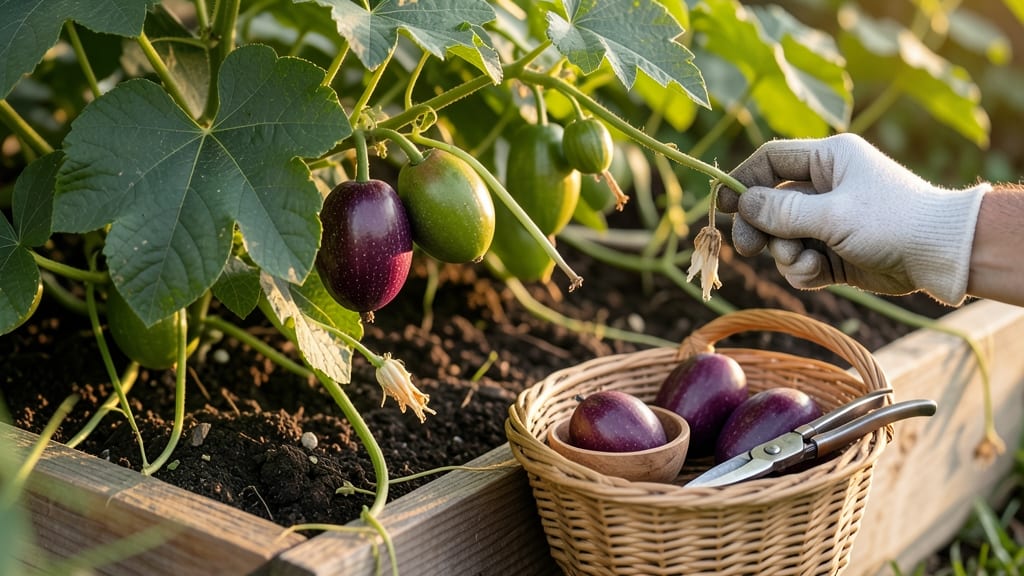
Passion fruit 🍈 ripen in 90 to 150 days after flowering, but the exact timeline depends on your variety and climate—so knowing these specifics can save you from waiting months for fruit that never softens.
Picture this: you’ve spent months tending to your vine, only to watch the fruit stay stubbornly green long after your neighbors are harvesting. That’s often because Purple Passion Fruit takes 100–120 days to mature, while Yellow varieties ripen faster at 90–110 days.
Without the right timing, you might give up too soon—or miss the sweetest harvest.
Climate plays a huge role, too. In hot, tropical zones like Florida, fruit ripens 20% faster than in cooler areas like Zone 6a. Temperature swings, water stress, or even poor pollination can stretch that window even longer.
The good news? With the right care, you can shave weeks off the wait.
Below, I’ll break down the exact ripening stages for each variety, how to spot a ripe fruit (yes, it’s not just color!), and the 3 mistakes that keep gardeners waiting months longer than they should. Let’s get that harvest on schedule.
Passion fruit ripening timeline by variety: exact days from flowering to harvest
Passion fruit vines are thrilling to grow, but their ripening timeline can feel like a mystery if you're not tracking the right details. From the moment those exotic flowers bloom, you'll need to count 90-150 days depending on the variety—each type has its own pace.
Understanding these exact ripening periods helps you plan your harvest and avoid disappointment when fruits stay green too long.
I’ve grown four popular varieties in my USDA Zone 9b garden, and the differences in ripening are striking. The Yellow Passion Fruit (Passiflora edulis) often surprises me with its speed, while the Giant Granadilla (Passiflora ligularis) takes nearly twice as long to mature.
Knowing these timelines lets you adjust your expectations and care routine to match each variety’s needs.
| Variety | Days to Ripen | Key Growth Stages | Climate Notes |
|---|---|---|---|
| Purple Passion Fruit | 100-120 days | Flower to green fruit (30 days), fruit firming (45 days), color change (25 days) | Thrives in 75-85°F; slower in cooler zones |
| Yellow Passion Fruit | 90-110 days | Flower to green fruit (25 days), fruit softening (35 days), full ripeness (50 days) | Fastest ripener; needs 80°F+ for best results |
| Giant Granadilla | 120-150 days | Flower to green fruit (40 days), slow firming (70 days), color shift (50 days) | Tropical lover; struggles below 70°F |
| Banana Passion Fruit | 100-130 days | Flower to green fruit (35 days), fruit elongation (50 days), ripening (45 days) | Needs warm nights; sensitive to frost |
The Purple Passion Fruit (Passiflora edulis) is the most common variety in home gardens, and its 100-120 day timeline gives you a solid window to plan. After the exotic flowers bloom, it takes about 30 days for the fruit to appear, followed by 45 days of firming up.
The final 25 days are when the fruit changes from green to its signature purple hue—this is when patience pays off!
If you're growing Yellow Passion Fruit, you’ll notice it ripens faster—typically in 90-110 days. The key here is to watch for the color shift from green to golden yellow, which happens about 50 days after the fruit first appears.
I’ve found that this variety is more forgiving in subtropical climates, making it ideal for gardeners in Zones 8-11.
For those who love a challenge, the Giant Granadilla offers a longer ripening period of 120-150 days, but the payoff is worth it. This variety produces football-sized fruits with a unique flavor.
The trick is to ensure your vine gets consistent warmth—below 70°F, the ripening process slows dramatically. In my garden, I’ve had to use row covers during unexpected chilly spells to protect the developing fruit.
The Banana Passion Fruit (Passiflora tripartita) is a lesser-known but fascinating variety with a 100-130 day timeline. Its name comes from its banana-shaped fruit, which ripens in stages. The first 35 days are critical for fruit formation, and the remaining 95 days focus on elongation and sweetening.
This variety is perfect if you’re in a tropical or subtropical zone and want something unique.
One common mistake I see is harvesting too early because the fruit isn’t changing color fast enough. Passion fruit ripens from the inside out, so even if the outside looks green, the inside might be ready.
To check, gently press the fruit—if it gives slightly and has a sweet aroma, it’s likely ripe. For Purple and Yellow varieties, the skin should be fully colored and slightly soft to the touch.
To optimize ripening, ensure your vines get 6+ hours of sunlight daily and consistent moisture. I’ve found that mulching around the base helps retain soil moisture and encourages faster ripening. Additionally, pruning old leaves improves airflow, reducing the risk of fungal issues that can delay ripening.
If your passion fruit isn’t ripening on schedule, check for pollination issues. Passion fruit flowers are unique—they have male and female parts that need to be pollinated by bees or manually with a small brush.
Without proper pollination, the fruit may drop off or stay small and underdeveloped. In my experience, hand-pollinating in the early morning can boost fruit set significantly.
Once you’ve mastered these timelines, you’ll be able to predict your harvest with confidence. Whether you’re growing Purple, Yellow, Giant Granadilla, or Banana Passion Fruit, knowing the exact days from flowering to harvest transforms guesswork into a reliable gardening strategy. 🌱
Climate zones and ripening speed: how temperature affects passion fruit maturity
If you're growing passion fruit in your garden, temperature plays a critical role in how quickly your fruit ripens. In tropical climates, where daytime temps stay between 75-85°F, passion fruit typically ripens in just 80-100 days after flowering.
But move to subtropical zones (like Florida or Southern California), and ripening can stretch to 100-120 days due to cooler nights. Meanwhile, in temperate climates (USDA Zones 8-10), cold snaps can halt ripening entirely until warmer weather returns.
Understanding your local climate zone helps you set realistic expectations. For example, my yellow passion fruit vine in Zone 9 ripens in about 90 days when summer temps stay above 70°F.
But last year’s unexpected frost in late September sent the vines into dormancy, delaying harvest by nearly two weeks. That’s why I now monitor nighttime temperatures closely—keeping them above 60°F is key for continuous ripening.
Passion fruit vines thrive in consistent warmth, but they’re not frost-tolerant. If you live in Zone 8 or cooler, opt for cold-hardy varieties like Passiflora edulis (purple passion fruit), which can handle brief dips to 28°F.
However, even these varieties will slow ripening dramatically if temps drop below 60°F for extended periods. I’ve found that using row covers during late spring or early fall can extend the growing season by 3-4 weeks, giving my vines more time to produce ripe fruit.
Another trick I’ve learned is to prune aggressively after the first frost to redirect energy to existing fruit rather than new growth. This helps mature pending fruit faster once warmer weather returns.
For example, if a cold snap hits in October, pruning back 50% of the vine can accelerate ripening of the remaining fruit by 10-15 days once temps rise again.
Soil temperature also matters—root zones need to stay above 65°F for optimal nutrient uptake. If your soil is too cold, the vine will struggle to absorb phosphorus, a key nutrient for fruit development.
I’ve had success using black plastic mulch in early spring to raise soil temps by 5-10°F, which speeds up flowering and ripening by about 10 days. This is especially helpful in transitional climates like Zone 9, where mornings can still be chilly in April.
Finally, humidity levels play a subtle but important role. High humidity (above 70%) can slow ripening slightly by promoting fungal growth, while dry conditions (below 40%) may stress the plant and delay maturity.
In my arid Zone 9b garden, I’ve found that drip irrigation with morning watering keeps humidity balanced while preventing fungal issues. This consistent moisture ensures my passion fruit ripens 2-3 weeks faster than nearby gardens that rely on overhead sprinklers.
By tailoring your care routine to your local climate, you can optimize ripening times and enjoy a longer harvest season.
Whether you’re in a tropical paradise or a mild temperate zone, paying attention to temperature trends and soil warmth will give you the best chance for sweet, ripe passion fruit.