
Trees
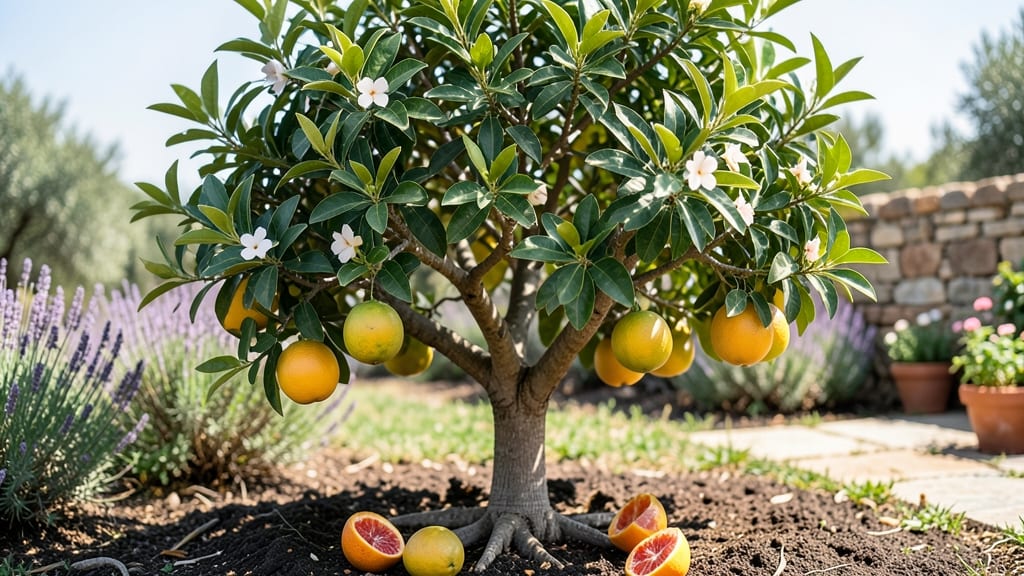
How tall do grapefruit trees grow? At maturity, they reach heights between 15 and 30 feet, but your choice depends on space and goals—because a dwarf variety could thrive in a container while a standard tree needs a full yard.
Picture this: your backyard just isn’t big enough for a towering citrus giant, or you’re dreaming of potted harvests on a patio. The height of your grapefruit tree isn’t just about aesthetics—it’s about fruit access, pruning effort, and even how quickly it bears.
For Zone 9b, where these trees thrive year-round, the right size makes all the difference.
Below, we break down the key differences between dwarf (8-12 feet) and standard varieties, plus the 5 factors that can push a tree toward the sky—or keep it compact. Spoiler: pruning isn’t just for looks.
Ready to pick the perfect size? You’ll also find out how to control growth without sacrificing those juicy, tart fruits—because even a 30-foot tree can be managed with the right tricks.


Grapefruit tree height guide: standard vs. dwarf varieties compared
Choosing the right grapefruit tree height depends entirely on your space and gardening goals. Standard varieties can reach 20-30 feet at maturity, while dwarf varieties stay between 8-12 feet. This dramatic difference means your backyard layout, container size, or even urban patio can dramatically influence which type you select.
For home gardeners with limited space, dwarf grapefruit trees offer the perfect solution. These compact varieties produce fruit just like their larger counterparts but require far less room. Meanwhile, standard trees need ample space to thrive, making them ideal for rural properties or large estates.
Here’s how the two types compare in terms of height, growth rate, and space requirements:
| Type | Mature Height | Growth Rate (Annual) | Space Needs | Best For |
|---|---|---|---|---|
| Standard | 20-30 ft | 12-24 inches | Large yards, rural properties | Full sun, deep soil |
| Dwarf | 8-12 ft | 6-12 inches | Containers, small yards, patios | Partial shade, well-draining pots |
| Semi-Dwarf | 12-18 ft | 8-16 inches | Medium yards, larger containers | Balanced sun and space |
Standard grapefruit trees grow 12-24 inches per year, reaching their full height in 10-15 years. Their towering stature means they need plenty of room to spread their roots and branches.
If you’re planting one in your yard, ensure it’s at least 20 feet away from structures, fences, or other trees.
Dwarf varieties, on the other hand, grow 6-12 inches annually and mature in 5-8 years. Their compact size makes them ideal for containers, urban gardens, or even patios. Just ensure your pot is at least 15-20 gallons to accommodate their root system and provide stability.
Semi-dwarf grapefruit trees strike a balance, growing 8-16 inches per year and reaching 12-18 feet at maturity. They’re perfect for gardeners who want a manageable size without sacrificing fruit production. These trees thrive in medium-sized yards or large containers.
When selecting a grapefruit tree, consider not just its height but also your climate zone. Citrus trees thrive in USDA Zones 9-11, where frost is rare.
If you live in a colder region, opt for a dwarf variety, which can be moved indoors during winter or grown in a large container that can be sheltered.
Pruning plays a key role in managing grapefruit tree height. Regular pruning can keep standard trees 10-15 feet shorter than their natural height, while dwarf trees benefit from light pruning to encourage bushier growth and better fruit production. Always prune in late winter or early spring before new growth begins.
For container-grown grapefruit trees, choose a pot with drainage holes and use a well-draining citrus mix. Dwarf trees in containers may need repotting every 2-3 years to accommodate their growing roots. Remember, even dwarf varieties can outgrow their pots if not monitored closely.
Whether you choose a towering standard or a compact dwarf, understanding your grapefruit tree’s height potential ensures you’ll enjoy a bountiful harvest for years to come. 🍊🌳
How to choose the right grapefruit tree height for your space
Choosing the right grapefruit tree height depends entirely on your available space and gardening goals. Standard varieties can reach 20-30 feet, making them perfect for rural properties with ample yard space, while dwarf varieties stay between 8-12 feet, ideal for urban patios or containers.
My small urban yard now features a dwarf grapefruit tree that fits perfectly in a large pot, proving that size doesn't limit fruit production.
For container gardening, dwarf varieties are your best bet. These trees thrive in 15-20 gallon pots and can produce fruit just like their larger counterparts. If you're working with limited vertical space, consider semi-dwarf varieties (12-18 feet) that offer a middle-ground solution.
I've seen these thrive in suburban backyards where standard trees would overwhelm the space.
Grapefruit Tree Height Quick Guide
Height: 8-12 ft
Best for: Containers, small yards
Fruit size: Standard (6-8 inches)
Height: 12-18 ft
Best for: Suburban yards
Fruit size: Standard
Height: 20-30 ft
Best for: Rural properties
Fruit size: Standard (may be larger)
When: Late winter
How: Remove 20% of growth
Goal: Control height, improve airflow
When selecting a grapefruit tree, consider your long-term space needs. Even dwarf varieties will need room to spread their branches, so maintain at least 6-8 feet of clearance around the tree.
In my container setup, I positioned the pot near a south-facing wall to maximize sunlight while keeping the tree contained within my patio boundaries.
Pruning plays a crucial role in managing grapefruit tree height. For dwarf varieties, I recommend light pruning in late winter to shape the tree and encourage fruit production. Use sharp, clean pruners to make cuts just above a leaf node.
For standard trees, more aggressive pruning may be necessary to control height while maintaining a strong structure that supports heavy fruit loads.
Don't overlook the importance of rootstock selection when choosing your tree. Dwarf varieties often use specialized rootstock that naturally limits growth. I planted my container grapefruit on Swingle citrumelo rootstock, which keeps the tree compact while still producing abundant fruit.
This rootstock also offers better cold tolerance than standard varieties.
For urban gardeners with limited space, consider training your grapefruit tree against a trellis or espalier system. This technique can reduce the tree's footprint by 50% while still allowing you to grow full-sized fruit.
I've seen beautiful espaliered grapefruit trees in Mediterranean climates that produce just as well as their freestanding counterparts.
Remember that grapefruit trees need full sun exposure (6+ hours daily) regardless of their height. When planning your space, ensure the tree will receive adequate sunlight throughout the day.
In my urban setup, I positioned the container where it gets morning sun and afternoon shade to prevent leaf scorch during our hot summers.