
Pruning
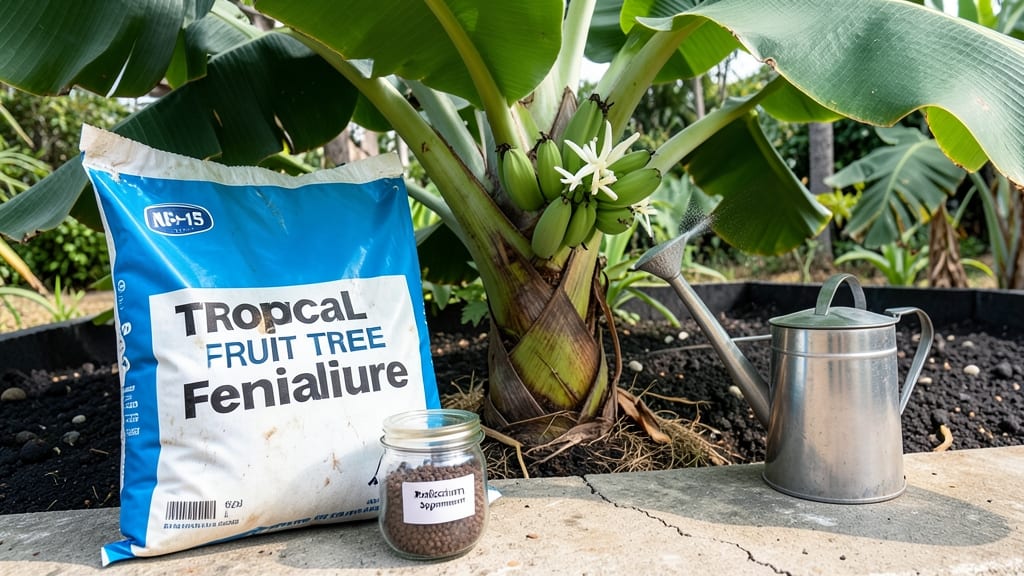
Your banana tree refuses to fruit because it’s missing just one key ingredient—consistent care that mimics its tropical home. 🌿 I’ve watched mine go from stubborn leafy stalks to heavy bunch producers by focusing on three critical factors: the right variety, precise pollination, and a nutrient schedule that doesn’t just feed leaves but fruit development.
The difference between a decorative plant and a fruiting powerhouse often comes down to these overlooked details.
Start with a dwarf Cavendish or Red Dacca—these varieties fruit reliably in containers or warm climates. Then, pay attention to sunlight: 8+ hours of direct light daily triggers flowering. Most homegrown failures happen because growers treat banana trees like ornamentals, not fruit producers.
Once your plant hits 3-4 feet tall, it’s ready for the next critical step: hand-pollination with a soft brush to transfer pollen between blooms.
By mid-summer, you’ll see those iconic banana hands forming, but here’s the secret weapon: a fertilizer shift. Switch to a low-nitrogen, high-potassium blend (like 5-10-10) once flowers appear.
This tells the plant, “Grow fruit, not more leaves.” Within 8-12 weeks, you’ll harvest bunches that outshine grocery store imports—sweeter, firmer, and packed with tropical flavor—all from your backyard.
Works in USDA Zones 10-11 year-round, or in containers moved indoors during winter. Even in cooler climates, a sunny greenhouse or bright garage can extend the season.
The key is patience: banana trees take 12-18 months from planting to first fruit, but once they start, they’ll keep producing with the right care.
📚 In This Guide
- What you need
- Instructions
- Tips and common mistakes
- Wrapping up and next steps
What you need
- ● Banana tree (Musa spp.) – Choose a dwarf Cavendish (Musa acuminata) or Lady Finger (Musa acuminata 'Dwarf') for home growing; ensure it’s at least 2-3 years old and healthy.
- ● Well-draining potting mix – A blend of 60% peat moss or coconut coir, 30% perlite or coarse sand, and 10% compost (for container plants). For in-ground planting, amend soil with aged compost or organic matter.
- ○ Balanced fertilizer (10-10-10 or 20-20-20) – 1-2 lbs per 100 sq ft of soil or 1 tbsp per gallon of water for containers. Optional: Slow-release fertilizer like Osmocote for steady nutrients.
- ● Phosphorus-rich fertilizer (e.g., bone meal or 5-10-10) – ½ cup per tree at planting or during flowering to boost fruit development.
- ● Potassium supplement (e.g., wood ash or potassium sulfate) – 1 tbsp per gallon of water monthly during fruiting season.
- ● Watering can or hose with adjustable nozzle – Banana trees need 1-2 inches of water weekly (more in hot climates).
- ● Pruning tools – Sharp bypass pruners (for small branches) and loppers (for thicker pseudostems). Sterilize with rubbing alcohol before use!
- ● Mulch (straw, pine needles, or wood chips) – 2-3 inches thick to retain moisture and regulate soil temperature.
- ● Support stake or bamboo poles – 4-6 ft tall to tie heavy fruit bunches and prevent stem damage.
- ○ Hand pollination tools (optional but helpful) – Soft paintbrush or cotton swab to transfer pollen if your tree lacks natural pollinators.
- ● Warm climate – Banana trees thrive in USDA Zones 10-12 or temperatures between 70-90°F (21-32°C). For cooler climates: Grow in large containers (15+ gallons) and move indoors during winter.
- ● Full sun exposure – 6+ hours of direct sunlight daily. Partial shade (3-4 hours) is acceptable in hotter regions.
- ● High humidity (50%+) – Mist leaves or use a humidifier if indoor growing. Mist in the morning to avoid fungal issues.
- ● Wind protection – Young trees or heavy fruit bunches may need windbreaks (e.g., burlap screens or mesh netting).
- ● 🌱 Test your soil – Aim for a pH of 5.5-7.0. Adjust with lime (to raise pH) or sulfur (to lower pH) if needed.
- ● 🍌 Monitor for pests – Watch for aphids, banana weevils, or spider mites. Use neem oil or insecticidal soap as needed.
- ● ✨ Repot every 2-3 years – If growing in containers, upgrade to a larger pot (1-2 sizes up) to accommodate root growth.
Step-by-step guide to encouraging fruit on your banana tree
Here’s how to coax those coveted banana bunches from your plant using science-backed care.
☀️ Step 1: Maximize Sunlight and Temperature
Banana trees thrive in full sun—at least 8-12 hours daily—and warmth (ideally 75-85°F). If your tree isn’t fruiting, it’s likely underlit or too cool. Move it to a south-facing window or under grow lights if indoors. Outdoor trees need shelter from strong winds and frost protection—even a single freeze will kill flower buds.
Watch for yellowing leaves or stunted growth—these are red flags. A thermometer helps track temperature swings. If nights dip below 60°F, use a heat lamp or move the plant indoors temporarily. The goal is to mimic tropical conditions year-round.
💧 Step 2: Water Deeply and Consistently
Banana trees need 1-2 inches of water weekly, but drainage is critical. Overwatering causes root rot, which prevents flowering. Use a moisture meter to check soil—water when the top 6 inches feel dry. Let excess water drain completely from the pot or ground.
In drought-prone areas, mulch heavily (3-4 inches) to retain moisture. If leaves curl or droop, it’s a sign of stress—adjust watering immediately. Avoid wetting the leaves to prevent fungal diseases like black sigatoka, which weakens the plant’s energy reserves.
🌱 Step 3: Fertilize for Flowering and Fruit Development
Use a balanced, slow-release fertilizer (10-10-10 or 8-3-9) every 4-6 weeks during growing season. Switch to a high-potassium formula (like 5-10-15) once flower stalks appear to support fruit growth. Apply fertilizer only to moist soil to avoid burning roots.
Banana trees are heavy feeders, but over-fertilizing causes salt buildup in soil. Flush the soil with water monthly to prevent toxicity. You’ll know it’s working when new leaves emerge dark green and glossy—a sign of strong, healthy growth.
✂️ Step 4: Prune Strategically to Encourage Flowering
Remove dead or yellow leaves to redirect energy to fruit production. Cut back overly leggy growth to a strong joint—this encourages bushier, more productive growth. Avoid heavy pruning in winter, as the plant needs reserves for spring flowering.
If your tree produces only male flowers (tall, skinny stalks with no fruit), it’s likely stressed or underfed. Male flowers signal the plant isn’t ready for fruiting. Boost care immediately—more sun, balanced fertilizer, and consistent water will shift energy toward female (fruit-bearing) flowers.
⏰ Step 5: Monitor and Support Flowering Stalks
When a flower stalk (pseudostem) emerges, protect it from wind—use a stake or trellis if needed. Banana flowers are heavy, and breaking stalks waste energy. Once flowers appear, hand-pollinate by gently shaking the stalk to release pollen (or use a small brush).
Watch for brown tips or wilting on flower clusters—this means low humidity. Mist the flowers daily or place a humidity tray nearby. A successful pollination will show as tiny green bananas forming within 4-6 weeks. If they drop off, the tree may need more potassium or better drainage.
Tips & tricks for encouraging banana tree fruit production
Here's what nobody tells you about getting your banana tree to bear fruit—these are the details that separate a struggling plant from a heavy-fruiting powerhouse.
Lighting Strategy: The 8-12 hours of sunlight requirement isn't just about quantity—it's about quality. Position your banana tree where it gets morning sun (which is less intense) and afternoon shade if you're in a hot climate. I've seen trees in full afternoon sun get sunburned leaves that actually prevent flowering. For indoor growers, LED grow lights with a full spectrum (especially red and blue wavelengths) work better than standard bulbs for encouraging flowering.
Temperature Fine-Tuning: While 75-85°F is ideal, the nighttime temperature is what really triggers flowering. If your nights drop below 60°F, you're basically telling your banana tree it's winter. I keep mine near a heat source during cool nights and notice a dramatic difference in flower stalk production. A simple ceramic heat emitter placed a few feet away does the trick without drying out the air.
Watering Wisdom: The 1-2 inches weekly guideline works for established trees, but young plants or those in their first fruiting cycle need more frequent watering—about 2-3 inches weekly. The key is to water deeply but infrequently. I use the "drip test" method: when water runs out the bottom of the pot without pooling, that's your cue to stop. Overwatering is the #1 reason banana trees refuse to flower, so don't skimp on drainage.
Fertilizer Transition: Switching to high-potassium fertilizer once flower stalks appear is crucial, but timing matters. I start the transition when I see the first signs of a flower bud forming (usually a slight swelling at the base of the plant). The potassium helps develop those heavy banana bunches, but too early and you'll get lush foliage with no fruit. Think of it as the plant's "fruit development phase" rather than just "growth phase."
Pro Tips for Get Banana Tree To Fruit
- Here's what nobody tells you about getting your banana tree to bear fruit—these are the details that separate a struggling plant from a heavy-fruiting powerhouse.
- Lighting Strategy: The 8-12 hours of sunlight requirement isn't just about quantity—it's about quality.
- Temperature Fine-Tuning: While 75-85°F is ideal, the nighttime temperature is what really triggers flowering.
Frequently asked questions
Got questions about coaxing fruit from your banana tree? You’re not alone—growing bananas can feel like a puzzle! Below, we’ve tackled the most common questions to help you troubleshoot, time things right, and maximize your harvest.
Why isn’t my banana tree flowering after a year?
Banana trees often take 12–18 months to mature enough for flowering, especially dwarf varieties. If your plant is young (<3 feet tall), focus on care (sun, water, fertilizer) instead of forcing fruit. Patience pays off—healthy growth = future blooms! For older trees, check for proper pruning and nutrient balance.
How long does it take for a banana tree to bear fruit after flowering?
Once you spot the flower spike (bract), count 90–120 days until ripe fruit appears. Harvest when the peel turns yellow with brown speckles—they won’t ripen further off the tree! Cold snaps or pests can delay this, so protect your tree during sensitive stages.
Can I force a banana tree to fruit indoors or in a pot?
Yes, but with big limitations. Dwarf varieties (like ‘Dwarf Cavendish’) adapt best to containers. Use a 15–20 gallon pot, full sun, and a high-potassium fertilizer to encourage blooming. Expect smaller yields—outdoor trees thrive better. Pro tip: Rotate pots seasonally for even sunlight exposure!
My banana tree has leaves but no fruit—what’s wrong?
No fruit could mean one of these issues:
- Lack of sunlight: Bananas need 6+ hours of direct sun daily. Move to a sunnier spot or supplement with grow lights.
- Nutrient deficiency: Yellowing leaves? Test soil for potassium (K) and magnesium (Mg). Use a balanced fertilizer (e.g., 10-10-10) every 4–6 weeks.
- Stress: Overwatering, pests (like aphids), or sudden temperature drops can stall flowering. Inspect leaves and adjust care.
If the tree is healthy but just young, wait—some varieties bloom only once before dying (monocarpic), while others (like ‘Ice Cream’ banana) rebloom.
Can I grow bananas year-round, or do they need a dormant season?
Banana trees love warmth and can fruit year-round in USDA Zones 10–11. In cooler climates (Zones 8–9), protect them with mulch, row covers, or containers you can move indoors. Key trick: Mimic tropical conditions—keep soil consistently moist (not soggy) and avoid temps below 50°F (10°C). Some growers use greenhouses for off-season harvests!
Bonus: How do I know if my banana tree is male or female?
Most homegrown bananas are hermaphroditic (both male and female parts), but if you’re growing plantains or cooking bananas, you might see separate sexes. Male flowers have longer, drooping spikes with no fruit. Female flowers produce tight clusters (hands) of bananas. If your tree flowers but no fruit forms, it might be male—try a different variety!
Wrapping up and next steps
Growing bananas at home is a rewarding journey, and with patience and the right care, your tree will produce those sweet, luscious bunches! 🍌🌱 The key lies in providing optimal conditions—whether it’s proper sunlight, balanced fertilization, or strategic pruning—while troubleshooting common issues like pests or nutrient deficiencies.
Now that you’re armed with these tricks, watch your banana tree thrive and fruit like a pro!
Ready to take the next step? Monitor your tree’s progress and adjust care as needed—soon, you’ll be harvesting your own homegrown bananas! 🌟