
Flowers
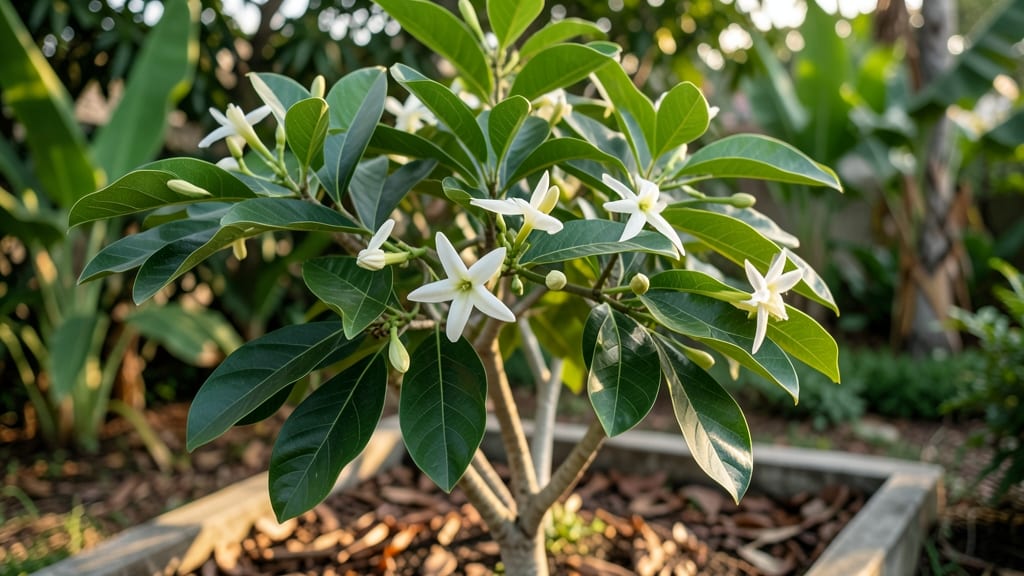
The moment you spot those delicate star fruit tree flowers, you know summer’s harvest is just around the corner. 🌸 Their sweet, citrusy fragrance fills the air like nature’s promise—each bloom holds the potential for those star-shaped fruits you love.
But getting them to flower reliably takes a few key tricks, especially if your tree has been shy before.
First, star fruit trees thrive in full sun and well-draining soil, but they’re picky about water—too much can drown the roots, while too little stresses the plant.
I’ve found that a balanced fertilizer (rich in phosphorus) in early spring kickstarts flowering, and pruning old wood in late winter encourages new growth where blooms form. The real magic happens when you time it right: flowers appear in spring or early summer, depending on your climate.
Once those blossoms open, you’ll want to protect them from pests like fruit flies and ants, which can ruin the fruit before it sets. A light spray of neem oil keeps them at bay without harming pollinators.
With the right care, your tree can produce hundreds of flowers, and if pollination goes well, you’ll be harvesting fruit in 6-8 months. The first taste of homegrown star fruit is worth every effort.
Even in cooler climates, star fruit trees can flower if given enough warmth and protection. Just be patient—some varieties take 2-3 years to mature enough for heavy fruiting. The key is consistency: water deeply but infrequently, fertilize seasonally, and prune to keep the tree open for airflow.
Before you know it, your backyard will smell like a tropical paradise, and your kitchen will be stocked with fresh, tangy star fruit.
📚 In This Guide
- What you need
- Instructions
- Tips and common mistakes
- Wrapping up and next steps
What you need
- ● Star fruit tree (Averrhoa carambola): Seedlings (1-3, depending on space) or grafted saplings (for faster fruiting)
- ○ Young trees (3-5 years old) for immediate blooms (optional)
- ● Well-draining soil mix: 50% loamy garden soil (pH 5.5–7.0)
- ● 30% compost or aged manure (for nutrients)
- ● 20% perlite or coarse sand (to prevent root rot)
- ● Container or planting site: For containers: 15–20 gallon pots with drainage holes (1 per tree)
- ● For ground planting: Full sun (6+ hours/day) in warm climates (USDA Zones 10–11)
- ● Basic gardening tools: Trowel or shovel (for transplanting)
- ● Pruning shears (sterilized with rubbing alcohol)
- ● Gloves (to protect from sap)
- ○ Optional but helpful: Moisture meter (to monitor soil hydration)
- ● Mulch (straw or wood chips, 2–3 inches thick)
- ● Slow-release fertilizer (10-10-10 NPK ratio, 1 lb per tree)
- ● Temperature: Star fruit trees thrive in 70–90°F (21–32°C); avoid frost (<32°F/0°C kills blooms/fruit).
- ● Humidity: Prefers 60–80% humidity; mist young trees in dry climates.
- ● Watering setup: Drip irrigation or soaker hose (to keep roots moist but not waterlogged)
- ● Watering can (for containers)
- ○ Pollination assistance (optional): Hand-pollinate flowers with a soft brush (if bees are scarce)
How to identify and care for star fruit tree flowers
Those delicate, fragrant white blooms mean fruit is coming—here’s how to nurture them for a bountiful harvest.
🌿 Step 1: Recognize the Flowers and Their Growth Stage
The star fruit tree (Averrhoa carambola) produces clusters of small, five-petaled white flowers with a sweet, citrusy fragrance that fills the air at dawn. Each flower has a distinctive star shape and delicate yellow stamens that release pollen. These blooms appear on new growth, typically after the tree has established itself in warm climates with temperatures above 60°F.
Watch for clusters forming at the leaf axils—these are the sites where fruit will develop if pollination succeeds. The flowers are short-lived, lasting only 24-48 hours, so timing is critical for fruit set. I always check my tree in early morning when the blooms are freshest and most fragrant, signaling peak pollinator activity.
☀️ Step 2: Ensure Optimal Conditions for Blooming and Pollination
Star fruit trees thrive in full sun (6-8 hours daily) and well-draining soil with a pH of 5.5-6.5. If your tree isn’t flowering, check its light exposure—shade reduces blooming. I’ve found that trees in USDA zones 10-11 produce the most consistent flowers, but container-grown trees in cooler zones can bloom if given winter protection.
Pollination is key—hand-pollinate if bees are scarce. Use a small paintbrush to transfer pollen from stamen to stigma in the morning when flowers are open. This mimics natural pollination and increases fruit set. Water deeply once a week during dry spells, but avoid wetting the flowers themselves to prevent fungal issues.
🌱 Step 3: Support Fruit Development After Blooming
Once flowers fade, small green fruits begin forming. This is when consistent care becomes crucial. Prune lightly to improve air circulation—removing crowded branches reduces disease risk and helps fruits grow larger. I prune in late winter or early spring, cutting back 1/3 of the oldest growth to encourage new, productive branches.
Fertilize lightly with a balanced 10-10-10 formula every 6-8 weeks during the growing season. Over-fertilizing can lead to excessive leaf growth at the expense of fruit. Watch for signs of stress—yellowing leaves often mean too much nitrogen, while stunted growth may indicate phosphorus or potassium deficiency.
⏰ Step 4: Monitor for Pests and Diseases
Star fruit trees are generally low-maintenance, but watch for scale insects or aphids on new growth and flowers. I treat infestations early with neem oil spray, applying it in the evening when bees are less active. Fungal issues like anthracnose can appear if flowers stay wet—prune for airflow and avoid overhead watering.
Harvest is typically 4-6 months after flowering, when fruits turn golden-yellow and develop the signature star shape when sliced. Wait until they’re firm but slightly soft to the touch—they’ll ripen further off the tree. Store harvested fruit in the fridge for up to 2 weeks to preserve freshness.
Tips & tricks for perfect star fruit tree flower care
Here's what I've learned after watching my own star fruit tree transform from a struggling sapling to a fruit-bearing powerhouse.
Timing is Everything: Those 24-48 hours when flowers are open are your only chance for successful pollination. I set a reminder on my phone to check the tree every morning during bloom season—this ensures I don't miss the window. The citrusy fragrance is your best indicator that flowers are ready for pollination, but don't rely on scent alone. I've found that flowers open most fully between 6-8 AM, which is why hand-pollination works best in the morning light.
Light Exposure Secret: If your tree isn't flowering, the first thing to check is its light exposure. Star fruit trees need that full 6-8 hours of direct sun daily to trigger blooming. I've had to move my container-grown tree three times before finding the perfect sunny spot. In cooler climates, consider using a grow light for 4-6 hours daily during winter months—this mimics the long daylight hours of tropical zones 10-11 where these trees naturally thrive.
Pollination Technique: When hand-pollinating, I always use a soft makeup brush rather than fingers—it's gentler on the delicate flowers and more effective at transferring pollen. Focus on the yellow stamens at the center of each flower. I've found that pollinating every other flower in a cluster gives the tree more energy to develop fruit rather than trying to set fruit on every single bloom. This also helps prevent overburdening the tree, which can lead to smaller, less flavorful fruit.
Fertilizer Strategy: That balanced 10-10-10 formula is perfect, but timing matters just as much as the ratio. I apply my first fertilizer dose right after pruning in late winter, then every 6-8 weeks through early fall. The key is to stop fertilizing about 8 weeks before your expected harvest time—this allows the tree to focus its energy on fruit development rather than new leaf growth. I've noticed that trees fertilized too late in the season often produce fruit that ripens unevenly.
Pro Tips for Star Fruit Tree Flowers
- Here's what I've learned after watching my own star fruit tree transform from a struggling sapling to a fruit-bearing...
- Timing is Everything: Those 24-48 hours when flowers are open are your only chance for successful pollination. I set ...
- Light Exposure Secret: If your tree isn't flowering, the first thing to check is its light exposure. Star fruit trees...
Frequently asked questions
Got questions about those stunning star fruit tree flowers? You’re not alone! Here are some of the most common queries—plus quick, practical answers to help you grow with confidence.
When do star fruit tree flowers bloom, and how long does it take for fruit to appear?
Star fruit trees (Averrhoa carambola) typically bloom year-round in tropical climates, with peak flowering in spring or summer. After pollination, fruit takes 3–6 months to ripen—so patience is key! If flowers drop without fruiting, check for pollinators (like bees) or hand-pollinate with a soft brush.
Why aren’t my star fruit tree flowers turning into fruit?
Several factors can cause poor fruiting:
- Lack of pollination: Star fruit relies on cross-pollination. If you have only one tree, introduce another nearby or pollinate flowers manually.
- Temperature stress: Flowers drop if temps dip below 50°F (10°C) or exceed 95°F (35°C).
- Nutrient deficiencies: Yellowing leaves? Boost potassium and phosphorus with a balanced fertilizer.
- Over-pruning: Heavy trimming can reduce flowering. Prune lightly to encourage blooms.
Can I grow star fruit trees from flowers or seeds? What’s the best method?
While you can grow star fruit from seeds (they’re free!), the fruit may not match the parent tree’s quality. For reliable results, propagate via:
- Air layering: Wrap a branch’s wound with moist moss and plastic, then cut and plant once roots form.
- Grafting: Faster and more consistent (best for commercial growers).
- Cuttings: Use semi-hardwood cuttings in spring with rooting hormone.
Do star fruit tree flowers attract bees or other pollinators?
Star fruit flowers are a magnet for bees, butterflies, and hummingbirds—their fragrant, white blooms are a pollinator’s dream. To boost pollination:
- Plant bee-friendly flowers nearby (like lavender or sunflowers).
- Avoid pesticides during bloom time.
- Hand-pollinate if pollinators are scarce (gently shake branches or use a paintbrush).
How do I protect star fruit flowers from frost or extreme heat?
Star fruit trees thrive in tropical/warm climates (USDA zones 10–11). To shield flowers from damage:
- Frost: Cover young trees with frost cloth or move potted trees indoors. Mulch the base to insulate roots.
- Heat waves: Provide afternoon shade (use shade cloth) and water deeply at the soil level to cool roots.
- Wind: Use windbreaks or stake trees to prevent flower damage.
Wrapping up and next steps
Watching star fruit tree flowers bloom is like witnessing nature’s promise of sweet rewards to come! 🌸 These fragrant blossoms aren’t just beautiful—they’re a clear sign that juicy, star-shaped fruits are on their way.
Whether you’re a seasoned gardener or just starting your tropical journey, nurturing these delicate blooms can lead to a bountiful harvest.
Ready to turn your backyard into a star fruit paradise? Start by planting a tree or caring for the one you already have—your future harvest (and neighbors’ compliments!) will thank you. 🌱